For many in the UK, a comfortable home environment is often challenged by persistent allergies. From the ubiquitous dust mite to seasonal pollen and pet dander, allergens can significantly impact indoor air quality and overall well-being. This is where the strategic choice of home essentials, particularly flooring, becomes crucial. Hypoallergenic mats offer a targeted solution, acting as a crucial barrier against common irritants and helping to transform your living space into an allergy-proof sanctuary.
This comprehensive guide delves into the science, selection, and care of hypoallergenic mats, empowering UK homeowners to make informed decisions for a healthier home.
1. Decoding Hypoallergenic Mats: What Makes Them Allergy-Friendly?
The term “hypoallergenic” often appears on product labels, but what does it truly signify for mats? It’s more than just a marketing buzzword; it refers to products designed to significantly minimise the risk of allergic reactions by reducing the presence or spread of common allergens and irritants.
Defining “Hypoallergenic”: More Than Just a Buzzword
When applied to mats, “hypoallergenic” means the materials and construction are inherently less likely to attract, trap, or release allergens such as dust mites, pet dander, pollen, and mould spores. This isn’t about being 100% allergen-free, but about creating an environment hostile to these irritants and making them easier to remove. Key characteristics often include:
-
- Low-shedding fibres: Minimises the release of microscopic particles into the air.
- Tightly woven construction: Prevents allergens from settling deep within the mat.
- Materials naturally resistant to dust mites and mould: Discourages their proliferation.
- Free from irritating chemicals: Avoids Volatile Organic Compounds (VOCs) that can trigger chemical sensitivities.
How These Mats Trap & Neutralise Allergens Effectively
Hypoallergenic mats primarily work as a protective barrier. Their design aims to:
- Trap surface allergens: At entryways, they capture dirt, pollen, and other particles from shoes and paws, preventing them from being tracked further into the home.
- Deter allergen colonisation: Unlike traditional carpets with deep piles that provide an ideal habitat for dust mites, hypoallergenic mats use materials and weaves that offer less refuge.
- Facilitate easy removal: Their structure ensures that any trapped allergens remain close to the surface, making them simple to remove through regular vacuuming or wiping, rather than embedding deep within the fibres.
The Science Behind Their Design: Minimising Irritants
The effectiveness of hypoallergenic mats is rooted in material science and intelligent construction. Synthetic fibres like polypropylene are chosen for their non-porous nature, which resists moisture and thus inhibits mould growth and makes it difficult for dust mites to thrive. Natural options like wool, while fibrous, possess lanolin and a unique fibre structure that naturally deters dust mites and wicks away moisture. The emphasis is always on creating a surface that is both efficient at capturing external allergens and inherently resistant to fostering indoor allergens.
2. The UK Allergy Challenge: Why Hypoallergenic Mats Are Essential for British Homes
The UK’s climate and urban environment present unique challenges for allergy sufferers. Understanding these local factors highlights precisely why hypoallergenic mats are not just a luxury, but an essential component of an allergy-proof British home.
Common UK Allergens: Dust Mites, Pet Dander, Pollen, Mould
British homes are breeding grounds for several common allergens:
- Dust Mites: Thrive in warm, humid conditions, feeding on dead skin cells. The average UK home provides ample opportunity for them in bedding, upholstery, and carpets.
- Pet Dander: Microscopic flakes of skin, saliva, and urine from pets. Even if you don’t own pets, dander can be carried into your home on clothing.
- Pollen: Seasonal pollen from trees, grasses, and weeds enters homes through open windows, on clothing, and even pets, particularly during spring and summer.
- Mould: Favours damp, poorly ventilated areas – a common issue in many UK properties, especially older homes. Mould spores are a potent allergen.
The Damp UK Climate & Its Impact on Allergen Proliferation
The UK is renowned for its damp climate, which unfortunately creates ideal conditions for several allergens:
- High Humidity: Persistent dampness and humidity levels, particularly in autumn and winter, accelerate the growth of mould and provide the moisture dust mites need to flourish.
- Ventilation Challenges: Many older British homes lack adequate modern ventilation, trapping humid air indoors and exacerbating allergen issues.
- Rainfall: Frequent rain means more moisture tracked indoors, creating damp spots where mould can develop and dust mites can thrive.
Creating a Localised Barrier for Healthier Indoor Air Quality
Hypoallergenic mats act as a critical localised barrier. Strategically placed, they can:
- Intercept outdoor allergens: At entryways, they capture pollen, mud, and other outdoor debris, preventing it from spreading throughout your home.
- Reduce indoor allergen load: By trapping pet dander, dust, and other particles in specific areas, they prevent these allergens from becoming airborne and circulating through your indoor air.
- Control moisture: Mats with moisture-resistant properties help manage dampness, especially near doors and in utility areas, thereby hindering mould growth.
By understanding the specific allergen threats posed by the UK environment, it becomes clear why investing in effective, easy-to-clean hypoallergenic mats is a fundamental step towards creating a healthier and more comfortable living space. Consider starting your journey to an allergy-proof home by exploring durable and effective hypoallergenic door mats that create a first line of defence.
3. Choosing Your Allergen Barrier: Top Hypoallergenic Mat Materials
Selecting the right material is paramount for an effective hypoallergenic mat. Each offers distinct advantages and considerations, allowing you to tailor your choice to specific needs and areas within your UK home.
Naturally Resilient: Wool-Based Mats
Wool mats, known for their luxurious feel, also possess remarkable hypoallergenic properties.
- Benefits: Wool is a natural fibre that is naturally flame-resistant, durable, and breathable. Its unique fibre structure and lanolin content make it inherently resistant to dust mites, mould, and mildew. It also effectively wicks away moisture, further deterring allergen growth, and does not off-gas harmful VOCs. Its natural crimp traps dust and allergens close to the surface for easy vacuuming.
- Considerations: Wool mats can be more expensive than synthetic alternatives. They require specific care, often needing professional cleaning or gentle, wool-specific washing to maintain their integrity.
Durable & Easy Care: Polypropylene (Olefin) Solutions
Polypropylene, a synthetic fibre, is an excellent choice for high-traffic areas and homes seeking low-maintenance solutions.
- Benefits: This material is inherently stain-resistant, water-resistant, and highly durable. Being synthetic, it doesn’t provide a food source for dust mites, making it an excellent hypoallergenic option. Its non-absorbent nature inhibits mould and mildew growth, and it’s generally very easy to clean and maintain, often simply requiring wiping or a quick rinse. Polypropylene mats are also typically more affordable.
- Considerations: While durable, polypropylene may not offer the same luxurious feel as natural fibres. Its production is less eco-friendly than natural alternatives, and some textures can feel less soft underfoot.
Sustainable Style: Sisal and Jute Natural Fibres
For an eco-conscious and naturally textured aesthetic, sisal and jute offer robust hypoallergenic benefits.
- Benefits: These plant-based natural fibres are sustainable, biodegradable, and bring an organic texture to your home. Their firm, tight weave makes it difficult for dust mites and allergens to penetrate deep into the fibres, keeping them on the surface for easy removal. They are also naturally free from many synthetic chemicals.
- Considerations: Sisal and jute are sensitive to water and can stain or warp if exposed to excessive moisture, making them less suitable for bathrooms or very damp entryways. They can also shed a small amount of fibre initially and may feel rougher than other materials.
The Surprising Ally: Cowhide Mats for Allergy Sufferers
Cowhide, often overlooked, can be a surprisingly effective choice for allergy sufferers due to its unique characteristics.
- Benefits: Genuine cowhide rugs have a very low pile (the hair-on-hide is not a traditional fibre pile) that does not trap dust, dirt, or dust mites like conventional carpets. They are exceptionally easy to clean – a simple wipe-down with a damp cloth or vacuuming with a hard floor attachment removes surface allergens efficiently. Cowhide is also naturally durable and resistant to common allergens.
- Considerations: Sourcing is important to ensure ethical and sustainable practices. The unique aesthetic might not suit every decor style, and larger hides can be a significant investment.
Hypoallergenic Mat Materials: A Quick Comparison
| Material | Key Benefits | Considerations | Ideal Use |
|---|---|---|---|
| Wool | Natural, breathable, durable, naturally deters dust mites & mould, wicks moisture, no VOCs. | Higher cost, requires specific care (professional cleaning), can be heavier. | Living areas, bedrooms (where comfort is key). |
| Polypropylene (Olefin) | Stain-resistant, water-resistant, highly durable, low cost, easy to clean, no food source for dust mites. | Less luxurious feel, not as eco-friendly as natural fibres, can feel less soft. | Entryways, kitchens, bathrooms, high-traffic zones. |
| Sisal & Jute | Sustainable, biodegradable, organic texture, tight weave deters allergens, chemical-free. | Sensitive to water (stains/warps), can shed initially, rougher texture, less suitable for damp areas. | Low-humidity areas, living rooms, studies, adding natural texture. |
| Cowhide | Very low pile (hair-on-hide), doesn’t trap dust/mites, exceptionally easy to clean (wipe/vacuum), durable. | Unique aesthetic might not suit all decors, ethical sourcing, significant investment for larger hides. | Feature areas, living rooms, studies, adding unique style. |
4. Smart Selection: Essential Features for Effective Hypoallergenic Mats
Beyond the material, specific design features enhance a mat’s ability to combat allergens. Prioritising these ensures your hypoallergenic mat provides maximum protection for your UK home.
Minimise Traps: The Power of Low Pile Height
One of the most crucial features of an allergy-friendly mat is its pile height.
- Why short fibres deter allergens: Mats with a low pile (short fibres or flat weave) provide significantly fewer hiding spots for dust mites, pet dander, pollen, and general dust. In contrast, deep-pile carpets are ideal habitats for these allergens, making them difficult to remove entirely. A low pile keeps allergens closer to the surface, making them easily accessible for vacuuming or wiping.
Lock Out Dust: Tight Weave Construction Benefits
Complementing a low pile, the weave of the mat also plays a vital role.
- Preventing debris from settling deep within: A tightly woven construction ensures that even microscopic particles struggle to penetrate deep into the mat’s core. This means that allergens are trapped on or very near the surface, preventing them from becoming embedded and making routine cleaning far more effective. Looser weaves allow allergens to sink and accumulate, rendering surface cleaning less impactful.
Secure & Safe: Natural Rubber Backing Advantages
The backing of your mat is often overlooked but is critical for both safety and hygiene.
- Non-slip and prevents moisture penetration: A natural rubber backing serves multiple purposes. Firstly, it provides a crucial non-slip grip, preventing slips and falls on hard floors. Secondly, and particularly important for allergy prevention in the UK’s damp climate, a solid rubber backing creates a barrier against moisture. This prevents water from seeping through the mat and dampening the floor beneath, effectively inhibiting the growth of mould and mildew under the mat. It also acts as an additional barrier, preventing any allergens that might settle below the mat from seeping back up. (Note: If you have a latex allergy, ensure the rubber is natural or choose an alternative non-slip backing.)
Combat Damp: Moisture Resistance for UK Climates
Given the prevalence of dampness in UK homes, moisture resistance is a non-negotiable feature.
- Preventing mould and mildew growth: Materials that repel water or dry quickly are essential. Polypropylene, for instance, is highly moisture-resistant, making it ideal for entryways, kitchens, and bathrooms. Even natural fibres like wool have moisture-wicking properties that can help. By actively resisting moisture, these mats prevent the damp conditions that allow mould and mildew to flourish, thus reducing a significant source of allergens.
Verified Protection: Why Certifications Matter
For ultimate peace of mind, look for recognised certifications.
- Looking for recognised allergen-friendly labels: Certifications from reputable organisations, such as Allergy UK’s Seal of Approval, indicate that a product has been scientifically tested and proven to reduce exposure to allergens or is suitable for allergy sufferers. These labels assure you that the mat meets stringent standards for allergen reduction, chemical content (e.g., low VOCs), and ease of cleaning, providing an extra layer of confidence in your choice.
5. Strategic Placement: Maximising Protection Across Your UK Home
The effectiveness of hypoallergenic mats is significantly enhanced by their thoughtful placement. By strategically positioning these mats, you can create effective allergen barriers and maintain cleaner zones throughout your UK home.
Entryways: Your First Line of Defence
This is arguably the most critical area for hypoallergenic mat placement.
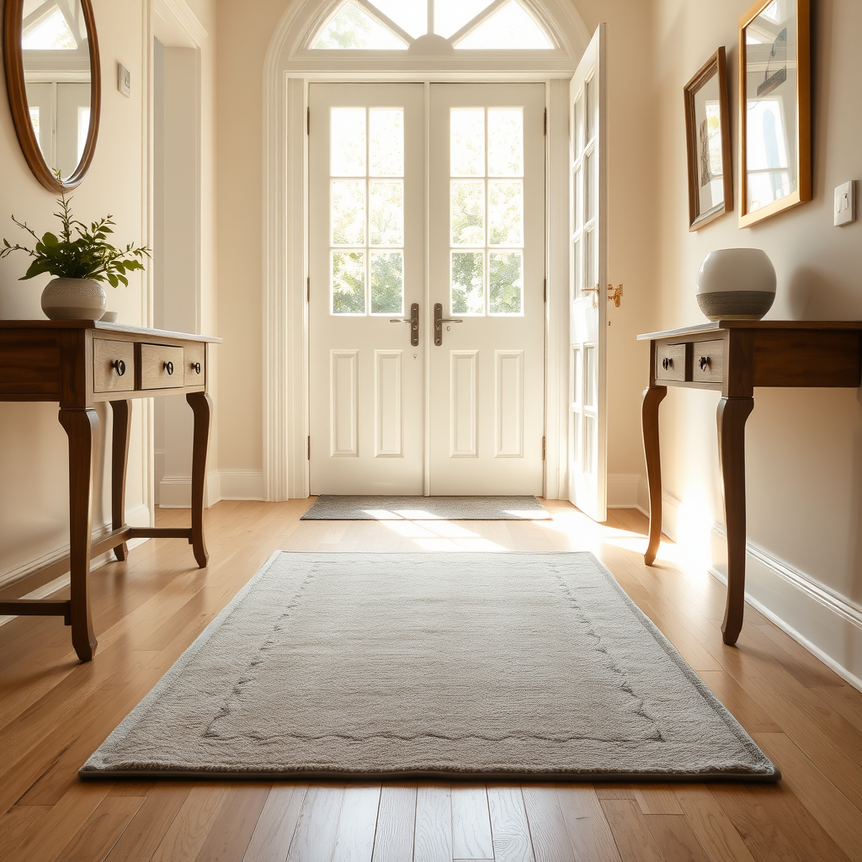
- Stopping allergens at the door: Placing robust hypoallergenic door mats both outside and just inside all entry points (front door, back door, patio doors) prevents a vast amount of outdoor allergens – pollen, mud, dust, and pet dander – from being tracked into your living spaces. Look for durable, easily cleanable materials like polypropylene with a tight weave and good scraping ability.
Living Areas: Creating Clean Zones
Living rooms are high-traffic areas where families spend considerable time, making them prime spots for allergen accumulation.
- Reducing common area allergen build-up: Place low-pile, easily cleanable hypoallergenic rugs or mats in central living areas and under furniture where people gather. These help to capture dust and dander that settles from the air or is brought in on clothing, preventing it from recirculating and creating a cleaner atmosphere where you relax.
Bedrooms: For a Restful, Allergy-Free Sleep
Given that we spend roughly a third of our lives in bedrooms, minimising allergens here is paramount for allergy sufferers.
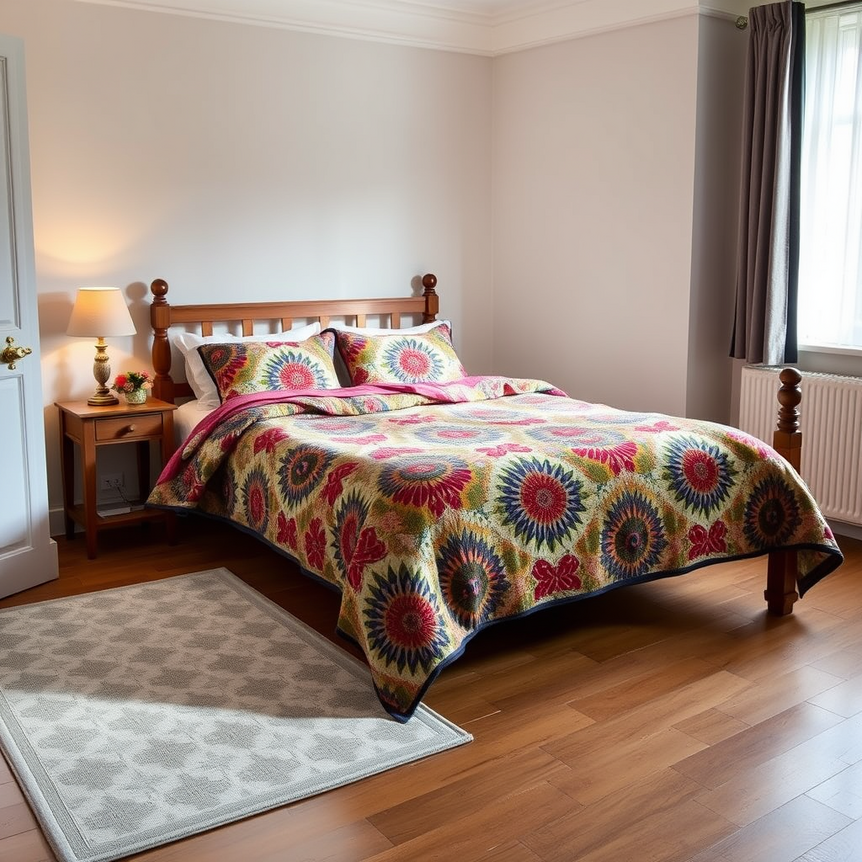
- Minimising exposure where it matters most: Position small, easy-to-wash hypoallergenic mats beside the bed. These can capture allergens that settle during the night or are transferred from your feet. Opt for materials that can withstand frequent washing or vacuuming, such as low-pile wool or polypropylene, to ensure a consistently clean sleeping environment.
Kitchens & Bathrooms: Tackling Humidity-Related Allergens
These rooms are hotbeds for humidity and potential mould growth, requiring specific types of hypoallergenic mats.
- Materials suitable for damp environments: In kitchens and bathrooms, focus on mats made from materials that are highly moisture-resistant and anti-microbial. Polypropylene is an excellent choice due to its water-repellent nature, quick-drying properties, and resistance to mould and mildew. Ensure mats in these areas have a secure, moisture-impermeable backing (like rubber) to protect the underlying flooring and prevent water from pooling.
6. Maintaining Your Allergen-Free Haven: Care Tips for UK Conditions
The effectiveness of hypoallergenic mats hinges on consistent and correct maintenance. In the UK’s often damp climate, specific care routines are crucial to ensure your mats continue to trap and deter allergens effectively.
Regular Cleaning Rituals: Vacuuming Techniques for Allergy Sufferers
Frequent and thorough cleaning is your primary defence.
- Vacuuming Techniques for Allergy Sufferers: Aim to vacuum your hypoallergenic mats at least 2-3 times a week, especially in high-traffic areas or homes with pets. Use a vacuum cleaner equipped with a HEPA (High-Efficiency Particulate Air) filter to ensure that allergens are trapped, not recirculated into the air. Vacuum slowly and deliberately, going over the same area multiple times in different directions to dislodge and remove embedded particles effectively. Always empty the vacuum cleaner bag or canister outside to avoid releasing trapped allergens back into your home.
Deep Cleaning Schedules: Tackling Persistent Allergens
While regular vacuuming is essential, periodic deep cleaning is also necessary.
- Tackling Persistent Allergens: Depending on the mat material and traffic, plan for a deeper clean every few months. This might involve steam cleaning (if suitable for the mat material, as steam can kill dust mites), professional mat cleaning services, or using appropriate cleaning solutions for spot treatments. Always patch test any cleaning product in an inconspicuous area first.
Dealing with Damp: Preventing Mould and Mildew in the UK Climate
The UK’s damp climate makes mats vulnerable to mould and mildew if not managed correctly.
- Preventing Mould and Mildew in the UK Climate: Never put a damp mat back on the floor. Ensure mats are completely dry after any cleaning, spills, or if they’ve been exposed to moisture. Regularly check under mats, especially those in kitchens, bathrooms, or entryways, for any signs of moisture or condensation. Good ventilation in your home (opening windows, using extractor fans) is crucial to control overall humidity levels, which in turn helps prevent mould and mildew on and under your mats.
Product-Specific Care: Extending the Life of Your Hypoallergenic Mats
Always refer to the manufacturer’s care instructions for your specific mat.
- Extending the Life of Your Hypoallergenic Mats: Different materials require different care. Wool mats may need gentle, wool-specific detergents and careful drying to prevent shrinking. Polypropylene mats are generally more robust and can often be hosed down or spot-cleaned with mild soap and water. Natural fibres like sisal or jute are often sensitive to water and may require dry cleaning or very specific spot treatment methods. Adhering to these instructions will not only keep your mats looking good but also ensure they continue to perform their allergen-fighting function effectively.
7. Beyond the Mat: Holistic Strategies for an Allergy-Proof UK Home
While hypoallergenic mats are a powerful tool, creating a truly allergy-proof UK home requires a multi-faceted approach. Integrating mats with other control strategies will yield the best results for allergy sufferers.
Air Filtration Systems: HEPA Filters for Comprehensive Protection
Invest in a good quality air purifier with a HEPA filter for key living areas and bedrooms. These systems can capture airborne allergens that escape your mats, such as pollen, pet dander, and dust mite faeces, significantly improving overall indoor air quality. Also, ensure your vacuum cleaner uses a HEPA filter to prevent redistributing allergens during cleaning.
Dust Mite Control: Bedding, Covers, and Humidity Management
Dust mites are a major allergen in the UK. Encase mattresses, pillows, and duvets in allergen-proof covers. Wash bedding weekly at 60°C or higher to kill dust mites. Keep indoor humidity levels below 50% using a dehumidifier, as dust mites thrive in moist environments.
Pet Dander Solutions: Grooming, Cleaning, and Restricted Areas
If you have pets, regular grooming (ideally outdoors) can reduce dander shedding. Wash pet bedding frequently. Consider designating ‘no-pet’ zones, particularly bedrooms, to limit allergen spread. Frequent vacuuming of upholstery and floors (with a HEPA filter) is essential.
Ventilation Practices: Improving Airflow in Your UK Home
Poor ventilation contributes to dampness and traps allergens. Open windows for 10-15 minutes daily, even in colder weather, to exchange indoor air with fresh outdoor air. Use extractor fans in kitchens and bathrooms to remove moisture and odours effectively. Consider trickle vents or professional ventilation solutions for persistent damp issues.
Professional Cleaning Services: When to Call in the Experts
For deep cleaning of extensive carpets, upholstery, or curtains, professional services can be invaluable. They have industrial-strength equipment and cleaning solutions capable of removing deep-seated allergens that routine cleaning might miss. Schedule these periodically, especially if allergy symptoms are severe or after renovations.
By combining the strategic use and proper maintenance of hypoallergenic mats with these broader holistic strategies, you can significantly reduce the allergen burden in your UK home, leading to improved comfort and well-being for all residents.
Frequently Asked Questions (FAQ)
Q1: What does “hypoallergenic” really mean for a mat?
A1: For a mat, “hypoallergenic” means it’s designed to minimise the presence, accumulation, and release of common allergens like dust mites, pet dander, and mould spores. It typically features low-shedding fibres, a tight weave, and materials that are resistant to allergens, making it easier to clean and maintain.
Q2: Are natural fibre mats always hypoallergenic?
A2: Not all natural fibre mats are inherently hypoallergenic, but some, like wool, are excellent choices. Wool’s natural structure and lanolin content deter dust mites and resist moisture. Sisal and jute, with their tight weaves, also work well. However, very plush natural fibre rugs can still trap allergens if not maintained properly. Always check for specific hypoallergenic properties and care instructions.
Q3: How often should I clean my hypoallergenic mat?
A3: For optimal allergen control, vacuum your hypoallergenic mats at least 2-3 times a week, particularly in high-traffic areas or if you have pets. Deep cleaning may be necessary every few months, depending on the material and usage. Always refer to the manufacturer’s care guidelines.
Q4: Can a mat really make a difference to my allergies?
A4: Yes, a well-chosen and properly maintained hypoallergenic mat can make a significant difference. By acting as a barrier at entryways, trapping allergens in specific zones, and providing an easy-to-clean surface, these mats help reduce the overall allergen load in your home, leading to improved indoor air quality and reduced allergy symptoms.
Q5: Where are the best places to put hypoallergenic mats?
A5: Strategically placing hypoallergenic mats can maximise their effectiveness. Key locations include:
- Entryways: Inside and outside all doors to trap outdoor allergens. Consider hypoallergenic door mats from RugStars.
- Living Areas: In high-traffic zones to capture dust and dander.
- Bedrooms: Beside beds to minimise allergens where you sleep.
- Kitchens & Bathrooms: Moisture-resistant options to combat humidity-related allergens.