When choosing extra deep fitted sheets for your bed, the fabric can significantly influence comfort, durability, maintenance, and overall value. This expert guide unpacks the key differences between cotton and microfibre extra deep fitted sheets, helping UK shoppers make informed decisions tailored to their sleep needs and lifestyle. Understanding these crucial fabric distinctions ensures you select the perfect bed linen to complement your mattress and enhance your sleep experience.
Understanding Extra Deep Fitted Sheets: What Makes Them Different?
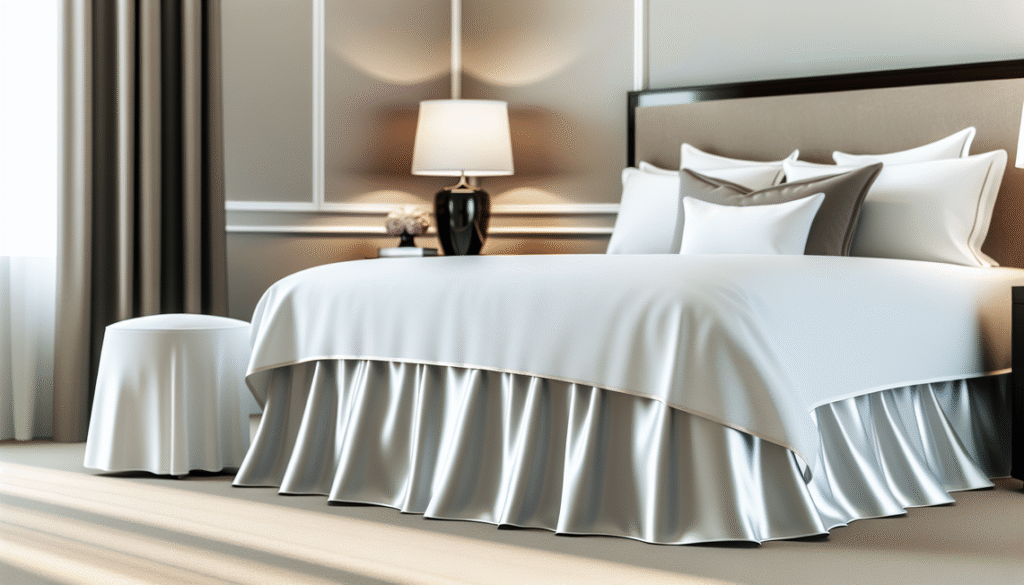
Extra deep fitted sheets are specifically engineered to accommodate mattresses with increased thickness, often exceeding 30cm (approximately 12 inches) in depth. Standard fitted sheets typically fit mattresses up to 25cm, but with the rising popularity of luxurious memory foam, pillow-top, and hybrid mattresses, as well as the use of mattress toppers in UK homes, a deeper pocket is essential. These specialised sheets prevent slipping, riding up, and ensure a smooth, snug fit that preserves the neatness and comfort of your bed, night after night.
For deep pocket sheets, fabric choice is paramount. It directly affects the sheet’s stretchability, breathability, durability, and ease of care. The right bedding fabric ensures your extra deep fitted sheet stays securely in place on thick mattresses while delivering optimal comfort and longevity.
Cotton vs Microfibre: Key Fabric Characteristics Explained
What Is Cotton?
Cotton is a natural fibre harvested from the cotton plant. It is universally prized for its exceptional softness, inherent breathability, and superior moisture-absorbing qualities. Cotton fibres are typically thicker and more robust, making cotton sheets breathable and comfortable year-round. Varieties such as Egyptian cotton and Pima cotton are known for their long, luxurious fibres, which result in incredibly soft, durable, and lustrous bed linen, often associated with a higher thread count and premium feel. Organic cotton offers an environmentally friendlier option, grown without harmful pesticides.
What Is Microfibre?
Microfibre is a synthetic fabric predominantly made from ultra-fine polyester or nylon fibres. It is ingeniously engineered to be lightweight, incredibly tightly woven, and exceptionally durable. Microfibre sheets often boast a distinctly smooth, almost silky texture and are highly resistant to wrinkles and shrinking, creating a sleek, easy-care bedding option that maintains its appearance with minimal effort.
Breathability and Airflow
Cotton truly excels in breathability, featuring natural fibres that allow significantly better air circulation. This enables effective moisture-wicking, drawing sweat away from the body to support a cooler and drier sleeping environment. Conversely, microfibre, with its dense, tightly woven synthetic structure, is less breathable. While it dries quickly, it can tend to trap heat, which might be a consideration for hot sleepers or warmer seasons in the UK.
Texture and Feel
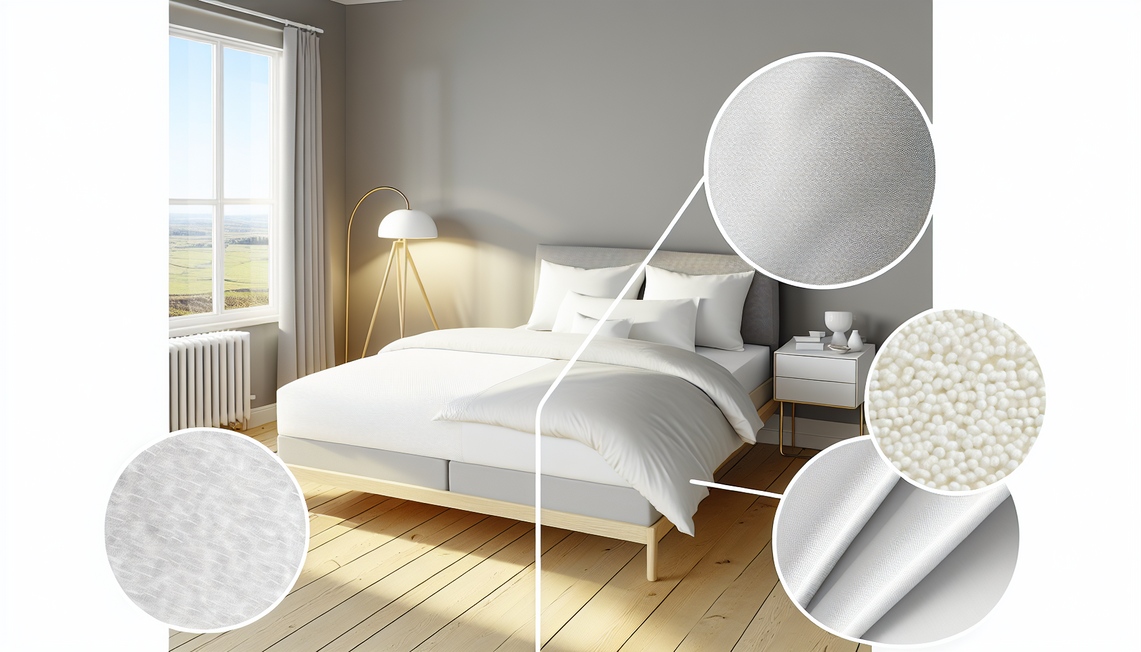
Cotton offers a natural, soft feel that often improves with each wash, becoming more supple and inviting over time. Its texture can range from crisp percale to buttery-soft sateen, offering a variety of sensory experiences. Microfibre, on the other hand, presents a distinctively silky, smooth, and sometimes almost slippery feel. While it’s soft to the touch, some users may find it feels less natural or luxurious than cotton.
Weave, Construction, and Durability
Microfibre is generally known for its superior resistance to wear and tear, pilling, and shrinkage. Its tightly woven fibres contribute to its impressive durability and ability to maintain shape and colour through numerous washes. Cotton’s durability largely depends on its fibre length and weave quality (e.g., percale, sateen, twill). Higher quality, long-staple cottons are very durable, but lower quality cotton can be more prone to wrinkling, pilling, and losing its shape over time if not cared for properly.
Durability and Maintenance: Which Fabric Stands Up Over Time?
Wear Resistance and Lifespan
When comparing cotton vs microfibre fitted sheets, microfibre extra deep fitted sheets often outperform cotton in terms of their resistance to pilling, fading, and shrinkage. Their synthetic composition and tight weave help them maintain their shape and vibrant colour for longer periods, making them an excellent choice for busy households or frequently used beds. Cotton, particularly higher-quality types like Egyptian or Pima cotton, can also offer a long lifespan, often improving with age. However, lower-grade cottons may show signs of wear, such as thinning or pilling, more quickly if not meticulously cared for.
Care Tips for Longevity
Cotton: For optimal care of your cotton deep fitted sheets, wash them in cold or warm water with a mild, colour-safe detergent. Avoid harsh bleach, which can weaken natural fibres. Tumble dry on a low to medium heat setting to minimise shrinkage and wrinkles. Ironing may be required on a medium heat setting if you prefer a crisp, pristine finish for your bed linen.
Microfibre: Microfibre extra deep fitted sheets are celebrated for their low maintenance. Machine wash them in cold to warm water; excessive heat can damage the synthetic fibres. Low heat drying is preferred, and air drying is also an excellent option. Ironing is generally unnecessary due to microfibre’s inherent wrinkle-resistant properties, saving you time and effort.
Expert Insight on Maintenance
For typical UK home use, microfibre’s impressive resilience and ease of care make it a practical choice for busy households seeking durable, no-fuss bedding. Cotton, on the other hand, appeals to those who prioritise natural fibres, sensory comfort, and are willing to invest a little more time in its specific care to preserve its luxurious feel and appearance.
Comfort and Temperature Regulation: Sleep Experience Factors
Breathability and Moisture Wicking
Cotton’s natural fibres provide superior airflow, acting as a natural thermostat. This allows for excellent breathability and effective moisture-wicking, absorbing sweat and promoting a fresher, cooler sleeping environment, particularly beneficial during warmer UK nights. Microfibre, with its dense weave, excels at quick-drying, but its synthetic composition means it can be less effective at wicking away moisture and can sometimes trap heat against the body, potentially leading to a warmer sleep experience.
Temperature Control for All Seasons
Cotton sheets are widely recommended for all seasons in the UK due to their remarkable temperature-balancing properties. They feel cool and crisp in summer and provide a comfortable layer of warmth in winter. Microfibre, due to its heat-retentive qualities, is often preferred for cooler months, offering a cosy feel. However, advancements in textile technology have led to some modern microfibre blends are engineered with enhanced breathability to improve comfort in milder temperatures.
Customer & Expert Feedback on Comfort
Many users consistently praise cotton’s ultimate comfort and coolness during warmer months, often describing it as crisp and breathable. Sleep experts frequently recommend cotton for allergy sufferers due to its natural, hypoallergenic properties and for hot sleepers who require better airflow. Microfibre is highly valued for its incredibly soft, smooth texture and its low-maintenance durability, offering a different kind of comfort that is often more budget-friendly.
Cost, Value, and Environmental Considerations for UK Shoppers
Price Comparison
Microfibre extra deep fitted sheets generally offer a more accessible price point upfront compared to cotton. This makes them an economical and popular choice for budget-conscious UK shoppers. For instance, a quality microfibre deep fitted sheet might start from around £15-£25. Premium cotton sheets, especially those made from organic, Egyptian, or Pima cotton with higher thread counts, command higher prices, often ranging from £30-£80 or more for a single extra deep fitted sheet, reflecting their superior fibre quality and craftsmanship.
Long-Term Value and Investment
While cotton sheets require a higher initial investment, they can be a worthwhile long-term investment for their luxurious natural feel, breathability, and impressive longevity when properly cared for. High-quality cotton often improves with age, becoming softer over time. Microfibre’s durability and ease of care, combined with its lower purchase price, can also provide excellent long-term value by reducing the frequency of replacements, making it a cost-effective choice for many households.
Environmental Impact
The environmental footprint of bedding choices is an increasingly important factor for UK consumers. Cotton, as a renewable natural fibre, is biodegradable. However, conventional cotton farming can have a significant environmental impact due to high water consumption and the extensive use of pesticides. Opting for organic cotton, certified by standards like GOTS (Global Organic Textile Standard), can significantly mitigate these concerns. Microfibre production, on the other hand, relies on petrochemicals, a non-renewable resource. A major environmental concern with microfibre is its contribution to microplastic pollution; synthetic fibres shed tiny plastic particles during washing, which can enter UK waterways and marine ecosystems. Choosing microfibre made from recycled materials or considering natural alternatives like organic cotton can help mitigate this impact.
Best Use Cases: Which Fabric Fits Your Needs?
| Scenario | Best Fabric Choice | Why It Matters |
|---|---|---|
| Prioritise natural, breathable feel | Cotton (organic preferred) | Offers superior airflow and natural softness for ultimate comfort. |
| Need easy-care, wrinkle-resistant | Microfibre | Holds its shape, resists wrinkles, and is simple to wash and dry. |
| Hot summer sleeper or night sweats | Cotton | Excellent moisture-wicking and breathability for a cool, dry sleep. |
| Budget-conscious or student households | Microfibre | Affordable upfront cost with good durability and minimal fuss. |
| Allergy sensitivity or sensitive skin | Cotton (hypoallergenic varieties) | Natural fibres are less likely to irritate and reduce dust mite accumulation. |
| Busy households needing durability | Microfibre | Resistant to pilling, fading, and frequent washing without losing quality. |
| Desire a luxurious, crisp feel | High-quality Cotton (e.g., Percale) | Provides that classic, hotel-like crispness that improves with use. |
| Seeking a silky smooth, lightweight feel | Microfibre | Known for its exceptionally soft and smooth texture. |
Frequently Asked Questions about Cotton and Microfibre Fitted Sheets
Are extra deep fitted sheets available in both cotton and microfibre?
Yes, absolutely! UK retailers, including RugStars, offer an extensive selection of extra deep fitted sheets made from both natural cotton and synthetic microfibre. This ensures you can find the perfect fit and fabric preference for your specific mattress depth and comfort requirements.
Can microfibre sheets cause overheating during summer?
Due to its dense, tightly woven structure, microfibre can sometimes retain more heat than breathable cotton. This means some sleepers may find microfibre sheets less comfortable during particularly warm weather or for those who tend to sleep hot. However, many modern microfibre blends are engineered with improved breathability to address this concern.
How do I care for extra deep fitted sheets to extend their lifespan?
To maximise the lifespan of your deep fitted sheets, always follow the manufacturer’s washing instructions precisely. Generally, this involves using cool wash cycles, gentle detergents (especially for cotton), avoiding harsh chemicals or bleach, and tumble drying on a low heat setting. Proper care helps prevent shrinkage, pilling, and maintains fabric integrity.
Which material is best for allergy sufferers?
Cotton, especially organic or specifically labelled hypoallergenic types, is generally preferred for allergy sufferers. Its natural fibres and superior breathability reduce the build-up of dust mites and allergens, providing a healthier sleep environment. Microfibre, while synthetic, can also be a good option if tightly woven as it may trap fewer allergens than looser weaves.
Are there sustainability concerns with microfibre sheets in the UK market?
Yes, there are valid environmental concerns regarding microfibre. Its production relies on petrochemicals, and during washing, microfibre sheets can shed tiny plastic particles (microplastics) that contribute to pollution in UK waterways and marine ecosystems. Choosing microfibre made from recycled materials or considering natural alternatives like organic cotton can help mitigate this environmental impact.
Conclusion
Choosing between cotton and microfibre for your extra deep fitted sheets ultimately depends on your personal priorities for comfort, durability, maintenance, and budget. Both fabrics offer distinct advantages for UK shoppers seeking quality bedding for their thick mattresses. For a premium selection of extra deep fitted sheets suited to your mattress depth and fabric preference, explore the comprehensive range at RugStars. Choose confidently to enjoy restful, comfortable nights tailored perfectly to your lifestyle.