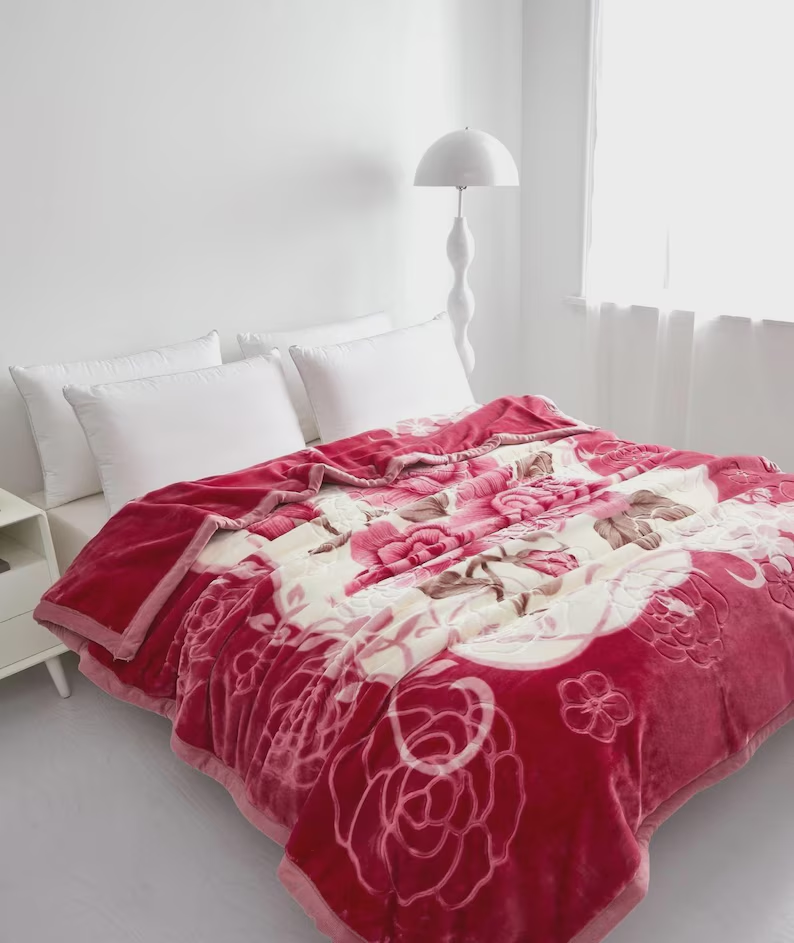
When the crisp air of a British winter sets in, and especially as Christmas approaches, there’s nothing quite like the embrace of a warm, comforting blanket. But not all blankets are created equal when it comes to tackling the unique challenges of the UK climate. Here, we delve into why heavyweight blankets are an essential investment for maintaining warmth, comfort, and even energy efficiency in your home, particularly during the festive season.
Conquering the Chill: Why Heavyweight Blankets are Essential for the UK Climate
The UK’s winter weather is often characterised by more than just cold temperatures; it’s the persistent dampness, biting winds, and frequent drafts that truly penetrate. Average December temperatures in much of the UK hover between 2-8°C, often accompanied by high humidity. This combination can make indoors feel colder than the thermometer suggests.
A truly heavyweight blanket goes beyond a simple cover. Its density and substantial feel are designed to combat persistent cold and drafts by creating a robust insulating layer. Unlike thinner throws, these blankets offer a tangible barrier against the chill, trapping warmth effectively. They are an indispensable tool for maintaining a comfortable living space, transforming a cold evening into a moment of pure, unadulterated cosiness. For those seeking reliable warmth against the quintessential British chill, investing in quality blankets for UK climate is a game-changer.
Beyond the Buzz: Heavyweight vs. Weighted Blankets – Understanding the Purpose
The terms “heavyweight” and “weighted” are often used interchangeably, but they serve distinct purposes. Understanding the difference is crucial for choosing the right blanket for your needs and ensuring you get the specific benefits you desire, especially for battling the British winter.
Heavyweight Blankets Explained
These blankets are designed purely for thermal warmth and insulation. Their “heaviness” comes from the density and quality of their materials, which are chosen for their ability to trap air and prevent heat loss. Think thick wool, dense fleece, or tightly woven cotton flannel. The primary goal of a heavyweight blanket is to keep you exceptionally warm and comfortable in cold environments, making them ideal for chilly UK homes.
Weighted Blankets Defined
In contrast, weighted blankets are designed for therapeutic benefits. They contain evenly distributed weights (often glass beads or plastic pellets) to provide deep pressure stimulation. This sensation can help calm the nervous system, reduce anxiety, and promote better sleep by mimicking a gentle hug. While they may offer some warmth due to their bulk, their primary function is not insulation, but rather the calming, grounding effect on the body. For the purpose of this article, which focuses on battling the cold, we’re concentrating on heavyweight blankets for warmth.
Choosing Your Comfort Goal
If your main goal is to stay warm and combat the cold, damp conditions prevalent in UK homes, a heavyweight blanket is your ideal choice. If you’re seeking to reduce anxiety or improve sleep through deep pressure, then a weighted blanket would be more suitable (though it won’t necessarily be as effective for thermal insulation).
To help clarify, here’s a quick comparison:
| Feature | Heavyweight Blanket | Weighted Blanket |
|---|---|---|
| Primary Purpose | Thermal warmth, insulation, combating cold | Deep pressure stimulation, anxiety reduction, better sleep |
| Source of Weight | Density of materials (wool, fleece, thick cotton) | Internal fillers (glass beads, plastic pellets) |
| Feel | Dense, cosy, insulating, luxurious | Grounding, calming, evenly pressured |
| Key Benefit | Keeps you warm in cold environments, reduces heating costs | Promotes relaxation and well-being, aids sleep |
| Focus for UK Climate | Excellent for keeping warm in damp, cold homes | Primarily therapeutic, secondary warmth |
Battling British Damp & Drafts: How Heavyweight Blankets Offer Superior Warmth
The UK’s prevalent dampness means that even moderate cold can feel particularly biting. Heavyweight blankets are exceptionally effective in these conditions, providing an indispensable layer of thermal insulation for true home comfort.
The Science of Warmth
Dense materials, like those found in quality heavyweight blankets, are expert at trapping tiny pockets of air. This trapped air acts as an insulator, creating a robust thermal barrier between you and the cold environment. In damp conditions, where moisture can draw heat away from the body more quickly, this insulating layer becomes even more crucial, preventing heat loss and keeping you feeling warmer for longer. This natural insulation is key to staying toasty.
Optimising for UK Homes
Many UK homes, particularly older properties, can suffer from variable indoor temperatures and stubborn drafts. Placing a heavyweight blanket on your sofa, armchair, or even at the foot of your bed provides an immediate zone of warmth, effectively neutralising cold spots and offering a personal haven against the chill. They are also perfect for bundling up when working or relaxing in a cooler room, providing targeted warmth that makes a significant difference to your comfort levels.
An Energy-Efficient Choice
By providing significant personal warmth, quality blankets can allow you to turn down your thermostat by a degree or two, especially during the day when you might be stationary. This small adjustment, when accumulated over the colder months, can lead to a noticeable reduction in heating bills, making a heavyweight blanket a smart, energy-efficient choice for any UK household looking to save money while staying warm.
The Fabric of Warmth: Best Materials & GSM for Your UK Heavyweight Blanket
The secret to a truly effective heavyweight blanket lies in its material and construction. When looking for the best blankets for UK climate, consider these options to ensure maximum warmth and durability.
Natural Wonders for Unparalleled Warmth
British Wool
Renowned for its superior insulation, breathability, and moisture-wicking properties. Wool can regulate temperature, keeping you warm without overheating, and its natural crimp traps air effectively. It’s also naturally durable, often fire-resistant, and a sustainable choice for lasting warmth in the UK’s damp climate.
High-Quality Cotton Flannel
A classic choice, cotton flannel is brushed on both sides to create a soft, fuzzy texture that excels at trapping air. It offers excellent warmth, a cosy feel, and is breathable, making it comfortable for extended use during chilly evenings.
Cashmere & Alpaca Blends
For luxurious warmth without excessive bulk, cashmere and alpaca blends are unparalleled. These fine fibres are incredibly soft, lightweight yet exceptionally warm, and offer excellent insulation properties, making them a premium option for ultimate comfort and sophistication.
Synthetic Solutions for Robust Warmth
Heavy-Gauge Fleece
Modern fleece blankets, particularly those with a higher pile or density, offer an excellent warmth-to-weight ratio. They are soft, quick-drying, and often very affordable, providing robust warmth that stands up to frequent use and washing.
Thermal Microfibre
These blankets are engineered for warmth, featuring ultra-fine synthetic fibres that create a dense, insulating fabric. They are typically very soft, durable, often hypoallergenic, and retain heat remarkably well, making them a practical and effective option for any UK home.
Understanding GSM (Grams Per Square Metre)
GSM is a crucial indicator of a fabric’s density and weight. For heavyweight blankets, a higher GSM generally signifies a thicker, denser, and therefore warmer blanket. When shopping for blankets for UK climate, pay attention to this metric:
- For throws and lightweight blankets, GSM might be around 200-300.
- For truly heavyweight blankets designed for warmth in the UK climate, look for a GSM of 350-500+ for materials like fleece or flannel.
For wool and other natural fibres, the overall weight (e.g., in kgs) is often a better indicator of density and warmth, with heavier options being warmer. A blanket weighing 2kg or more would typically be considered a substantial heavyweight option, perfect for British winters.
Cosy Christmas: Selecting Your Perfect Blanket for Festive Warmth & Style
The Christmas season is synonymous with warmth, comfort, and festive cheer. A heavyweight blanket can play a starring role in enhancing this atmosphere, making your home even more inviting and cosy during the most wonderful time of the year.
Embracing the Festive Season
Tailor your blanket choice to the holidays. Rich reds, forest greens, deep blues, or classic tartan patterns can instantly evoke a festive mood. Consider luxurious textures like faux fur or chunky knits for added indulgence and a touch of seasonal opulence. These festive blankets become a focal point of your Christmas decor.
Strategic Placement
During the holidays, strategically place your blankets in key areas. Drape them invitingly over sofas and armchairs in the living room, ready for cosy family movie nights or quiet evenings by the fire. A beautiful throw on a guest room bed offers a warm welcome to visitors. Don’t forget a blanket by the fireplace or under the Christmas tree for those magical moments of unwrapping presents and festive relaxation.
Styling for the Season
Blankets aren’t just for warmth; they’re also a vital element of festive decor. Choose colours and patterns that complement your existing Christmas decorations and home aesthetic. Layer different textures and weights for an inviting, opulent look that beckons you to snuggle in. A festive blanket can add a pop of colour, a touch of warmth, and an undeniable sense of cosiness to any seasonal display.
Gifting the Gift of Warmth
A high-quality heavyweight blanket makes an incredibly thoughtful and practical Christmas gift. It’s a present that signifies comfort, care, and cosiness, perfect for friends, family, new homeowners, or even as a housewarming gift during the colder months. Giving the gift of warmth is a gesture that truly resonates during winter.
Long-Lasting Warmth: Essential Care Tips for Blankets in the UK’s Damp Climate
The UK’s damp climate requires particular attention to blanket care to prevent mustiness, mildew, and to ensure your blanket remains soft, effective, and beautiful for years to come. Proper maintenance ensures your investment in warmth pays off season after season.
Humidity Hacks
After use, especially if the air is damp, air your blanket regularly. Hang it over a drying rack, bannister, or clothesline (on a dry, breezy day) to allow air circulation and prevent moisture build-up. Avoid leaving damp blankets bunched up for extended periods, as this can lead to mustiness. If machine washing, ensure your machine has an adequate spin cycle, and dry thoroughly – ideally outdoors on a dry day, or in a well-ventilated room, perhaps with the aid of a dehumidifier, to ensure no residual dampness.
Washing Wisdom
Always check the care label first, as instructions vary significantly by material. Following these guidelines is crucial for preserving your blanket’s integrity:
- Wool: Often requires hand washing in cool water with a wool-specific detergent or professional dry cleaning to prevent shrinking and maintain its natural fibres.
- Cotton Flannel & Microfibre/Fleece: Typically machine washable on a cool or warm gentle cycle. Avoid high heat in the dryer, as this can damage fibres, cause shrinking, or lead to pilling. Air drying is often best to preserve softness.
- Cashmere/Alpaca Blends: Usually dry clean only, or a very gentle hand wash with a specialist delicate detergent is recommended to protect these luxurious fibres.
Storage Solutions
When storing blankets during warmer months, ensure they are completely clean and dry before putting them away. Store them in breathable bags (cotton or linen) rather than sealed plastic, which can trap moisture and cause damage. Allow air circulation to prevent stale odours. Adding cedar balls or lavender sachets can deter moths and keep them smelling wonderfully fresh until the next cold snap.
Refreshing Your Blanket
To maintain softness and efficacy between washes, gentle shaking and airing can often revitalise a blanket. For synthetic blankets, a lint roller can effectively remove any surface pilling. For natural fibres, careful brushing can help restore the pile and fluffiness, keeping your blanket looking and feeling its best.
Your Ultimate Comfort Companion: Choosing the Right Heavyweight Blanket for UK Winters
Choosing the right heavyweight blanket is an investment in your comfort, warmth, and well-being, especially when navigating the unique climate of the UK. With thoughtful consideration, you can find a blanket that will become your go-to companion for many seasons to come.
Recap of Key Considerations
When making your decision, remember to consider these crucial factors for optimal satisfaction:
- Purpose: Are you seeking ultimate warmth and insulation (heavyweight) or therapeutic deep pressure benefits (weighted)? Be clear about your primary need.
- Material: Do you prefer natural fibres like wool for superior breathability and insulation, or synthetic options like fleece for durability, affordability, and easy care?
- GSM/Weight: Look for a higher GSM (350-500+) for synthetic blankets or a tangible weight (2kg+) for natural fibre blankets to indicate true density and warmth.
- Care Requirements: Ensure you are comfortable with the washing and drying instructions, which are particularly important in a damp climate to maintain hygiene and longevity.
- Style: Choose a blanket that not only provides warmth but also complements your home decor and enhances the cosy, inviting atmosphere you desire.
Making an Informed Decision
By understanding the distinctions between blanket types, the properties of different materials, and the importance of density indicators like GSM, you are empowered to select a blanket that perfectly meets your specific needs for warmth, comfort, and style in the British climate. Explore the extensive range of blankets available to find your ideal match and elevate your home comfort.
Embrace the Cosiness
A quality heavyweight blanket is more than just a textile; it’s an invitation to relax, unwind, and feel truly at home. Embrace the enhanced warmth and comfort it provides, turning every chilly evening, especially during the festive magic of Christmas, into a moment of perfect British cosiness and contentment.
Frequently Asked Questions (FAQ) about Heavyweight Blankets for UK Climate
Q1: What is the ideal GSM for a heavyweight blanket for the UK climate?
A1: For synthetic materials like fleece or microfibre, look for a GSM of 350-500+ for optimal warmth and density. For natural fibres like wool, the overall weight (e.g., 2kg or more) is often a better indicator of its heavyweight status and superior insulating properties.
Q2: Can a heavyweight blanket really help reduce my heating bills?
A2: Yes, by providing significant personal warmth and creating an effective insulating layer, a quality heavyweight blanket can allow you to turn down your thermostat by a degree or two. Especially when you’re relaxing, these small adjustments over the colder months can lead to noticeable energy savings and lower heating bills.
Q3: How do I prevent my blanket from smelling damp in the UK’s humid weather?
A3: To prevent mustiness, always ensure your blanket is completely dry after washing before storing it. Air it out regularly after use by hanging it in a well-ventilated area. Storing in breathable bags (not sealed plastic) with cedar balls or lavender sachets can also help keep it fresh and moth-free.
Q4: Are heavyweight blankets suitable for people with allergies?
A4: Many heavyweight blankets are made from hypoallergenic materials, such as specific thermal microfibre blends or treated wool. If you have allergies, carefully check the product description for hypoallergenic claims. Regular washing according to care instructions also significantly helps in keeping common allergens like dust mites at bay.
Q5: Can I use a heavyweight blanket on my bed instead of a duvet?
A5: While some very thick heavyweight blankets can offer substantial warmth, they are generally designed as an additional layer for warmth and comfort, often used over a duvet or as a primary cover for napping on a sofa or armchair. For a full night’s sleep, a duvet typically provides more consistent, body-encompassing warmth and is specifically designed for bedding.