In the heart of every well-styled British home lies a bedroom that perfectly balances comfort and elegance. Whether you’re nestled in a London flat, a countryside cottage, or a coastal townhouse, the finishing touches to your bed can transform your sleeping space from ordinary to extraordinary. But with so many bedding options available, how do you choose between the plush warmth of a comforter and the stylish flexibility of a throw? Understanding the key differences between these two essential bedroom elements is crucial for creating a space that’s both functional and fashionable.
In this comprehensive guide, we’ll explore the distinctive characteristics of each, helping you navigate the throws vs comforter debate to create a British bedroom that’s perfectly tailored to your lifestyle and the UK’s unique climate.
Understanding Your Bedding Essentials: Throws vs. Comforters Defined
Before diving into styling techniques, let’s clarify what we’re working with. The throws vs comforter conversation often causes confusion because both serve as bedding elements, yet they perform distinctly different roles in your bedroom.
What is a Bed Throw?
A bed throw is a smaller, versatile piece of fabric typically measuring between 130x160cm (50×60 inches) and 140x180cm (54×72 inches). Originating from the concept of “throwing” a light covering over oneself, these decorative pieces are designed primarily for aesthetic enhancement rather than primary bedding. They’re perfect for adding a splash of colour, texture, or pattern to your sleeping space.
- Smaller size: Generally too small to cover an entire bed, making them ideal for accentuating specific areas.
- Diverse materials: Often made from luxurious materials like wool, cashmere, fleece, knitted fabrics, or even faux fur, providing a wide range of textures and warmth levels.
- Aesthetic appeal: Available in a vast array of textures, patterns, and colours, allowing for easy room refreshes.
- Versatile use: Primarily used for decorative purposes with secondary warmth benefits, easily movable between rooms or draped over furniture.
- Lightweight: Their lighter weight makes them easy to handle and reposition.
What is a Comforter Blanket?
A comforter (often called a continental quilt in the UK, or more commonly a duvet) is a larger, thicker bedding piece designed to cover the entire bed. Measuring approximately 225x220cm (for a double) to 260x220cm (for a king size), comforters provide substantial warmth and form the main layer of your bed covering, crucial for those chilly British nights.
- Full bed coverage: Sized specifically for single, double, king, and super king beds, ensuring complete warmth and coverage.
- Insulating fill: Typically filled with down, synthetic fibres, or wool for superior insulation and comfort during sleep.
- Primary warmth: Designed primarily for warmth during sleep, serving as your bed’s essential cosy layer.
- Coordinated sets: Often comes as part of a coordinated bedding set, simplifying bedroom décor.
- Heavier weight: Significantly heavier and more voluminous than throws, providing a substantial feel.
Throws vs Comforter: Unpacking the Key Differences for UK Homes
Understanding the distinctions between these two bedding elements is essential for creating a bedroom that works perfectly for British living conditions and our often unpredictable climate.
Size & Coverage
This is the most practical difference in our throws vs comforter comparison. While a comforter is designed to cover your entire mattress (with some overhang), a throw is intentionally smaller – perfect for draping across the foot of the bed, folding over a chair, or wrapping around yourself for extra cosiness. In British homes where space can be limited, the compact nature of throws makes them particularly valuable for adding warmth and style without overwhelming smaller bedrooms. Comforters, on the other hand, deliver the substantial, all-encompassing coverage needed during colder UK months.
Purpose & Function
The throws vs comforter debate really comes down to purpose. Comforters exist first and foremost for warmth – they’re your primary defence against British winter chills. Made with insulating materials, they’re designed to keep you warm throughout the night, acting as the foundational layer of your sleeping comfort.
Throws, however, serve a dual purpose:
- Decorative element: Adding texture, colour, and personality to your bed or any seating area.
- Secondary warmth: Providing that easily adjustable extra layer when you’re sitting up in bed reading, during milder seasons, or just for a quick snuggle on the sofa.
As noted by interior designers, “A throw is the jewellery of your bedroom” – it’s the finishing touch that elevates your entire space and allows for seasonal aesthetic updates.
Materials & Textures
British consumers have particular preferences when it comes to bedding materials, influenced by our temperate climate and desire for both luxury and practicality:
Throws commonly feature:
- Soft wool (like merino or chunky knit), perfect for adding texture without excessive weight and offering natural breathability.
- Luxurious cashmere, ideal for premium throws that provide exquisite softness and warmth.
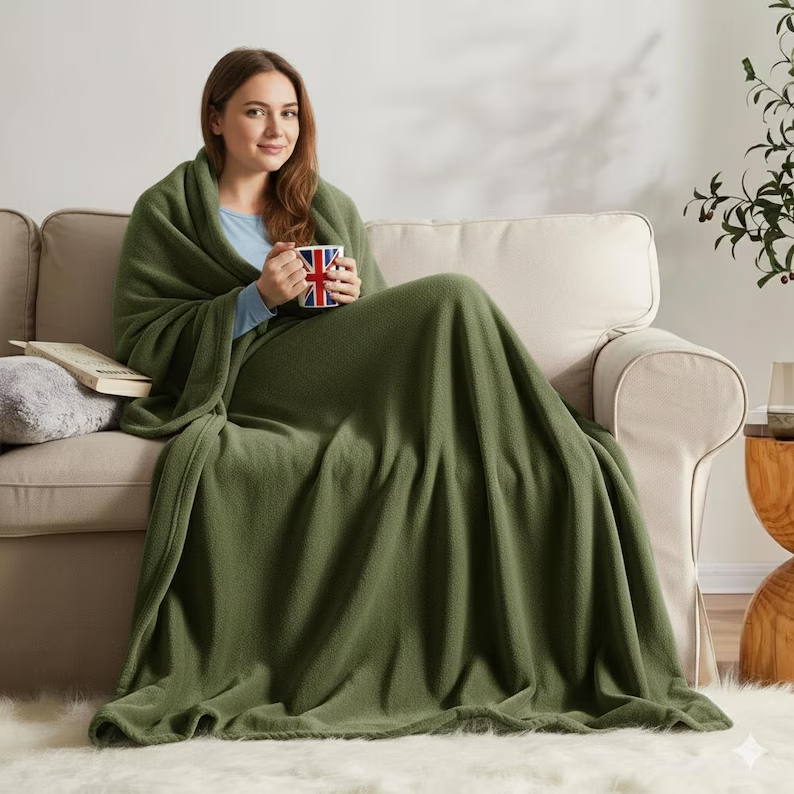
- Fleece, for practical warmth and easy care, a popular choice for cosy evenings.
- Knitted fabrics, adding visual interest and a handcrafted feel.
- Woven cotton or linen, for lighter, seasonal options perfect for spring and summer.
Comforters typically include:
- Down or feather fill, a traditional British preference for natural warmth and loft.
- Synthetic alternatives, offering hypoallergenic options with similar insulating properties.
- Wool batting, for natural temperature regulation and breathability, highly valued for its all-season comfort.
- Quilted cotton covers, for durability, breathability, and ease of maintenance.
The British Blanket Company reports that 68% of UK consumers prefer natural fibres for their main bedding, with increasing interest in sustainable materials like recycled wool and organic cotton.
Comparison Table: Throws vs Comforters
| Feature | Bed Throw | Comforter Blanket (Continental Quilt) |
|---|---|---|
| Size | Smaller (e.g., 130x160cm – 140x180cm) | Full bed coverage (e.g., 225x220cm for double) |
| Primary Purpose | Decorative accent, secondary warmth | Primary warmth, core bedding layer |
| Usage | Draped, folded, easily moved | Main bed covering, typically stationary |
| Materials | Wool, cashmere, fleece, knitted, faux fur, linen | Down, synthetic fibres, wool batting, cotton |
| Weight | Lighter | Heavier, voluminous |
| Care | Often machine washable at home | Often requires professional/commercial cleaning |
Mastering British Bedroom Aesthetics: Styling with Throws and Comforters
Now that we understand the fundamental differences in our throws vs comforter comparison, let’s explore how to use each effectively to enhance your British bedroom’s aesthetic and comfort.
Styling with Bed Throws
Throws are incredibly versatile for adding a touch of personality and warmth.
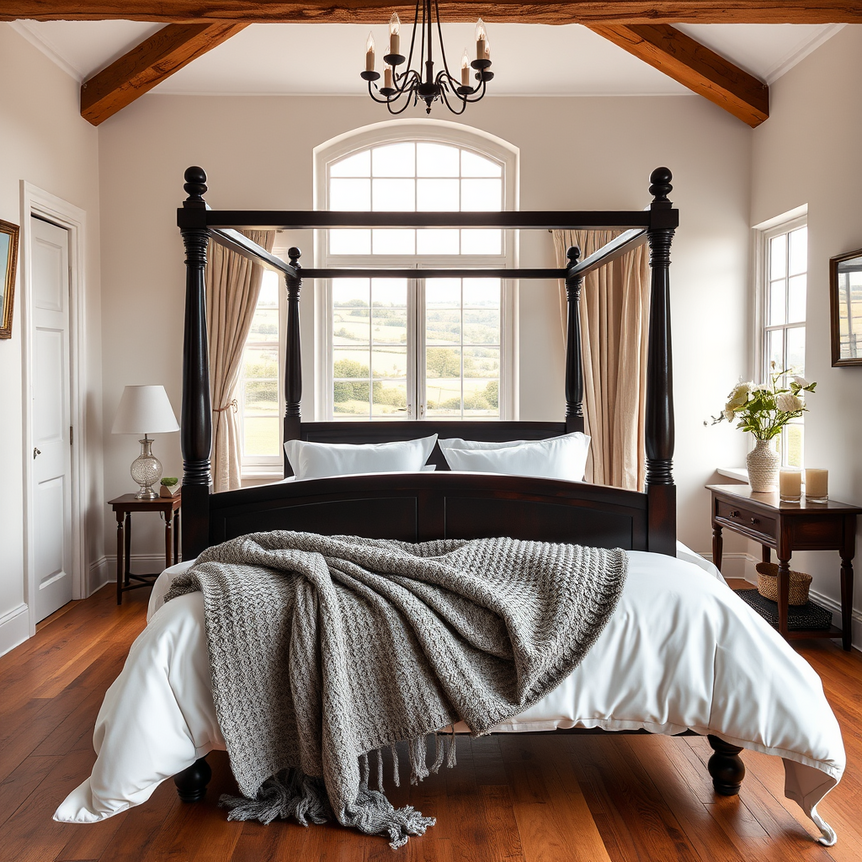
- The Foot-of-the-Bed Draping Technique:
- Fold your throw in half lengthwise.
- Drape it evenly across the foot of your bed, allowing 20-30cm to hang down each side.
- Choose a colour that either complements or subtly contrasts with your main bedding for visual interest.
- For British country homes, consider a tartan wool throw to evoke classic charm; for city apartments, a textured knit or faux fur works beautifully for a modern touch.
- The Casual Fold Method:
- Simply fold your throw in thirds and casually place it at the foot of the bed.
- This creates a relaxed, lived-in look popular in British boutique hotels and homes.
- Perfect for smaller bedrooms where neatness is essential but a relaxed feel is desired.
- The Chair Accent:
- Drape a throw elegantly over an armchair or dressing chair in your bedroom.
- This adds both style and functionality, providing a cosy option for those chilly mornings or evenings.
- Choose a washable material if you’ll be using it frequently for snuggling.
Styling with Comforter Blankets
Comforters form the central, comforting core of your bed, demanding careful placement.
- The Foundation Layer:
- Your comforter should sit atop your duvet cover (if using one) or directly on your bed, serving as the primary visual and tactile layer.
- Ensure it’s properly centred with an even overhang on all sides for a balanced look.
- For traditional British styling, allow 30-40cm of comforter to hang over the foot of the bed, creating a luxurious drop.
- Seasonal Swapping:
- Keep two comforters: one lighter weight for summer, and one heavier, warmer option for winter.
- British weather can change dramatically, so having options is essential for year-round comfort.
- Consider breathable materials like cotton for year-round use, which can then be layered with blankets or throws.
- The Hotel-Style Fold:
- Create a neat 20-30cm fold at the head or foot of the bed, folding the comforter back over itself.
- This practical British styling technique allows for easy access and maintains a pristine, neat appearance, particularly useful for guest rooms or a minimalist aesthetic.
Harmonising Your Layers: Combining Throws and Comforters for UK Climates
The most stylish British bedrooms don’t choose between throws vs comforter – they expertly combine both. Here’s how to achieve that perfect balance of warmth, comfort, and sophisticated design.
Layering Techniques
Mastering layering is key to creating a truly inviting British bedroom, adapting to diverse temperatures.
- The Classic British Layering:
- Start with quality sheets (cotton percale or linen are popular in the UK for their crisp feel and breathability).
- Add your duvet with its chosen cover as the main sleeping layer.
- Place your comforter on top, providing an additional layer of warmth and a visual anchor.
- Finish with a carefully draped throw at the foot of the bed, adding texture and an accent colour.
- Seasonal Adaptation:
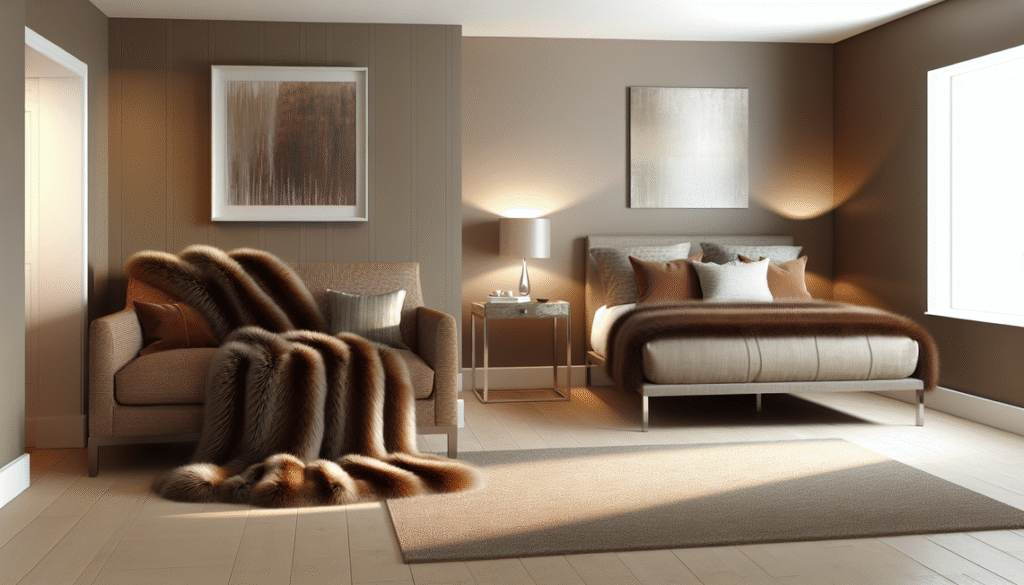
- Winter: Opt for a heavier comforter with a thick wool or faux fur throw for maximum warmth and cosiness.
- Summer: Use a lightweight comforter or duvet with a breathable cotton or linen throw for a fresh, airy feel.
- Shoulder seasons: A medium-weight comforter paired with a versatile knit throw allows for flexible warmth as temperatures fluctuate.
- Colour Coordination:
- Follow the 60-30-10 rule for balanced aesthetics: 60% dominant colour (sheets/duvet cover), 30% secondary colour (comforter), 10% accent colour (throw).
- For country cottages, earth tones work beautifully as a base with a bold-coloured throw to add a focal point.
- For city apartments, neutrals with a textured monochrome throw creates a sophisticated and contemporary look.
British Regional Nuances for Bedding Choices
When deciding between throws vs comforter for your specific British home, consider your regional climate:
- Scotland and Northern England: Prioritise warmth with heavier comforters and thick wool throws, given the colder, often damp conditions.
- London and Southeast: Balance style and function with medium-weight comforters and versatile throws, adapting to urban living and varying indoor temperatures.
- Coastal areas: Choose moisture-wicking and quick-drying materials that handle damp conditions well, preventing any musty smells.
- Period properties: Consider traditional materials like wool and natural fills that work well in older homes with less efficient heating, offering natural insulation and breathability.
A recent survey by the British Home Furnishings Association found that 74% of UK consumers change their bedding style seasonally, with throws being the most frequently swapped element due to their ease of change and cost-effectiveness.
Essential Care and Practicalities for Your UK Bedding
Ensuring the longevity and freshness of your bedding is crucial for maintaining a hygienic and inviting British bedroom.
Washing and Maintenance for Longevity
- Throws: Are generally easier to wash at home; most made from fleece, cotton, or some wool blends fit in standard UK washing machines. Always check the care label carefully.
- Comforters: Due to their size and fill, often require commercial machines or professional dry cleaning to maintain their loft and prevent damage. This is a key practical difference when comparing throws vs comforter care.
- Look for machine-washable options: Especially if you have children or pets, opting for easily washable throws and comforters can save time and money.
Smart Storage Solutions
- Off-season comforters: Store in breathable fabric bags or vacuum-seal bags to save space and protect against dust when not in use.
- Throws: Keep neatly folded in decorative baskets, on shelves, or draped over furniture for easy access and a stylish display.
- Natural pest repellent: Consider cedar storage for wool items to protect against moths, a common concern in UK homes.
Budgeting for Quality and Style
- Invest wisely: A quality comforter is an investment that will last for years (typically replaced every 5-7 years). Prioritise good insulation and durable casing.
- Seasonal updates: Update your bedroom’s look seasonally with more affordable throws. This allows for flexibility in style without a complete bedding overhaul.
- Mix and match: Combine high-end core pieces with high-street accents for balanced styling that looks luxurious without breaking the bank.
Crafting Your Perfect British Bedroom Sanctuary (and Where to Find the Best)
When it comes to styling your British bedroom, the question isn’t really about choosing between throws vs comforter, but rather understanding how to expertly use both to create your perfect sleeping sanctuary. Comforters provide the essential foundation of warmth and coverage that British weather demands, while throws offer the decorative flexibility to refresh your space without a complete bedroom overhaul.
The most successful British bedrooms feature a thoughtful combination of both elements – a quality comforter as the workhorse of your bedding, complemented by a carefully chosen throw that reflects your personal style and adapts to changing seasons. This synergy ensures both comfort and continuous aesthetic appeal.
Creating a beautifully styled British bedroom isn’t about following rigid rules, but understanding how different elements work together. By mastering the throws vs comforter relationship, you can craft a space that’s both functional for our changeable climate and aesthetically pleasing to your personal taste, making it a true haven.
Remember that the best-designed British bedrooms evolve with the seasons and reflect the unique character of their inhabitants. Whether you’re in a Georgian townhouse, a Victorian terrace, or a modern flat, the thoughtful combination of throws and comforters can transform your bedroom into a true sanctuary.
As you consider your next bedding update, think beyond the throws vs comforter debate – envision how these elements can work together to create a bedroom that’s uniquely yours, perfectly adapted to British living, and ready to welcome you after even the chilliest UK evening.
Ready to refresh your bedroom? Explore Rugstars’ collection of premium throws and comforter blankets designed specifically for British homes. From luxurious wool throws to beautifully crafted comforters, we have everything you need to create your dream bedroom. Visit Rugstars.co.uk to discover your perfect match.
Frequently Asked Questions about Throws vs Comforter Blankets
Here are some common questions about choosing and styling with throws and comforters for your British bedroom:
What is the main difference between a bed throw and a comforter blanket?
The primary difference lies in their size and purpose. A bed throw is a smaller, decorative accent piece, usually too small to cover an entire bed, and offers secondary warmth. A comforter (often called a continental quilt or duvet in the UK) is a larger, thicker bedding item designed for full bed coverage, serving as the main source of warmth for sleeping.
Can a bed throw be used for warmth, or is it purely decorative?
While throws are primarily chosen for their decorative appeal—adding texture, colour, and style to a bedroom—they also provide secondary warmth. They are perfect for an extra layer on cooler evenings, for snuggling up while reading, or during milder seasons when a full comforter might be too much.
What are comforters typically called in the UK?
In the UK, what many elsewhere call a comforter is most commonly referred to as a duvet or sometimes a continental quilt. While a duvet typically requires a separate removable cover, a comforter often has its outer layer stitched or quilted in place.
How do throws and comforters differ in size and coverage for UK beds?
Comforters are specifically sized to fully cover standard UK beds (single, double, king, super king), designed to drape generously over the sides of the mattress. Throws are intentionally smaller, typically measuring around 130x160cm to 140x180cm, making them ideal for artistic draping at the foot of the bed, over an armchair, or as a personal wrap rather than full bed coverage.
Why should I use both a throw and a comforter in my British bedroom?
Combining both provides the ultimate balance of comfort, warmth, and style, especially important with the UK’s changeable climate. A quality comforter forms the essential warm foundation for sleeping, while a carefully chosen throw adds visual interest, texture, and an easily adjustable layer of extra warmth, allowing you to refresh your bedroom’s aesthetic seasonally and adapt to varying temperatures.