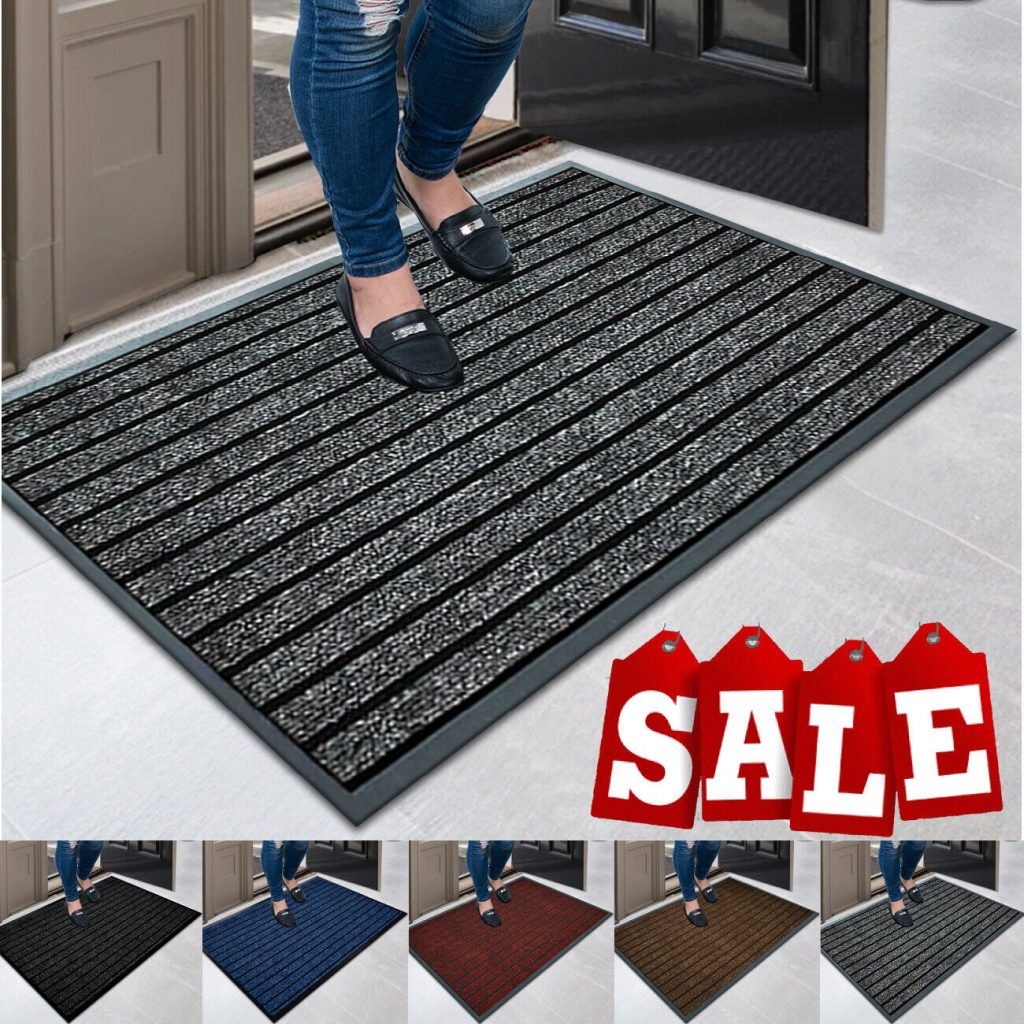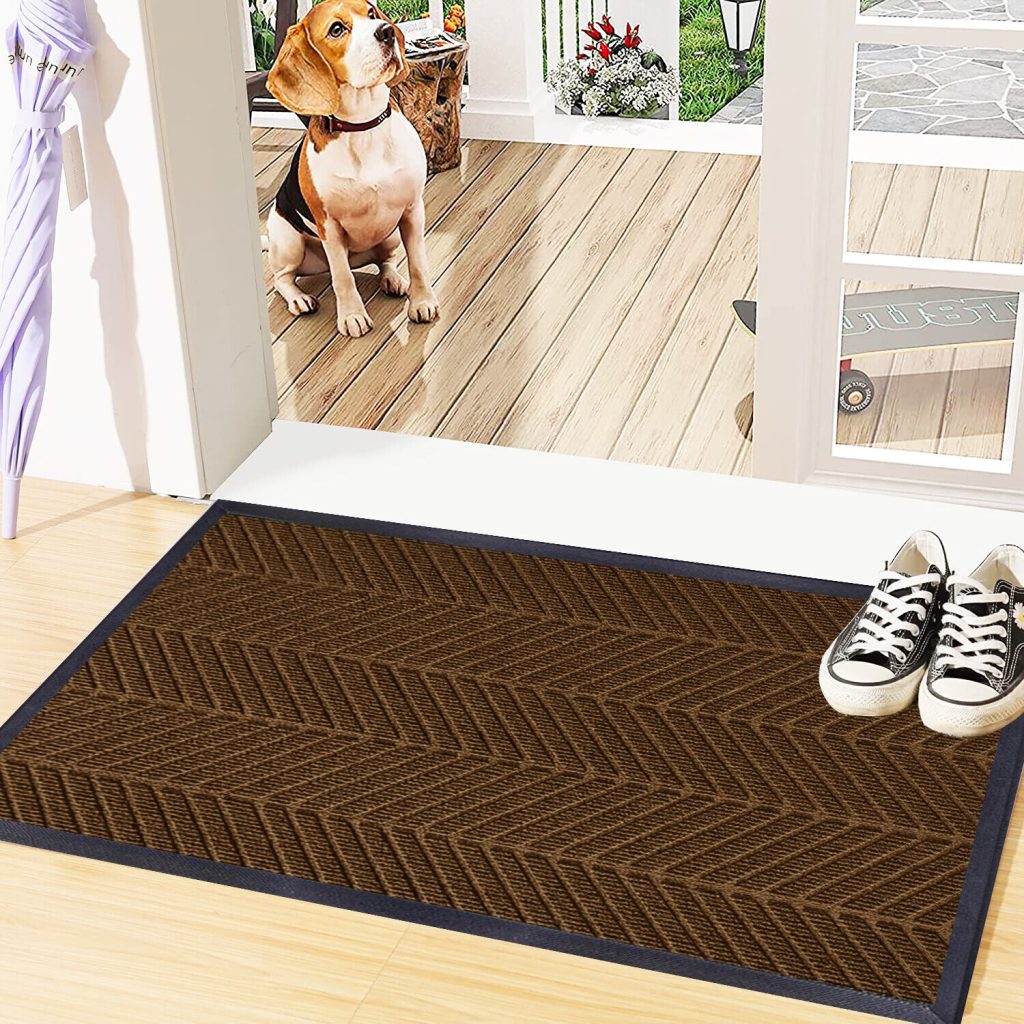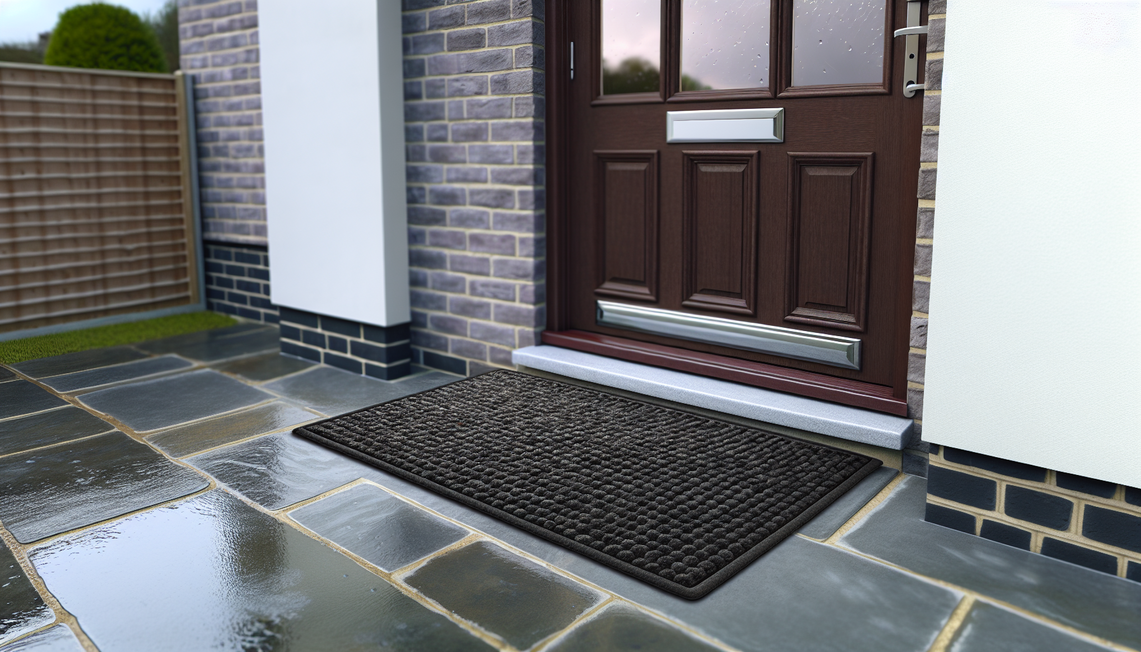
A barrier door mat is an essential addition to any UK home, helping to trap dirt, mud, and moisture before they enter your living space. In the UK’s often damp and unpredictable climate, a high-quality barrier door mat isn’t just a convenience; it’s a necessity for maintaining clean floors, protecting your home’s interior, and ensuring safety. However, not all entrance mats deliver the same performance, and selecting the wrong one can mean reduced cleanliness, safety hazards, and unnecessary wear and tear on your flooring. To get the best value and function from your barrier door mat, it’s crucial to avoid common buying mistakes. This comprehensive guide will help you navigate the key considerations, ensuring your entrance stays pristine and safe year-round.
Selecting the Right Size for Maximum Dirt and Moisture Capture
One of the most common mistakes when purchasing a barrier door mat is choosing one that is too small to effectively cover the doorway. An undersized mat allows dirt, mud, and water to bypass it entirely, undermining its primary purpose of protecting your indoor floors. The ideal barrier door mat should span the full width of your entrance and provide enough length for at least two to three steps (approx. 90-120 cm depth). This ensures comprehensive dirt and moisture capture, reducing the amount of grime tracked into your living areas.
When sizing your mat, measure the precise width of your door frame and consider the typical foot traffic patterns. For busy households, family homes with children and pets, or properties with wide entrances (such as patio doors or double front doors), larger, heavy-duty barrier mats are a must. A strategically placed, appropriately sized entrance mat acts as the first line of defence against outdoor elements, ensuring your interior remains cleaner and your flooring is better protected.
Choosing Materials That Suit UK Weather, Traffic, and Household Needs
The UK’s damp and often wet climate demands door mats that can withstand regular moisture exposure without deteriorating or becoming unhygienic. Choosing the right material for your barrier door mat uk is critical for its durability, ease of cleaning, and overall effectiveness as a dirt and moisture trap. Different materials offer distinct advantages and disadvantages, making it important to select one that aligns with your specific environmental conditions and household requirements.
| Material Type | Pros | Cons | Best Use Case in the UK |
|---|---|---|---|
| Coir (Natural Fibre) | Excellent scraping action for removing dry dirt and mud, traditional aesthetic. | Absorbs moisture and can degrade quickly in wet conditions; prone to shedding. | Sheltered outdoor porches, low-moisture indoor entryways, secondary scraper mat. |
| Rubber-backed Polypropylene | Highly durable, water-resistant, good balance of scraping and absorption, easy to clean (hose down/vacuum), maintains appearance in high traffic. | Can be less aesthetically varied than natural fibres; may feel stiffer underfoot. | High-traffic indoor/outdoor use, exposed to elements, primary barrier for wet conditions. |
| Nylon or Polyester (Synthetic Fibres) | Excellent moisture absorption, quick-drying fibres, often machine washable, soft underfoot. | May not scrape heavy mud as effectively as coir or polypropylene; can show dirt faster. | Indoor use (e.g., hallway entrance mat), secondary absorbent mat, light to moderate foot traffic. |
Consider household specifics like pets or children; some materials handle excessive mud, paw prints, and spills better than others. Selecting mats designed specifically for exterior use in the UK provides the best balance of performance and lifespan, ensuring your mat remains effective through all seasons.
Leveraging the Two-Mat System for Superior Entrance Protection
For the ultimate in entrance protection and to ensure maximum dirt and moisture control, consider implementing the highly effective two-mat system. This layered setup combines the strengths of different mat types to provide a comprehensive barrier against external elements:
- A scraper mat (typically a coarse, heavy-duty outdoor mat like rubber-backed polypropylene) placed on the outside to aggressively remove large debris, grit, and significant mud from footwear.
- An absorbent mat (often a synthetic fibre mat like nylon or polyester, or a finer polypropylene mat) positioned just inside the door to soak up residual moisture and finer dirt particles.
Together, these two mats form a formidable, layered barrier that significantly minimises dirt tracking and prevents water damage within the home. This approach is particularly beneficial during the notoriously rainy UK seasons, when footfall inevitably brings more outside elements indoors. The two-mat system ensures your floors stay cleaner, longer, and provides superior floor protection, reducing your overall cleaning effort.
Ensuring Proper Door Clearance to Avoid Functional Issues
A frequently overlooked but critical detail when choosing a new barrier door mat is door clearance. If your entrance mat is too thick or too high, it may obstruct the door from opening and closing smoothly. This seemingly minor issue can cause significant frustration, lead to damage to both the bottom edge of your door and the mat itself over time, and even pose a tripping hazard. A dragging door can prematurely wear down the mat’s fibres and scratch or warp your door, incurring unnecessary repair costs.
Before purchasing your new doormat, always measure the exact space between the floor and the underside of your door. Select a mat thickness that allows for ample, free door movement without any dragging or resistance. This simple yet crucial step prevents functional issues, extends the lifespan of both your door mat and your entry door, and ensures a hassle-free entry experience.
Prioritising Safety with Slip-Resistant Mats
Slip and fall accidents are a serious concern, especially at entranceways that are frequently exposed to wet weather, which is common across the UK. Choosing a barrier door mat with a robust **slip-resistant backing** is not just a recommendation; it is an essential safety feature designed to protect your household members and visitors from potential injuries. A mat that slides or bunches up easily can create a significant tripping hazard, particularly on hard floors like tiles, wood, or laminate.
Look specifically for high-quality mats that feature a durable rubber or non-slip PVC backing. This type of backing creates superior grip, keeping the mat securely in place on a variety of indoor or outdoor surfaces, even when wet. This stability is absolutely crucial on rainy, icy, or muddy days when entering the property can become hazardous without proper footing. Investing in a non-slip barrier mat is an investment in the safety of your home, providing peace of mind and preventing accidents.
Considering Maintenance Needs to Prolong Mat Life and Hygiene
The frequency and ease of maintenance should heavily influence your barrier door mat choice. A mat’s effectiveness in trapping dirt and moisture is directly linked to its cleanliness. Some materials require more regular washing or drying to stay hygienic and effective, while others are designed for lower maintenance.
- Easy-to-clean mats, such as those made from rubber-backed polypropylene, can often be simply hosed down outdoors, vacuumed daily, or spot-cleaned with ease.
- Coir mats may need to be regularly shaken or beaten out to remove embedded dirt, but they are generally less suitable for wet cleaning and can take a long time to dry if saturated.
- Synthetic fibre mats (nylon, polyester) often tolerate machine washing, but it is always crucial to check the manufacturer’s specific guidelines to avoid damage.
Choosing a mat that aligns with your willingness and ability to maintain it will help keep your entrance hygienic, extend the mat’s useful life, and ensure it continues to perform its critical function of keeping your home clean and protected.
Balancing Aesthetic Appeal with Practical Functionality
While functionality is paramount for any effective barrier doormat, its aesthetic appeal also plays a significant role in creating a welcoming first impression and contributing to your home’s overall style. A common mistake is to choose a mat purely for its decorative qualities while overlooking its practical capabilities in dirt or moisture control. This can lead to a beautiful but ineffective mat that fails to protect your floors.
Thankfully, modern designs now brilliantly combine practicality with attractive patterns, colours, and textures that can complement any UK home entrance. Whether your interior design style is classic, contemporary, minimalist, or rustic, you can find a barrier mat that delivers on both appearance and superior dirt-trapping performance. Select a mat that not only enhances your doorway’s curb appeal but also robustly performs its primary function, ensuring a clean and stylish entry.
Investing Wisely: Why Initial Cost Shouldn’t Be Your Only Consideration
It’s tempting for many homeowners to opt for the cheapest barrier door mat available, but initial price rarely reflects long-term value. Low-cost mats often use inferior materials and construction, leading to faster wear and tear, requiring premature replacement, and ultimately proving less effective at trapping dirt and water. Such mats can also fail prematurely in the face of the UK’s demanding weather conditions and heavy foot traffic, costing you more in the long run.
Investing in a higher quality mat—such as those with durable, hard-wearing fibres, a robust, non-slip backing, and weather-proof construction—provides significantly better protection for your flooring, endures harsh weather, and reduces ongoing maintenance and replacement costs. A high-quality entrance mat is a cost-effective investment that safeguards your home’s interior and offers superior performance for years to come. For a quality barrier door mat that balances durability, style, and superior dirt control, consider the extensive range of high-quality barrier door mats available at RugStars UK. Their durable entrance mats are specifically designed to cater to UK conditions and offer excellent long-term value and performance.
Conclusion
By avoiding these common mistakes when buying a barrier door mat uk, you ensure cleaner interiors, enhanced safety, and a more welcoming and protected entrance for your home. Prioritising proper sizing, selecting the right materials for the UK climate, considering the benefits of a two-mat system, ensuring adequate door clearance, and always choosing a slip-resistant mat are key to making an informed decision. Furthermore, factoring in maintenance needs and making a wise, long-term investment will contribute to a barrier mat that effectively protects your home and family, offering both functional efficiency and aesthetic appeal for years to come.
Frequently Asked Questions About Barrier Door Mats
Q1: What is the ideal size for a barrier door mat?
A1: The ideal barrier door mat should span the full width of your entrance and be long enough to allow for at least two to three steps (approx. 90-120 cm depth). This ensures comprehensive dirt and moisture capture as people wipe their feet before entering.
Q2: Which materials are best for a barrier door mat in the UK’s weather?
A2: For the UK’s often wet climate, rubber-backed polypropylene mats are highly recommended due to their durability, water resistance, and ease of cleaning. Nylon or polyester mats are also excellent for moisture absorption, particularly for indoor use.
Q3: Why is a two-mat system recommended for home entrances?
A3: A two-mat system uses a coarse scraper mat outside to remove large debris and mud, and an absorbent mat inside to trap moisture and finer dirt. This layered approach provides superior protection, significantly reducing the amount of grime tracked into your home.
Q4: How do I ensure my barrier door mat doesn’t obstruct my door?
A4: Before purchasing, measure the space between your floor and the underside of your door. Choose a mat thickness that allows for free door movement without dragging or resistance. This prevents damage to both the door and the mat.
Q5: What maintenance does a barrier door mat require?
A5: Maintenance depends on the material. Rubber-backed polypropylene mats can be hosed down or vacuumed. Coir mats need regular shaking or beating. Synthetic mats are often machine washable, but always check manufacturer guidelines for specific cleaning instructions to prolong the mat’s life and effectiveness.