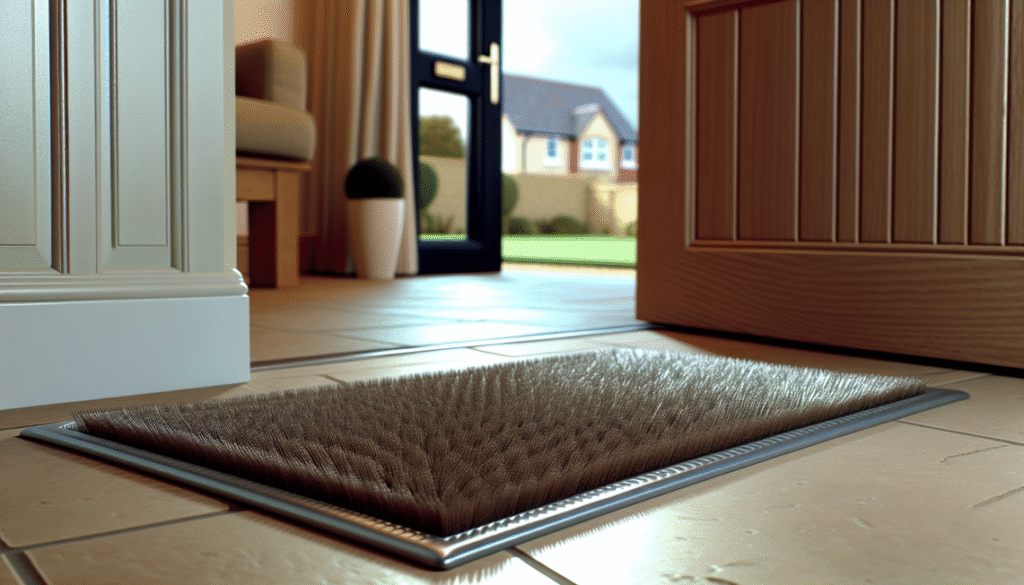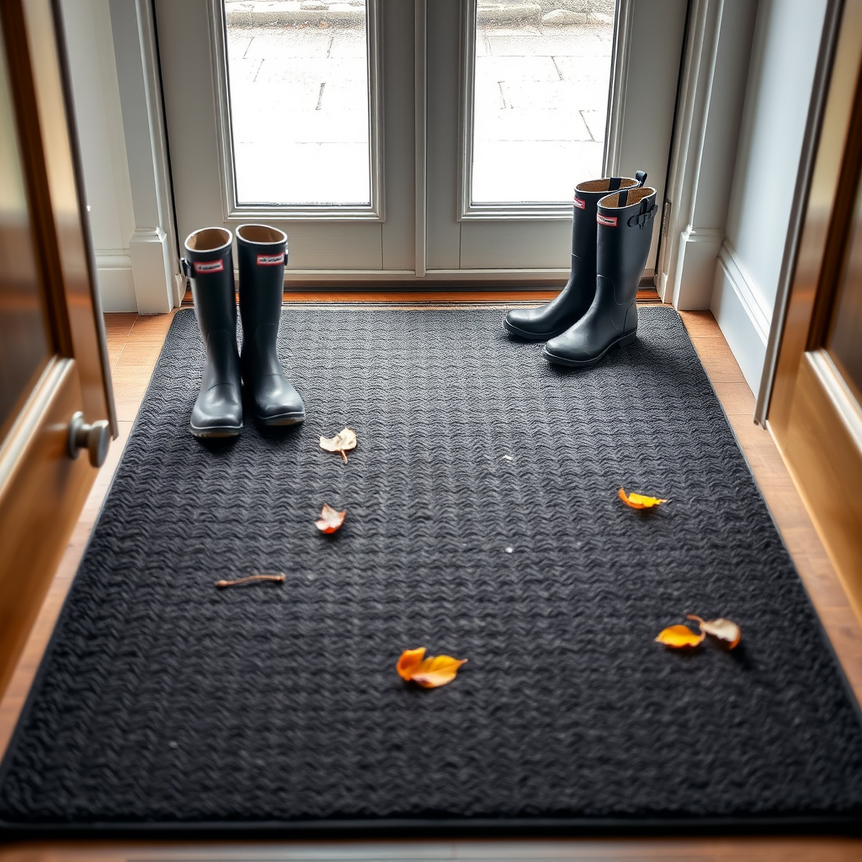
In the UK, where changing weather can bring everything from relentless rain to muddy trails, a simple doormat often isn’t enough to protect your home or business interior. This is where the barrier door mat steps in, offering a far more robust and effective solution designed specifically for the demanding British climate.
What Exactly is a Barrier Door Mat?
More than just a decorative entrance piece, a barrier door mat is specifically engineered for superior performance. Its primary purpose is to act as the first line of defence, aggressively trapping and retaining dirt, mud, grit, moisture, and debris directly at your entrance. Unlike standard mats, barrier mats are designed with advanced materials and construction – often featuring tough polypropylene or nylon fibres with a robust rubber backing – to prevent outdoor elements from being tracked inside, keeping your indoor spaces cleaner, safer, and prolonging the life of your flooring.
Essential Benefits: Why Every UK Home and Business Needs One
Investing in a high-quality barrier door mat offers tangible advantages for both residential and commercial properties across the UK, making them an indispensable part of your entrance strategy.
Enhanced Flooring Protection
The abrasive nature of trapped dirt, grit, and moisture can significantly damage various flooring types. Barrier door mats safeguard your valuable carpets, prevent scratches on laminate, and protect the finish of hardwood floors by intercepting these damaging elements. By acting as a formidable dirt trapping mat, they extend the lifespan and maintain the pristine appearance of your interiors, reducing the need for costly repairs or replacements.
Superior Safety Features
Wet and slippery floors are a common hazard, particularly during the UK’s wetter months. By absorbing moisture and offering excellent grip, heavy-duty doormats significantly reduce the risk of slips, trips, and falls. This creates a much safer environment for families, employees, and visitors alike, helping businesses meet health and safety regulations and giving homeowners peace of mind.
Significantly Reduced Maintenance
The amount of dirt and moisture that accumulates inside directly impacts cleaning efforts. With a barrier door mat effectively capturing debris at the threshold, you’ll spend considerably less time sweeping, vacuuming, and mopping. This leads to lower cleaning costs, less wear and tear on cleaning equipment, and more time for what truly matters.
Improved Indoor Air Quality
By trapping dust, allergens, and other particulate matter at the entrance, barrier mats prevent these elements from circulating throughout your indoor environment. This contributes to better indoor air quality, which is beneficial for everyone, especially those with allergies or respiratory sensitivities.
Cost-Effectiveness and Longevity
While the initial investment in a quality barrier door mat might be higher than a standard mat, its durability and effectiveness lead to significant long-term savings. By protecting your floors, reducing cleaning expenses, and lasting for years, these entrance mats prove to be a highly cost-effective solution.
Barrier Mats vs. Standard Doormats: A Clear Comparison
To truly appreciate the power of a barrier door mat, it’s helpful to understand how it differs from a conventional doormat. Here’s a comparison:
| Feature | Barrier Door Mat | Standard Doormat |
|---|---|---|
| Primary Function | Aggressively scrapes, traps, and absorbs dirt, mud, and moisture. | Primarily for light scraping, decorative purposes, and general foot wiping. |
| Material & Construction | Durable, high-performance fibres (polypropylene, nylon) with heavy-duty non-slip rubber backing. Often features ridged or deep-pile designs. | Often coir, cotton, or lighter synthetic fibres; less robust backing. |
| Dirt Trapping Capacity | Excellent; designed to hold significant amounts of grit and debris. | Limited; suitable for light dirt and dust. |
| Moisture Absorption | Superior; quickly absorbs and retains water, preventing tracking. | Moderate; can get saturated quickly, leading to wet floors. |
| Durability & Lifespan | Highly durable; withstands heavy traffic and frequent cleaning, lasting years. | Less durable; wears out faster, especially in high-traffic areas. |
| Safety Features | Non-slip backing, effective moisture absorption reduces slip hazards. | May slip on smooth floors; limited effectiveness against wet conditions. |
| Typical Usage | High-traffic entrances (commercial & residential), outdoor and indoor. | Low-traffic residential entrances, decorative use. |
Choosing the Right Barrier Door Mat for Your Space
Selecting the ideal barrier door mat involves considering several factors to ensure maximum effectiveness and longevity. Whether you’re looking for commercial barrier mats or a solution for your home, these considerations will guide you.
1. Location and Exposure
First, determine where the mat will be placed. For outdoor use or areas heavily exposed to the elements, look for weather-resistant and UV-stable materials like rubber or robust synthetic blends. For indoor entrance mats, focus on high absorbency and scraping capabilities.
2. Traffic Volume
The amount of foot traffic your entrance receives is crucial. Heavy-duty doormats with dense pile and durable construction are essential for commercial spaces or busy family homes. For lighter traffic areas, a slightly less robust mat might suffice, but durability should still be a priority.
3. Size and Fit
An effective barrier mat should be wide enough to cover the main entrance width and long enough for at least two steps on the mat. This ensures sufficient contact for shoes to be cleaned. Measure your space carefully, considering door clearance to avoid snagging.
4. Material Matters
- Polypropylene: Excellent for moisture absorption and dirt trapping, quick-drying, and resistant to fading. A popular choice for indoor and sheltered outdoor use.
- Nylon: Extremely durable, hard-wearing, and resilient. Great for very high-traffic areas and often used in commercial settings due to its long lifespan and ability to hold vibrant colours.
- Rubber: Heavy-duty, slip-resistant, and highly effective at scraping off coarse dirt and debris. Often used for outdoor barrier mats or in industrial settings.
- Coir: Natural, highly abrasive, and effective at scraping mud. While traditionally popular, synthetic barrier mats often offer superior longevity and moisture control.
5. Aesthetics and Design
While functionality is key, the mat is the first impression visitors get of your property. Choose a colour and design that complements your interior or exterior decor. For businesses, custom logo mats can enhance branding while providing essential floor protection.
Maintaining Your Barrier Door Mat for Optimal Performance
Even the most durable barrier mat needs regular care to maintain its effectiveness. Proper maintenance ensures it continues to trap dirt and moisture efficiently for years to come.
Regular Cleaning Routine
- Shake or Vacuum Daily: For light dirt, simply shake the mat outdoors or use a powerful vacuum cleaner to remove loose debris.
- Spot Clean as Needed: For spills or stubborn marks, use a mild detergent and a damp cloth to gently blot the affected area. Avoid harsh chemicals that could damage the fibres.
- Hose Down (for Outdoor/Rubber Mats): Many outdoor and rubber barrier mats can be hosed down with water to remove accumulated mud and grime. Ensure they are thoroughly dried before being placed back in position.
- Machine Washable Options: Some smaller barrier mats are machine washable. Always check the manufacturer’s care label for specific instructions. Use a gentle cycle and cold water, then air dry.
Deep Cleaning
Periodically, your mat may benefit from a deeper clean. For larger mats, professional cleaning services or a thorough scrubbing with a brush and appropriate cleaning solution can revitalize its appearance and performance. Always ensure the mat is completely dry before reuse to prevent mildew.
Conclusion
In the unpredictable climate of the UK, a barrier door mat is far more than just a welcome mat; it’s a vital investment in the cleanliness, safety, and longevity of your property. By effectively trapping dirt, absorbing moisture, and reducing slip hazards, these indispensable entrance mats provide robust floor protection solutions. Whether for a bustling commercial establishment or a busy family home, choosing the right barrier mat and maintaining it properly will ensure your indoor spaces remain pristine and welcoming, significantly reducing maintenance efforts and enhancing overall indoor air quality. Don’t underestimate the power of a quality barrier mat – it’s the first line of defence your home or business deserves.
Frequently Asked Questions About Barrier Door Mats
Q1: What is the primary difference between a barrier door mat and a regular doormat?
A1: A barrier door mat is specifically engineered for superior performance, featuring advanced materials and construction (like dense polypropylene or nylon fibres with robust rubber backing) to aggressively scrape, trap, and absorb significant amounts of dirt, mud, and moisture. Regular doormats, often made of coir or lighter materials, are primarily for light scraping and decorative purposes, with limited capacity for heavy-duty dirt and moisture control.
Q2: How do barrier door mats contribute to home and business safety?
A2: Barrier door mats significantly enhance safety by absorbing moisture and providing a non-slip surface, which dramatically reduces the risk of slips, trips, and falls, especially during wet weather. Their robust non-slip backing ensures they stay firmly in place, creating a safer environment for everyone entering the premises.
Q3: Can barrier door mats be used both indoors and outdoors in the UK?
A3: Yes, many barrier door mats are versatile enough for both indoor and outdoor use. Mats designed for outdoor placement often feature weather-resistant materials like rubber or UV-stable synthetics. For indoor entrances, the focus is typically on high absorbency and effective dirt trapping. Always check the product specifications to ensure it’s suitable for your intended location and the UK weather conditions.
Q4: How do I clean and maintain my barrier door mat?
A4: Maintenance depends on the mat’s material. Most barrier mats benefit from daily shaking or vacuuming to remove loose debris. Spot cleaning with a mild detergent and damp cloth works for spills. Outdoor and rubber mats can often be hosed down. Some smaller synthetic barrier mats are machine washable, but always check the care label and ensure the mat is completely dry before reuse to prevent mildew and maintain performance.
Q5: Are barrier door mats cost-effective in the long run?
A5: Absolutely. While the initial investment might be slightly higher than a standard mat, barrier door mats are highly durable and long-lasting. They protect your valuable flooring from damage, significantly reduce cleaning efforts and costs, and enhance safety, leading to considerable savings over time. Their effectiveness in extending floor life and reducing maintenance makes them a smart, cost-effective solution.