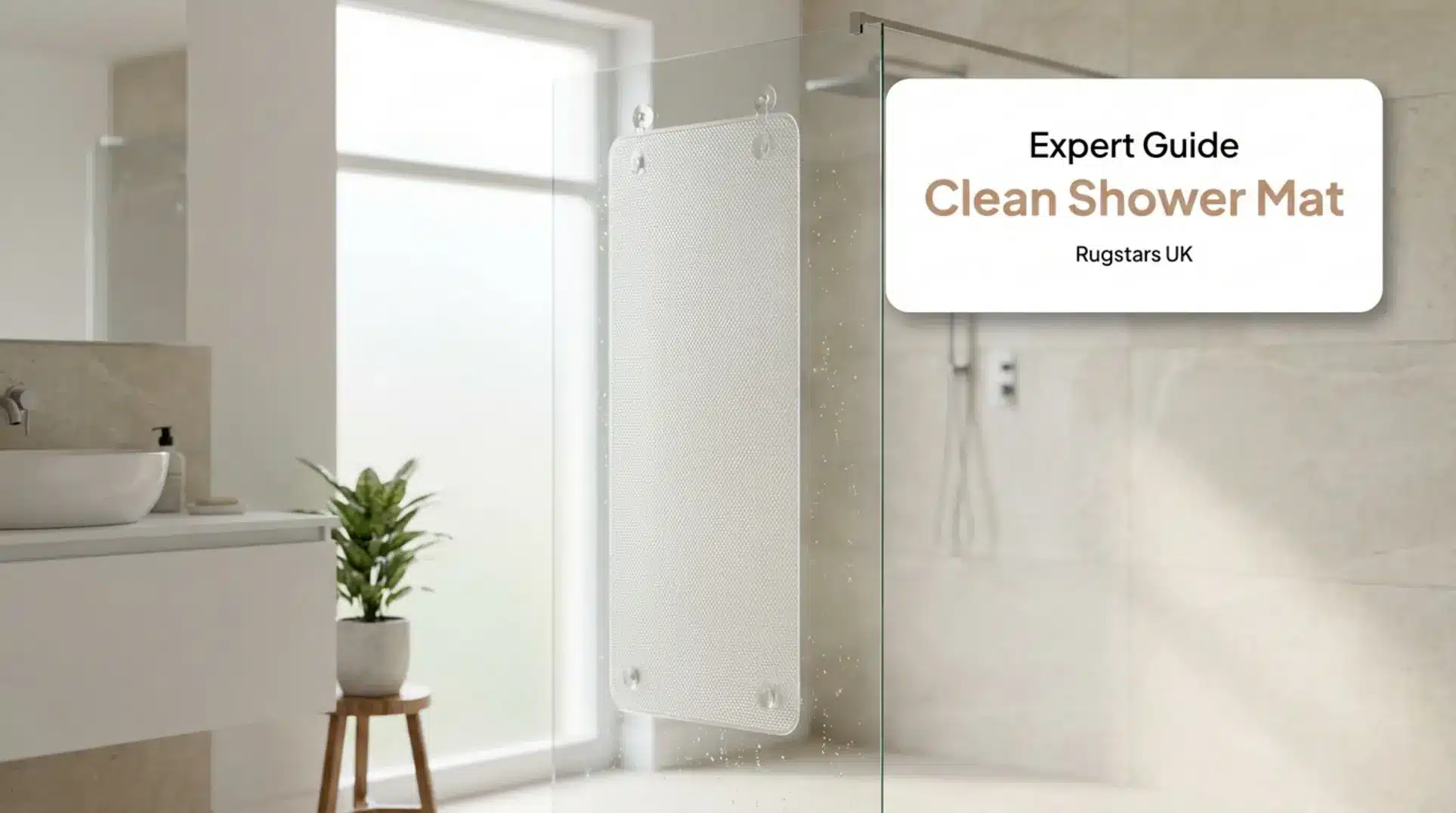
🎯 Quick Answer
Yes, you can clean a non-slip shower mat in a UK washing machine by using a gentle, low-temperature cycle with a mild, non-bio liquid detergent. This method is often the most effective way to remove soap scum, body oils, and early-stage mould, restoring hygiene and grip.
- Use a 30°C ‘Delicates’ or ‘Hand Wash’ cycle to protect the mat’s material.
- Add a couple of old towels to the drum to balance the load and help scrub the mat.
- Always air-dry the mat thoroughly; never use a tumble dryer as the heat can damage the non-slip backing.
Read our full guide for step-by-step instructions tailored to UK machines and specific mat materials like rubber, PVC, and microfibre.
Time to upgrade your shower mat?
Free UK delivery · 14-day returns · Trusted on Trustpilot

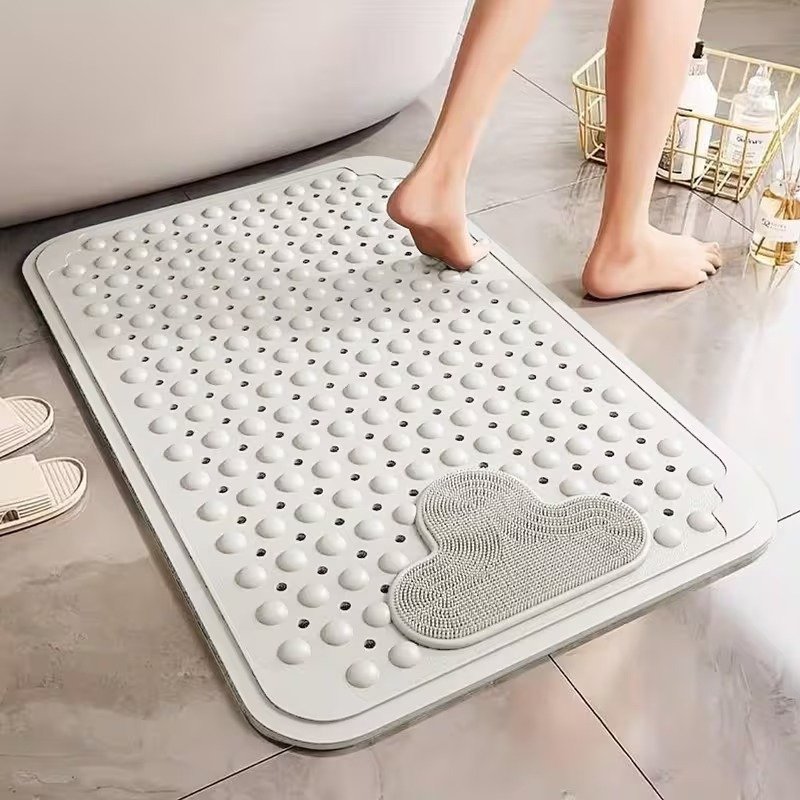
⭐⭐⭐⭐ Rated on Trustpilot · Free UK delivery on every order
That non-slip shower mat, once a reassuring presence underfoot, can quickly become a source of bathroom dread. A build-up of soap scum, the first signs of pink or black mould, and a generally grimy feel can make it seem more unhygienic than helpful. This leads to a common question for UK homeowners: can you just toss it in the wash? The answer is a resounding yes, provided you use the right technique. Knowing how to clean non-slip shower mat in a UK washing machine is the most effective way to restore it. This is especially true in our typically humid British bathrooms, where understanding the specific settings on a Bosch, Hotpoint, or Beko machine is key to a successful, damage-free clean.
At Rugstars UK, we specialise in high-quality home textiles, including durable bathroom mats designed to withstand the realities of UK homes. We understand that you need practical, reliable solutions. This guide provides a definitive, step-by-step process for machine washing common shower mat materials like rubber, PVC, and microfibre. We’ll go beyond the basics to cover everything from selecting the correct cycle and detergent to implementing an advanced mould prevention strategy. By following our expert advice, you can extend the life of your mat, maintain a hygienic bathroom, and ensure it remains safely non-slip.
👤 Article by: The Rugstars UK Product Team Reviewed by: The Rugstars UK Product Team Last updated: 17 March 2026
ℹ️ Transparency: This article provides expert guidance on cleaning shower mats based on material science and best practices. All information is reviewed by the Rugstars UK team to ensure it is accurate and helpful for UK homeowners. Our goal is to help you care for your products effectively.
Understanding Your Mat: Materials & UK Washing Machine Compatibility
Before you begin, it’s important to recognise that not all shower mats are created equal. The material your mat is made from dictates the safest and most effective cleaning method. Choosing the wrong cycle or detergent can lead to a cracked, warped, or non-grippy mat, defeating its purpose entirely.
Common UK Mat Materials
Most non-slip shower mats available in the UK fall into one of three material categories, each with its own characteristics.
- Rubber: Natural or synthetic rubber shower mats UK are known for their durability and excellent grip. They are robust but can be sensitive to high temperatures and harsh chemicals, which may cause the material to become brittle and crack over time.
- PVC (Polyvinyl Chloride): A common plastic, PVC shower mat UK models are flexible, water-resistant, and often more affordable. While resilient, PVC can harden and become brittle with age or exposure to extreme temperatures and certain chemicals.
- Microfibre: These mats feature a soft, absorbent fabric top layer bonded to a non-slip rubber or PVC backing. They offer comfort but require careful washing to protect the delicate bond between the fabric and the backing.
The quality and durability of these materials are often guided by international bodies like the International Organization for Standardization (ISO), which sets standards for textiles worldwide.[4]
UK Washing Machine Settings Demystified
Generic cleaning advice, often from US sources, doesn’t always translate to the settings found on UK washing machines. For the best results with your Bosch, Hotpoint, Miele, or other UK-brand machine, look for these specific cycles:
- ‘Delicates’ or ‘Hand Wash’: These are the safest options. They use low agitation and a low spin speed, which minimises stress on the mat’s material and suction cups.
- ‘Easy Care’ or ‘Synthetics’: These can also be suitable, as they are designed for man-made materials and typically use lower temperatures.
For temperature, cold or 30°C is the safest choice for all mat types. While a microfibre mat’s label might permit a 40°C wash, this temperature can risk damaging rubber or PVC backings. It’s best to err on the side of caution with a cooler wash.
Choosing the Right Detergent for UK Shoppers
The detergent aisle can be overwhelming, but the choice for your shower mat is simple. Always opt for a mild, non-bio liquid detergent. Non-biological detergents are free from enzymes that can be harsh on rubber and PVC.
Equally important is knowing what to avoid. The following products can ruin your shower mat:
- Fabric Softener: This coats the mat’s surface, drastically reducing its non-slip properties and making it a safety hazard.
- Chlorine Bleach: This is extremely corrosive to rubber and PVC, causing it to degrade, crack, and discolour. Using it is a fast way to destroy your mat. This advice is supported by safety bodies like the UK’s Health and Safety Executive (HSE), which advises on chemical safety in textiles.[5]
- Optical Brighteners: Found in many ‘bio’ powders, these can cause discolouration or yellowing on certain materials.
Knowing your mat’s material and pairing it with a cool, gentle cycle and a mild detergent is the foundation for a safe and effective clean. With this knowledge, you’re ready to move on to the step-by-step process.
Step-by-Step UK Washing Machine Cleaning Process
This simple, 6-step process provides the correct method for how to clean a non-slip shower mat in a UK washing machine, ensuring you get a hygienic result without causing any damage. By following these instructions precisely, you can restore your mat’s freshness and grip safely.
- Pre-Rinse in the Shower
This is a crucial first step that many people skip. Before placing the mat in the machine, hang it over the bath tap or shower screen and give it a thorough rinse with the shower head. This removes loose hair, soap scum, and surface dirt, meaning the washing machine can focus on the deeper clean.
- Load the Machine Correctly
Never wash the mat by itself. A single, heavy item can unbalance the drum during the spin cycle, causing loud banging and potentially damaging your machine. To prevent this, add 2-3 old bath towels to the load. This not only balances the drum but also acts as a gentle buffer, and the texture of the towels helps to scrub the mat clean. If your mat is particularly delicate, placing it in a large mesh laundry bag can offer extra protection.
- Add the Right Detergent
Use a small amount of a gentle, non-bio liquid detergent. You typically need less than you would for a full load of clothes. Reiterate to yourself: no fabric softener and no chlorine bleach.
- Select the Cycle and Temperature
Choose the most gentle cycle your machine offers. This will be labelled ‘Delicates,’ ‘Hand Wash,’ or a similar variant. Set the temperature to 30°C or cold. This is warm enough to clean effectively with a modern detergent but cool enough to protect the mat’s material from damage.
- Set a Low Spin Speed
This is critical for preserving the mat’s structure. High UK washing machine spin speeds can exert immense force, potentially stretching the mat, tearing its edges, or damaging the suction cups. Set the spin to the lowest possible setting, which is usually 400-600 RPM (Revolutions Per Minute).
- Remove and Dry Immediately
As soon as the cycle finishes, remove the mat from the machine. Leaving it in the damp drum can lead to musty smells and creases. Shake it out gently and proceed immediately to the drying stage. For proper drying non-slip shower mats, hang them over a washing line, shower rail, or clothes airer.
By consistently using this method—especially the key actions of adding towels, using a low temperature, and setting a low spin speed—you can keep your mat clean and functional for much longer.
Mastering Mould & Odour Elimination in UK Bathrooms
Generic cleaning advice often ends with a simple “hang it up to dry.” While well-intentioned, this instruction is rarely sufficient for the unique conditions of UK bathrooms, which are often humid, compact, and may have limited ventilation. Mould and mildew don’t just need moisture; they thrive in still, warm air—a perfect description of a British bathroom after a hot shower. To truly win the war against grime and odours, you need a comprehensive strategy that goes beyond the occasional machine wash.
Why Mould Thrives in British Bathrooms
The science is straightforward: mould spores are everywhere, waiting for the right conditions to grow. A damp shower mat left on the floor of a poorly ventilated bathroom provides the ideal environment. The textured surface and suction cups trap water, while residual warmth from the shower accelerates growth, leading to the familiar pink or black spots. This is why a proactive, multi-layered approach is essential for preventing mould on shower mats in UK humid bathrooms.
Your Anti-Mould Routine: Daily, Weekly, Monthly
Consistency is your greatest weapon. Integrating these simple habits into your routine can make a significant difference.
- Daily (Non-negotiable): After every single shower, take 30 seconds to rinse the mat on both sides with the shower head. Then, hang it up to dry. The key is to hang it in a way that allows air to circulate freely around the entire mat. Drape it over the side of the bath or a shower screen with the suction-cup side facing outwards.
- Weekly: Biofilm—a slimy, invisible layer of bacteria and soap scum—is the precursor to mould. To remove it, create a simple paste of baking soda and water and use an old brush to gently scrub the mat’s textured surface and around the suction cups. Alternatively, a quick spray with a solution of equal parts white vinegar and water can help to disinfect the surface.
- Monthly Deep Clean: To tackle stubborn build-up or as a preventative measure, perform a deep clean. Soak the mat in the bathtub with a solution of one part white vinegar to two parts warm water for an hour. This helps to dissolve mineral deposits and kill mould spores. For tough stains, you might consider a UK-approved oxygen-based bleach, but always check the mat manufacturer’s guidance first to avoid damage.
Beyond Cleaning: Controlling Your Bathroom Environment
You can clean your mat perfectly, but if the environment remains damp, mould will eventually return.
- Ventilation is Key: The most important step is to remove moist air. Run your extractor fan during your shower and for at least 15-20 minutes afterwards. If you don’t have a fan, open a window slightly.
- Humidity Reduction: After showering, use a squeegee to wipe down shower walls and glass screens. This removes a surprising amount of water that would otherwise evaporate into the air. For bathrooms with persistent damp issues, a small, portable dehumidifier can be an excellent investment.
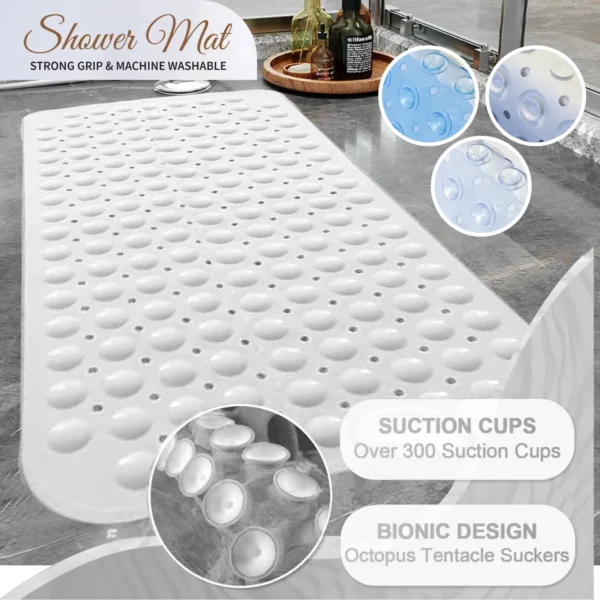
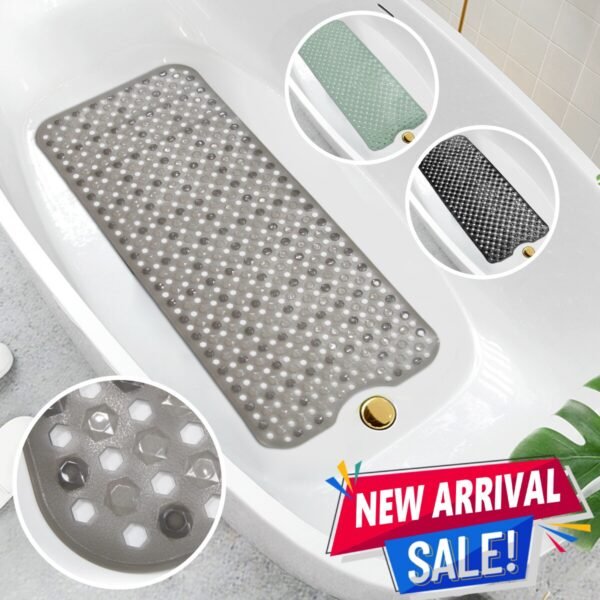
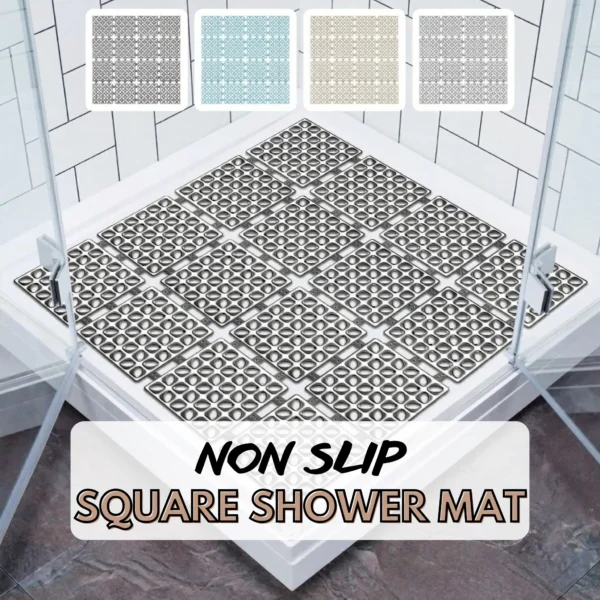
Rugstars Uk Recommended Non Slip Shower Mats for Elderly
-
Extra Large Non Slip Bath Mat | Rugstars UK
Price range: £8.99 through £10.49 Select options This product has multiple variants. The options may be chosen on the product page Bath Mats -
Non Slip Bath Mat 40x100cm Anti Mold | Rugstars UK
Price range: £8.99 through £9.99 Select options This product has multiple variants. The options may be chosen on the product page Bath Mats -
Non Slip Bath Mat 60x60cm | Rugstars UK
Original price was: £16.99.£14.99Current price is: £14.99. Select options This product has multiple variants. The options may be chosen on the product page Bath Mats -
Non Slip Shower Mat & Bath Rug | Rugstars UK
Price range: £9.99 through £12.99 Select options This product has multiple variants. The options may be chosen on the product page Bath Mats
Choosing a Mould-Resistant Mat for the UK Market
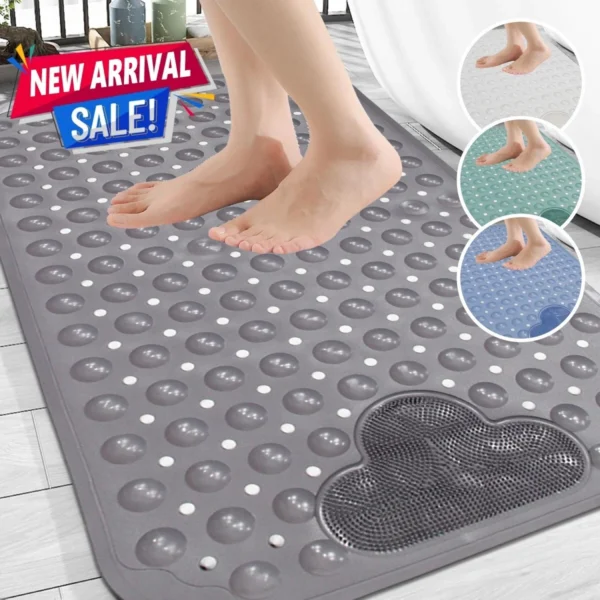
If you’re fighting a losing battle, your mat’s material might be part of the problem. When it’s time for a replacement, consider choosing a mould-resistant shower mat UK. Look for mould-resistant mats like silicone or antimicrobial rubber, which are less porous and inhibit microbial growth. Slatted designs made from wood or plastic also promote better drainage and airflow.
Leading charities like Allergy UK confirm that controlling humidity is a critical step in reducing mould spores and other allergens in the home.[2] This approach aligns with general NHS guidance, which recommends regular washing of home textiles to ensure a hygienic environment.[3] At Rugstars UK, we know that the right material choice is the first line of defence against mould in the UK’s damp climate.
Preserving Your Mat’s Longevity: Avoiding Common Mistakes
While regular cleaning is essential for hygiene, aggressive or incorrect cleaning methods can be just as damaging as neglect. An overly harsh approach can destroy the very features that make your shower mat safe and effective, such as its non-slip grip and suction power. Avoiding these common pitfalls is key to extending its life.
The 5 Mistakes That Ruin Non-Slip Mats
Protect your investment and your safety by steering clear of these five destructive habits.
- Using the Tumble Dryer: This is the number one mistake that ruins shower mats. The intense heat from a tumble dryer can melt the rubber or PVC backing. This causes the material to become brittle, crack, warp, and completely lose its non-slip properties. Always air-dry your mat.
- Washing Too Hot: Just like a tumble dryer, hot water from your washing machine can damage the mat. High temperatures can make rubber brittle and cause PVC to deform or lose its shape, compromising the seal of the suction cups. Stick to a 30°C or cold wash.
- Using High Spin Speeds: A powerful spin cycle subjects the mat to significant pulling and stretching forces. This can weaken the material, tear the edges, and damage or even rip off the suction cups, making the mat useless. Always select the lowest spin speed available.
- Using Harsh Chemicals: As mentioned earlier, chlorine bleach and other strong cleaners chemically break down the polymers in rubber and PVC. This leads to irreversible cracking, discolouration, and a loss of flexibility and grip. A gentle, non-bio detergent is all that is needed.
- Folding or Crumpling for Storage: If you need to store your mat, avoid folding it tightly or crumpling it up. This can create permanent creases and weak points that may eventually crack. The best practice is to store it flat or roll it loosely.
Prioritising safety is crucial, a principle backed by UK government bodies like the Office for Product Safety and Standards (OPSS), which regulates consumer products to prevent harm.
Read our Blog on Non Slip Shower Mat Safety Guide in details.
Pro Tips for Suction Cup Care
Have you noticed your mat’s suction cups losing their grip over time? This is rarely due to the cups wearing out. Instead, it’s usually caused by a build-up of soap scum and invisible biofilm, which prevents them from forming a proper seal.
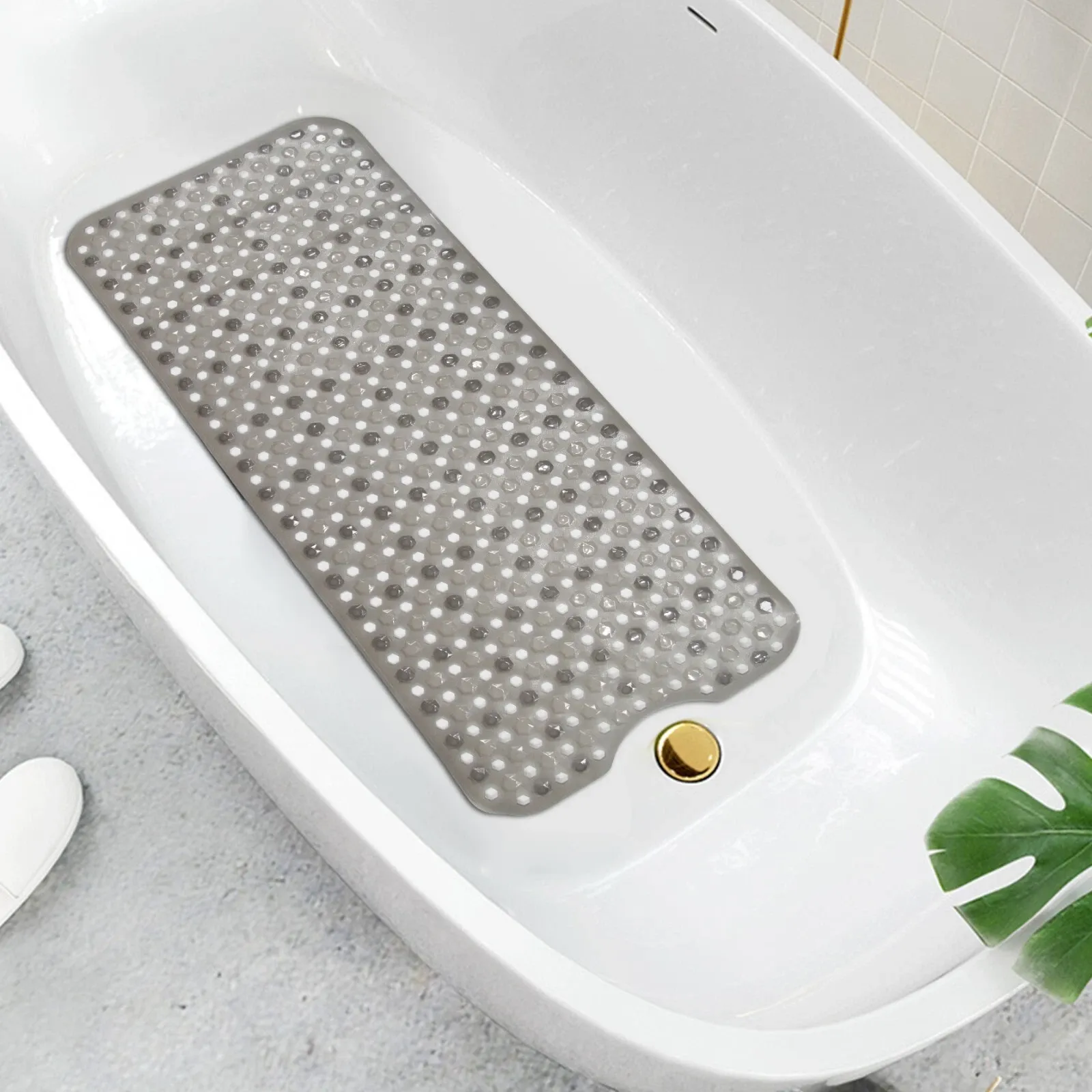
To restore their grip, you don’t need any special products. Simply make a paste of baking soda and water and use an old toothbrush for some targeted cleaning suction cups on shower mats UK. Scrub each cup thoroughly, rinse with warm water, and dry. This simple trick removes the residue and can dramatically improve the mat’s adhesion to the tub or shower floor, helping to preserve non-slip grip.
By avoiding these common errors and giving the suction cups some occasional care, you can ensure your mat remains a safe and long-lasting fixture in your bathroom.
Frequently Asked Questions
How to wash and clean non-slip shower mat in washing machine?
Yes, you can wash a non-slip shower mat in a washing machine. Use a gentle, cool cycle (30°C or less) like ‘Delicates’ or ‘Hand Wash’. Add a small amount of non-bio liquid detergent and include a few old towels to balance the load and provide a scrubbing action. Always use a low spin speed and air-dry the mat completely afterwards. Following these steps for how to clean a non-slip shower mat in a UK washing machine will yield the best results.
Are shower mats washable?
Yes, most modern shower mats made from rubber, PVC, or microfibre are machine washable. It is crucial to check the manufacturer’s care label first for any specific instructions. For a safe wash, always use a cool, gentle cycle (30°C), a mild detergent, and never put them in a tumble dryer, as high heat can destroy the non-slip backing.
What’s the best way to clean a rubber shower mat?
The best way to clean a rubber shower mat is in the washing machine on a cold, delicate cycle. Use a gentle, non-bio liquid detergent and add a few towels to the drum to prevent the mat from moving too much. For stubborn mould, you can pre-soak it in a solution of white vinegar and water before washing. Always air-dry it away from direct sunlight, as UV rays can degrade rubber over time.
How do you clean a non-slip mat?
To clean a non-slip mat, use your washing machine on a 30°C ‘Delicates’ cycle with a mild liquid detergent. Add old towels to the load for balance and a gentle scrubbing effect. For a quick clean or to target suction cups, scrub with a paste of baking soda and water. Rinse thoroughly after every use and hang to air dry completely to prevent mould growth.
How to get black mould off shower mat?
To remove black mould, soak the shower mat for an hour in a bath with one part white vinegar to two parts warm water. For tougher stains, create a paste of baking soda and water and scrub the affected areas with a brush. Afterwards, wash the mat in the washing machine on a cool, gentle cycle to remove all residue and vinegar odour.
Can you put shower mats in the washer and dryer?
You can put most shower mats in the washer, but you should never put them in the dryer. The high heat from a tumble dryer can melt, warp, or crack the rubber or PVC non-slip backing, ruining the mat and potentially damaging your appliance. Always hang the mat to air-dry thoroughly after washing.
How to clean bath mats with suction cups vinegar?
To clean a mat with suction cups using vinegar, fill a bathtub with enough warm water to cover the mat and add one to two cups of white vinegar. Let the mat soak for at least one hour to dissolve soap scum and help kill mould spores. Afterwards, gently scrub the suction cups with a soft brush and rinse thoroughly before hanging to dry.
How to clean rubber bath mat without bleach?
You can effectively clean a rubber bath mat without bleach by using white vinegar and baking soda. Soak the mat in a vinegar and water solution (1:2 ratio) for an hour to disinfect it. For stains, use a baking soda paste and a soft brush to scrub them away. Finish by washing on a cool, gentle cycle in your machine to rinse away all residue.
How to clean a bath mat with baking soda?
To clean a bath mat with baking soda, create a thick paste by mixing baking soda with a small amount of water. Apply the paste directly to stained areas or over the entire mat surface and suction cups. Let it sit for 15-20 minutes, then scrub gently with a brush and rinse thoroughly. This method is excellent for removing stubborn biofilm and odours.
How to prevent mold on bath mat?
To prevent mould, rinse your bath mat after every use and hang it to air-dry completely. Ensure air can circulate around both sides. Reduce humidity in your bathroom by using an extractor fan or opening a window for 15-20 minutes post-shower. Perform a weekly clean with a vinegar spray and ensure the mat is machine washed regularly on a cool cycle.
How to deep clean a shower mat?
For a deep clean, start by soaking the shower mat in a bath with a solution of white vinegar and water for one hour. Then, scrub any stubborn spots with a baking soda paste. Finally, place the mat in the washing machine with a few old towels on a 30°C delicate cycle with non-bio detergent to remove all dirt and residue.
How often should you change your rubber bath mat?
You should aim to replace your rubber bath mat every 1-2 years, or sooner if you see signs of significant wear or damage. Look for cracking, permanent discolouration, suction cups that no longer stick, or mould that cannot be removed. Regular replacement is important for both hygiene and safety, as a worn-out mat can become a serious slip hazard.
Limitations, Alternatives & Professional Guidance
While machine washing is a highly effective method, it’s important to have a balanced perspective on its capabilities and limitations. These cleaning techniques are excellent for maintenance and hygiene but cannot reverse physical degradation. If a mat is already cracked, brittle, or torn, no amount of cleaning will restore its structural integrity or safety. Similarly, some deep-set mould stains may have permanently discoloured the material, and attempting to remove them with harsh chemicals will only cause more damage.
For those with very delicate mats or without a suitable ‘Delicates’ cycle on their machine, hand-washing is a perfectly viable alternative. Simply fill the bathtub with some warm water and a small amount of mild detergent, and use a soft brush to scrub the mat on both sides. This gives you complete control over the pressure and is very gentle on the material. For daily upkeep between washes, keeping a spray bottle of diluted white vinegar in the bathroom for a quick post-shower spritz can help to keep microbes at bay.
Ultimately, safety should be the top priority. There comes a point when you should replace, not clean, your mat. The key indicators are clear: any visible cracks or tears in the material, suction cups that have gone hard and no longer grip the surface, a perpetually slimy feel even immediately after cleaning, or a persistent musty smell that won’t go away. A non-slip mat is a piece of safety equipment, and if it can no longer perform its primary function, it’s time for a new one.
Conclusion
Keeping your non-slip shower mat clean and hygienic is simpler than it might seem. As we’ve shown, machine washing on a cool, gentle cycle with a couple of old towels is the most efficient and effective method for a deep clean. However, the real key to long-term success lies in consistent daily care—rinsing and hanging the mat after every use—and actively controlling your bathroom’s humidity, a crucial step in UK homes. By remembering to avoid the tumble dryer and harsh chemicals, you can preserve your mat’s function and extend its lifespan significantly. Following this guide on how to clean a non-slip shower mat in a UK washing machine ensures both hygiene and safety in your bathroom.
A high-quality mat is not only safer but also easier to maintain and more resilient to regular cleaning. If your current mat is showing signs of cracking, has lost its grip, or simply won’t come clean, it may be time for an upgrade. A fresh, reliable mat is a small investment in your daily comfort and safety. If your current mat is showing signs of wear, explore our collection of reliable and affordable shower mats to keep your bathroom safe and stylish. You can also explore other care guides for more expert tips.
References
- Office for Product Safety and Standards (OPSS), GOV.UK
- Allergy UK. (n.d.). House Dust Mite Allergy Factsheet.
- Cambridge University Hospitals NHS Foundation Trust. (n.d.). Dust Mites in Your Home.
- International Organization for Standardization. (n.d.). ISO/TC 38, Textiles.
- UK Health and Safety Executive (HSE). (n.d.). Textiles.