Choosing the perfect rug for your living room can transform the space, adding warmth, style, and comfort while defining your interior design aesthetic. Whether you’re refreshing your existing decor or furnishing a new home, this comprehensive UK guide will help you select a rug that suits your room’s size, style, and practical needs.
Understanding Your Living Room Space and Style Needs
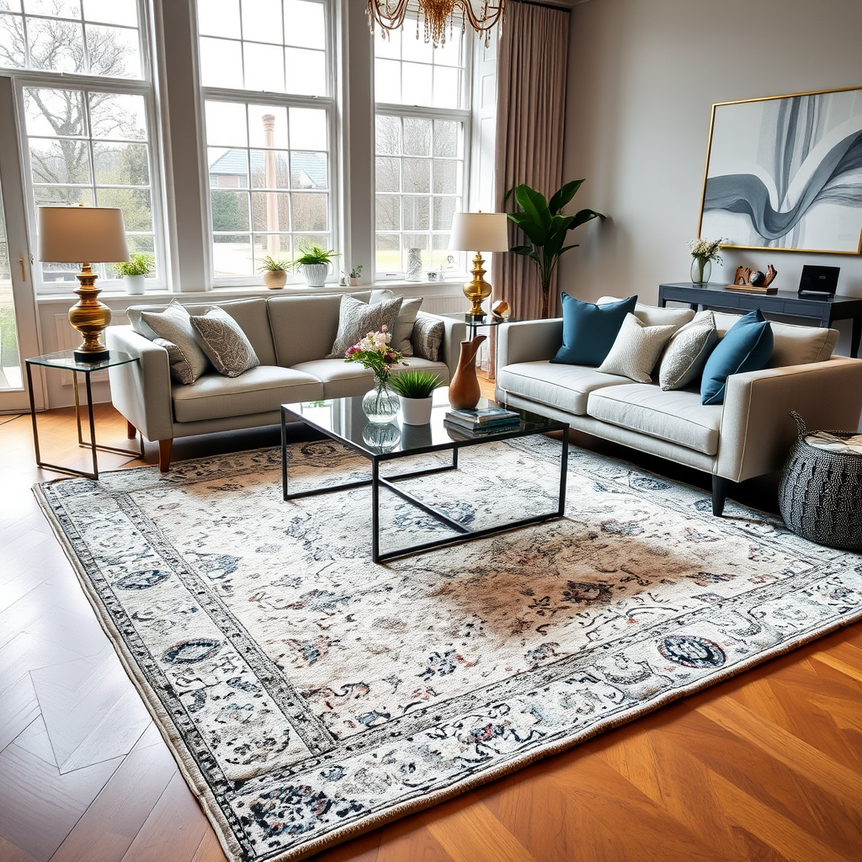
Before purchasing a rug, it’s essential to assess your living room’s dimensions, layout, and decor style. Measure the area where you plan to place the rug, ensuring there will be a balanced border around the edges between the rug and surrounding walls or furniture. In smaller living rooms, choosing a rug that extends under key furniture pieces—such as the front legs of sofas or chairs—anchors the seating area, creating a cohesive look.
Consider your room’s overall style to find a rug that complements your existing furnishings. For minimalist or modern interiors, opt for simple patterns and neutral colours to maintain serenity and openness. Traditional or eclectic rooms can handle bolder patterns and textures, such as Persian motifs or bohemian designs. A well-chosen rug can serve as a focal point or a unifying element, adding warmth and enhancing the ambience.
Exploring Different Rug Materials and Their Benefits
The choice of rug material affects both the appearance and care requirements. Here are some popular materials commonly available in the UK, along with their benefits:
- Wool: Naturally durable, stain-resistant, and excellent for insulation, wool rugs provide a luxurious feel and retain their look under heavy foot traffic. They are ideal for busy living rooms but may require professional cleaning.
- Cotton: Lightweight and machine-washable, cotton rugs suit casual settings and budget-conscious buyers. However, they tend to wear out more quickly than wool or synthetics.
- Synthetic fibres (polypropylene, polyester, nylon): These rugs are highly durable, stain-resistant, and affordable. Perfect for homes with pets or children, synthetic rugs balance practicality with variety in patterns and colours.
- Natural fibres (jute, sisal, seagrass): Offering a rustic, eco-friendly appeal with great texture, these rugs work well in informal spaces but are less resistant to moisture and can shed fibres easily.
Assess your household needs—if you have children, pets, or heavy foot traffic, consider wool or synthetic options for the best longevity and ease of maintenance.
Choosing the Right Rug Colour and Pattern to Enhance Your Space
The colour and pattern of your rug significantly influence your living room’s atmosphere and visual appeal.
- Colour Selection: Use colour theory to decide if the rug should blend seamlessly with your existing palette or act as a statement piece. Light neutrals and muted shades visually expand small rooms, while rich jewel tones or warm hues add depth and sophistication.
- Patterns: Geometric prints work well with contemporary decor, creating a structured, clean look. Traditional floral or oriental patterns enhance classic interiors. For smaller spaces or already busy rooms, subtle patterns help maintain balance without overwhelming the eye.
- Harmonising vs Contrasting: To create a relaxing, cohesive space, select rug colours and designs that complement your sofa upholstery and wall colours. Conversely, use contrasting colours or bold patterns if you want the rug to serve as a captivating focal point.
Selecting the Optimal Rug Shape and Placement for Visual Balance
Rug shape and placement are crucial for visual harmony and practical layout in your living room.
- Rectangular rugs: The most versatile and common shape, perfect for anchoring sofas and coffee tables. In an open-plan setting, ensure the rug is large enough to fit beneath all furniture legs in the seating arrangement for cohesion.
- Round or oval rugs: These soften angular furniture lines and highlight circular arrangements such as a round coffee table or ottoman. They are well-suited for creating inviting focal areas.
- Placement: Decide whether all furniture will sit on the rug, just the front legs, or if the rug will serve as a centerpiece surrounded by furniture. Maintain sufficient visible flooring around the edges—typically 30-60 cm—to avoid a cramped appearance.
Maintaining and Caring for Your Rug to Maximise Longevity
Proper care keeps your rug looking fresh and extends its lifespan:
- Vacuum regularly: Use a suction-only vacuum or one with adjustable height to protect fibres.
- Rotate periodically: Prevent uneven wear and fading by rotating your rug every few months, especially if exposed to direct sunlight.
- Spot clean spills immediately: Blot spills gently with a mild detergent and warm water. Avoid rubbing to prevent fibre damage.
- Professional cleaning: For wool or natural fibre rugs, annual professional cleaning is recommended to maintain vibrancy.
- Use underlay: A quality rug underlay boosts comfort, prevents slipping, protects flooring, and reduces wear.
Budgeting and Shopping Tips for Quality Rugs in the UK Market
Set a realistic budget reflecting your lifestyle and intended use of the rug. Investing more in high-quality natural fibre rugs often saves money long-term as they maintain their appearance better and last longer.
UK shoppers can choose between:
- Online retailers: Offer extensive selections and competitive pricing, but always check reviews and return policies.
- Physical stores: Allow you to feel textures and see colours firsthand, aiding confident decisions.
Compare material, workmanship, brand reputation, and warranties. Avoid very cheap rugs that quickly degrade. For premium selections and expert advice, explore trusted UK stores like John Lewis and The S Bean Store.
For excellent quality rugs at competitive prices, explore the curated collections at Rugstars – UK’s trusted rug retailer, where you can find a wide range of styles and materials to suit every home.
Quick Comparison: Popular Rug Materials
| Material | Durability | Maintenance | Best For | Typical Cost |
|---|---|---|---|---|
| Wool | High | Requires professional cleaning | High-traffic areas, cosy interiors | Premium |
| Cotton | Medium | Machine washable | Casual rooms, budget-friendly | Low to mid |
| Synthetic (Polypropylene, Nylon) | Very High | Easy to clean, stain resistant | Pet & child-friendly homes | Low to mid |
| Natural fibres (Jute, Sisal) | Medium | Spot clean only | Rustic, eco-friendly decor | Mid |
Frequently Asked Questions about Choosing and Caring for Living Room Rugs
Q: Are there allergy-friendly rug options?
Yes, low-pile synthetic rugs and washable cotton rugs reduce dust retention and allergens, making them ideal for sensitive households.
Q: What rugs are pet and child-friendly?
Durable synthetic or wool rugs with stain-resistant finishes offer the best balance of comfort and practicality. Avoid delicate fibres like silk or natural fibres that are difficult to clean.
Q: How big should my rug be?
A good rule is to ensure that the front legs of sofas and chairs sit on the rug, with a visible border of approximately 30-60 cm around the seating area to maintain proportion.
Q: Can I use a rug on underfloor heating?
Yes, but choose rugs with low tog ratings and suitable underlay to avoid obstructing heat flow and ensure efficiency.
Q: How often should I professionally clean my wool rug?
Professional cleaning once every 12-18 months is recommended for wool rugs to preserve fibre quality and appearance.