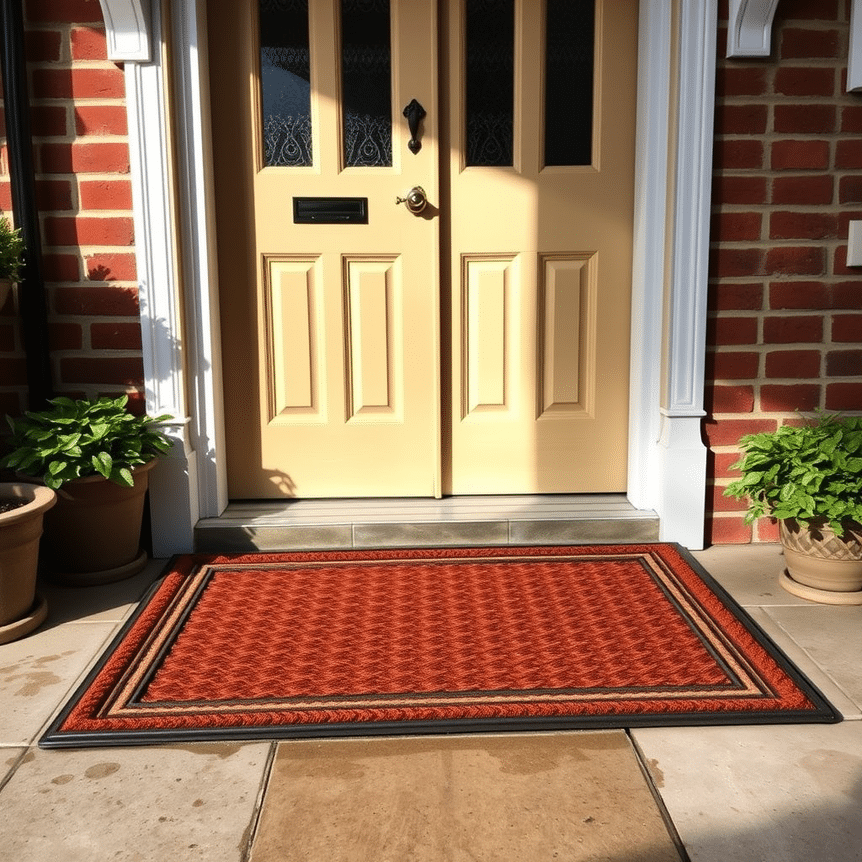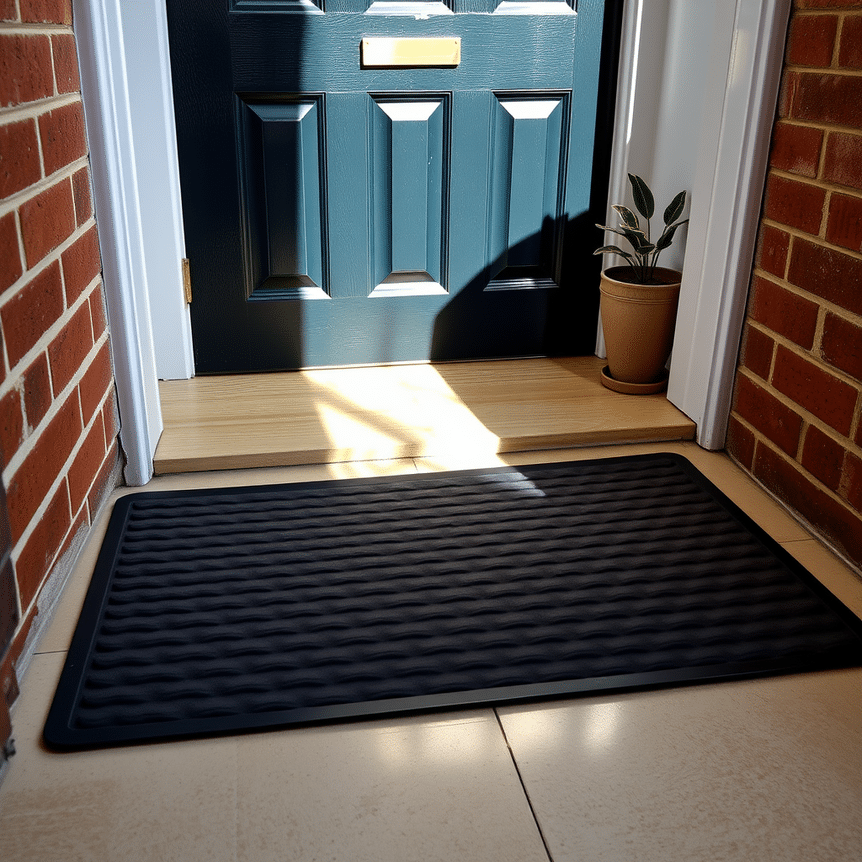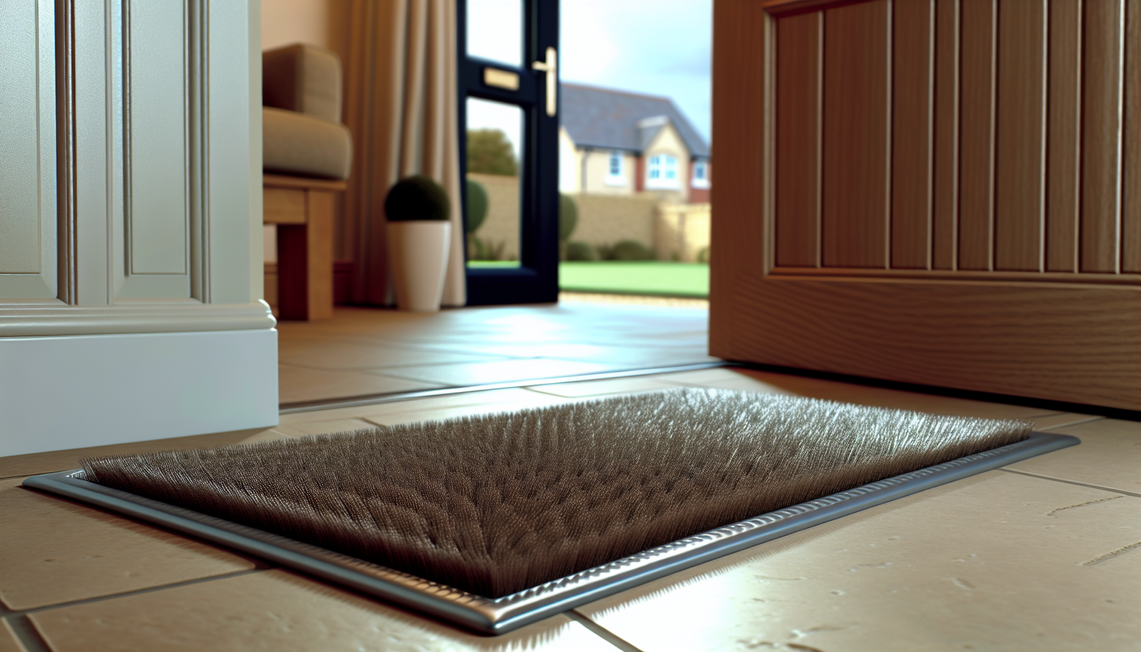
Barrier mats play an indispensable role in maintaining cleanliness, safety, and flooring protection across commercial and residential properties. By acting as the first line of defense against dirt and moisture, these essential mats significantly extend the lifespan of your floors. Proper cleaning and maintenance are key to ensuring optimal performance and cost efficiency, making your investment in a quality barrier mat truly worthwhile. This comprehensive guide covers everything you need to know about caring for your barrier mat, from daily upkeep to seasonal strategies, helping you preserve its functionality and appearance for years to come.
The Crucial Role of Barrier Mats in Protecting Your Space
Barrier mats serve as the initial safeguard against dirt, moisture, and various debris entering your premises. Strategically placed at entry points, they efficiently trap contaminants, preventing floor damage, significantly reducing slip hazards, and enhancing overall indoor air quality. Whether deployed in bustling commercial buildings or high-traffic homes, a quality barrier mat is an essential tool. It not only preserves your valuable flooring investment but also helps maintain hygienic conditions, ensuring a safer and cleaner environment for everyone.
Decoding Barrier Mats: Types, Features, and Effectiveness
Barrier mats are engineered with diverse materials, including robust rubber-backed options, durable vinyl, natural coir, and advanced synthetic fibres. Each material is designed with specific surface textures optimized to capture dirt and absorb moisture efficiently. Many barrier door mats feature anti-slip bases for enhanced safety, highly water-absorbent layers, and resilient fibres calibrated to withstand heavy foot traffic. Understanding these specific features is vital for selecting a mat best suited for your environment and for implementing targeted, effective cleaning strategies that preserve its integrity and performance.
Barrier Mat Daily Care Habits: Simple Vacuuming and Spot Cleaning Techniques
Consistent daily upkeep is essential to prevent the accumulation of dirt and debris on your barrier mat. Use a vacuum cleaner or a broom to effectively remove loose particles and dust from the mat’s surface. For minor spills or stubborn stains, immediate spot cleaning is crucial. Apply a mild detergent to a soft brush or cloth and gently clean the affected area, taking care to avoid harsh scrubbing that could damage the fibres. Keeping the mat dry and free of loose debris maximizes its dirt-trapping ability and maintains its clean appearance.
Weekly Maintenance: Proper Shake-Outs and Deep Vacuuming Practices
Once a week, elevate your barrier mat maintenance with a more thorough cleaning routine. Remove the mat from its location and take it outdoors to vigorously shake out any deeply embedded dirt particles. Follow this with a comprehensive deep vacuuming session, targeting both sides of the mat. Pay particular attention to the edges and corners, as these areas commonly accumulate significant amounts of debris. If you utilize multiple barrier mats, implementing a regular rotation schedule can help distribute wear evenly, thereby preserving the material integrity and extending the lifespan of each mat.
Monthly Deep Cleaning Strategies: Water Extraction and Pressure Washing Methods
Monthly deep cleanings are vital for restoring your barrier mat’s absorbency and overall appearance, especially for heavily trafficked areas. For water-safe mats, consider using a water extraction machine, which effectively pulls out ingrained grime and moisture. Alternatively, you can hose down the mat with a low-pressure washer. If necessary, apply a mild detergent, ensuring it’s suitable for your mat’s material, then rinse thoroughly. Crucially, avoid excessive water pressure that could damage the fibres or the backing. Always allow mats to dry completely— ideally air drying in sunlight or a well-ventilated area—to prevent common issues like mould growth, unpleasant odours, and premature mat degradation.
Comparison of Cleaning Frequencies and Methods
Understanding the different cleaning needs for your barrier mat can help streamline your maintenance routine and ensure optimal performance. Here’s a quick comparison:
| Cleaning Frequency | Method(s) | Key Benefits | Important Considerations |
|---|---|---|---|
| Daily | Vacuuming, Sweeping, Spot Cleaning | Prevents surface dirt buildup, maintains appearance, quick response to spills. | Focus on loose debris and immediate stains. |
| Weekly | Shake-out, Deep Vacuuming (both sides), Rotation | Dislodges embedded dirt, distributes wear evenly, refreshes fibres. | Perform outdoors to avoid spreading dirt indoors. |
| Monthly | Water Extraction, Low-Pressure Washing, Thorough Rinsing | Restores absorbency, removes ingrained grime, prevents odours and bacterial growth. | Ensure complete drying to prevent mould and backing damage. Use mild, mat-safe detergents. |
Tailored Seasonal Maintenance: Winter and Summer Care Tips for Longevity
Seasonal conditions can significantly impact your barrier mat’s performance and durability. In winter, increased exposure to road salt, slush, and mud necessitates more rigorous cleaning to prevent fibre wear, corrosion, and the breakdown of backing materials. Use a stiff brush and warm water to effectively tackle salt residues. In contrast, summer’s high humidity and heat may cause mats to retain moisture longer, increasing the risk of mildew. During warmer months, extend drying times and avoid placing mats on perpetually wet surfaces to inhibit moisture-related issues and ensure your mat’s continued effectiveness.
Safe Chemical Usage: Selecting Effective Cleaners and Avoiding Damage
The choice of cleaning products is paramount for preserving your barrier mat. Always select pH-balanced, non-bleach cleaning solutions that are specifically formulated for synthetic fibres or rubber surfaces, depending on your mat’s composition. It is crucial to avoid harsh chemicals such as bleach, ammonia, or solvent-based cleaners, as these can severely degrade the mat backing, cause colours to fade, and compromise the mat’s structural integrity. Before full application, always perform a discreet patch test on a small, inconspicuous area to ensure material compatibility and prevent irreversible damage.
Expert Maintenance Practices: Rotation, Inspection, and Timely Repairs
To maximize the longevity and effectiveness of your barrier mat, incorporate expert maintenance practices into your routine. Regularly inspect your mat for common signs of wear, such as fraying edges, cracks in the backing, or deformed fibres, as these issues can significantly reduce the mat’s ability to trap dirt and absorb moisture. Address minor damages promptly using a suitable mat adhesive or by carefully trimming loose threads. If you have multiple mats, rotate them between entrances to evenly distribute wear patterns and prolong their collective lifespan. Replacing severely worn mats is crucial not only for maintaining safety and cleanliness standards but also for ensuring your flooring remains adequately protected.
Avoiding Common Pitfalls: Prevent Over-Wetting and Inadequate Drying
One of the most common pitfalls in barrier mat maintenance is excessive water exposure during cleaning. Over-wetting can saturate the mat’s backing, leading to mould growth, unpleasant odours, and the breakdown of adhesives and materials. To prevent this, use controlled water application methods and avoid soaking mats unnecessarily. Crucially, ensure thorough drying by placing mats in well-ventilated areas, ideally where air can circulate freely around them. Never reinstall or store damp mats, as trapped moisture can cause significant damage to the underlying flooring, leading to costly repairs and potential health hazards.
Investing Wisely: The Cost-Benefit of Proper Mat Cleaning and Upkeep
Routine and diligent maintenance of your barrier mat is not just about cleanliness; it’s a strategic investment that yields significant long-term benefits. By safeguarding your mat, you effectively extend its functional life, thereby delaying the need for costly replacements. A well-maintained mat performs optimally in dirt and moisture retention, which, in turn, reduces the overall cleaning costs for your interior floors and dramatically minimizes slip incidents, enhancing safety for all users. The time and modest resources dedicated to regular upkeep translate directly into substantial long-term savings and a visibly enhanced appearance for your facility or home, underscoring the true value of consistent mat care.
Read our guide on choosing the perfect barrier doormat size.
Frequently Asked Questions
Q: How often should I clean my barrier mat to maintain effectiveness?
A: For optimal performance, light vacuuming or sweeping should be done daily or whenever the mat appears dirty. Weekly shake-outs and thorough vacuuming are recommended to remove embedded dirt, while a deep cleaning should be performed at least monthly.
Q: Can I use household cleaning chemicals on my barrier mat safely?
A: It’s best to avoid harsh household chemicals like bleach or ammonia, as these can degrade the mat’s backing and fade its colours. Instead, opt for mild, pH-neutral cleaners specifically designed for mats or synthetic fibres to ensure safety and longevity.
Q: What is the best way to dry my barrier mat after cleaning?
A: Air drying in a shaded but well-ventilated area is optimal. Ensure the mat is completely dry before reinstalling it to prevent mould growth, unpleasant odours, and potential damage to your underlying flooring. Avoid direct heat sources or prolonged sun exposure, which can degrade the mat material.
Q: When should I consider professional servicing or replacement for my mat?
A: Consider professional cleaning if your mat shows persistent odours, deep-seated stains that standard cleaning can’t remove, or significant bacterial buildup. Replacement is necessary if the mat exhibits severe backing deterioration, permanent loss of absorbency, extensive fraying, or any wear that compromises its safety or effectiveness.
Q: Are there specific seasonal tips to prepare my barrier mat for harsh weather?
A: Yes. In winter, increase cleaning frequency to promptly remove salt, snowmelt, and mud, which can be corrosive. In summer, focus on thorough drying to prevent mildew in humid conditions, and protect entrance mats from prolonged intense sun exposure to prevent fading and material degradation.
Proper cleaning and maintenance of your barrier mat ensure it continues to protect your floors and maintain a safe, clean environment for years to come. Incorporate these expert tips into your routine for maximum mat performance and longevity, securing your investment and enhancing your space.