🎯 Quick Answer
The best non-slip shower mat for the elderly in the UK features strong suction cups for stability, a textured surface for enhanced grip, and is made from mould-resistant materials like TPE or silicone. Key considerations for UK homes include:
- Regulatory Awareness: Look for mats that align with UK safety standards for slip resistance (like those tested using BS 7976-2 principles).
- Material Hygiene: Choose anti-mould and anti-bacterial materials suitable for damp UK climates.
- Proper Drainage: Ensure the mat has holes or channels to prevent water pooling and reduce slip risks.
- Correct Sizing: The mat must fit the specific dimensions of UK shower trays, including smaller cubicles or wet rooms.
Continue reading for a comprehensive guide to selecting the safest mat for your needs.
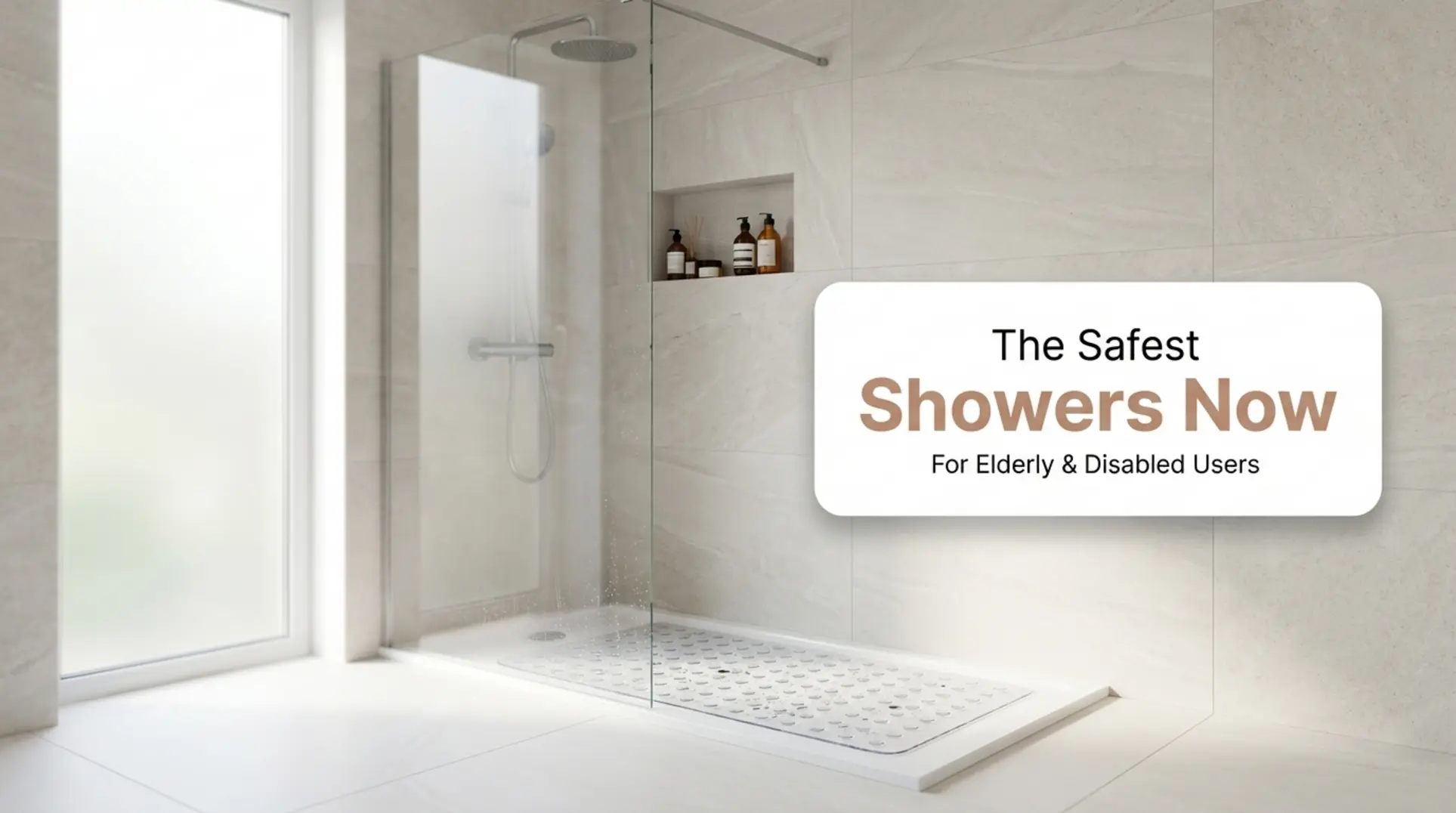
For older adults and disabled individuals in the UK, the bathroom can be one of the most hazardous rooms in the home, with wet surfaces significantly increasing the risk of falls. A high-quality non-slip mat is not just an accessory; it’s a crucial safety device that promotes independence and provides peace of mind for both users and their caregivers. This guide provides a comprehensive overview of the safest shower mats for elderly users available in the UK, focusing on essential features, advanced materials, and critical safety standards that every UK household should know.
Safer shower mats for elderly use
Free UK delivery · 14-day returns · Trusted on Trustpilot

⭐⭐⭐⭐ Rated on Trustpilot · Free UK delivery on every order
We will delve into the specifics of what makes a shower mat truly safe for elderly and disabled users, from the science behind grip technology to the importance of anti-mould properties in the UK’s damp climate. We’ll also explain UK-specific regulations and provide practical advice for common challenges, such as textured shower trays. By the end of this article, you will have the expert knowledge needed to choose a mat that ensures maximum safety and durability.
👤 Article by: The Rugstars UK Home Safety Team Reviewed by: Ashley, Home Textile Safety Specialist Last updated: 05 March 2026
ℹ️ Transparency: This article explores non-slip shower mats based on UK safety guidance and materials science. Some links may connect to our products. All information is verified and reviewed by our home safety specialists. Our goal is to provide accurate, helpful information to improve bathroom safety.
Understanding the Risk: Why Non-Slip Mats are Essential for UK Seniors
A non-slip shower mat is a foundational tool in the strategy for preventing falls in elderly bathrooms UK, and choosing the right shower mats for elderly is a critical first step. According to guidance from respected UK organisations like The Royal Society for the Prevention of Accidents (RoSPA) and Age UK, falls are a leading cause of serious injury for older people, and the bathroom presents a unique combination of risks. The mix of water, soap, shampoo, and smooth acrylic or ceramic surfaces creates an extremely slippery environment where a fall can happen in an instant.
A securely anchored mat provides a stable, high-friction surface to stand on, directly counteracting these risks. This simple addition can have a profound impact on daily life:
- Enhancing Independence: For many seniors, the fear of falling can lead to a loss of confidence and a reluctance to bathe without assistance. A reliable mat provides a secure footing, empowering individuals to maintain their personal care routines with greater autonomy and dignity. This sense of independence is vital for overall well-being and quality of life.
- Peace of Mind for Caregivers: For family members and caregivers, the well-being of their loved ones is a constant concern. Installing a high-quality shower mat is a proactive, tangible step that provides reassurance. It demonstrates a commitment to safety and can alleviate anxiety, knowing that a key risk has been significantly mitigated.
- A Key Part of a Broader Safety System: While essential, a non-slip mat functions most effectively as part of a comprehensive bathroom safety plan. It works in concert with other
bathroom safety aids for seniors uksuch as grab rails, shower chairs, and adequate lighting to create a multi-layered defence against falls. As Age UK’s guidance on fall prevention suggests, a holistic approach is the most effective way to make a home safer.[4]
Ultimately, the small investment in a well-chosen shower mat can yield significant returns in safety, confidence, and quality of life. It transforms a high-risk area into a more secure space, supporting the continued independence and well-being of older and disabled adults across the UK.
-
Non Slip Shower Mat & Bath Rug | Rugstars UK
Price range: £9.99 through £12.99 Select options This product has multiple variants. The options may be chosen on the product page Bath Mats -
Non Slip Bath Mat 60x60cm | Rugstars UK
Original price was: £16.99.£14.99Current price is: £14.99. Select options This product has multiple variants. The options may be chosen on the product page Bath Mats -
Extra Large Non Slip Bath Mat | Rugstars UK
Price range: £8.99 through £10.49 Select options This product has multiple variants. The options may be chosen on the product page Bath Mats -
Non Slip Bath Mat 40x100cm Anti Mold | Rugstars UK
Price range: £8.99 through £9.99 Select options This product has multiple variants. The options may be chosen on the product page Bath Mats
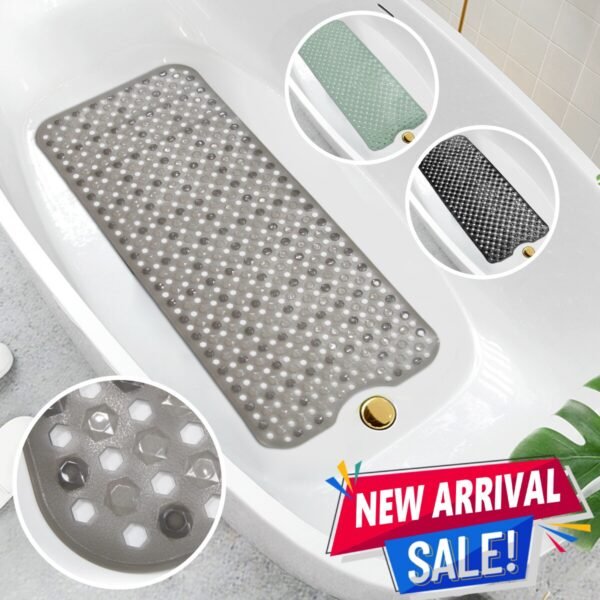
Key Features of High-Grip Shower Mats for UK Bathrooms
Not all non-slip mats are created equal. The safest mats for elderly and disabled users combine several key design features to deliver maximum stability and reliable grip. When selecting a mat, it’s crucial to look beyond aesthetics and evaluate these functional elements.
Suction Cup Strength and Design
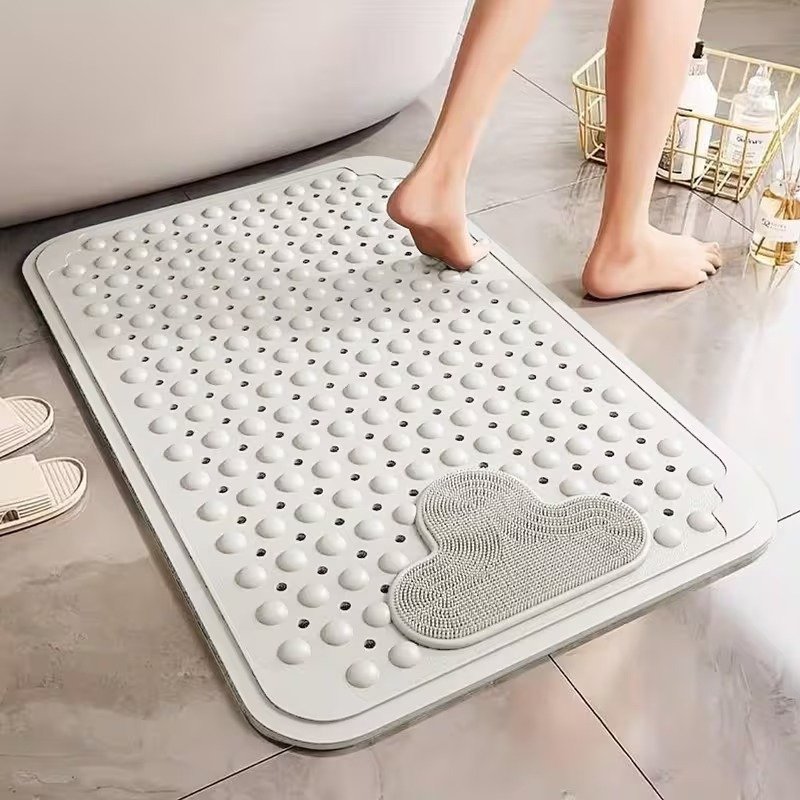
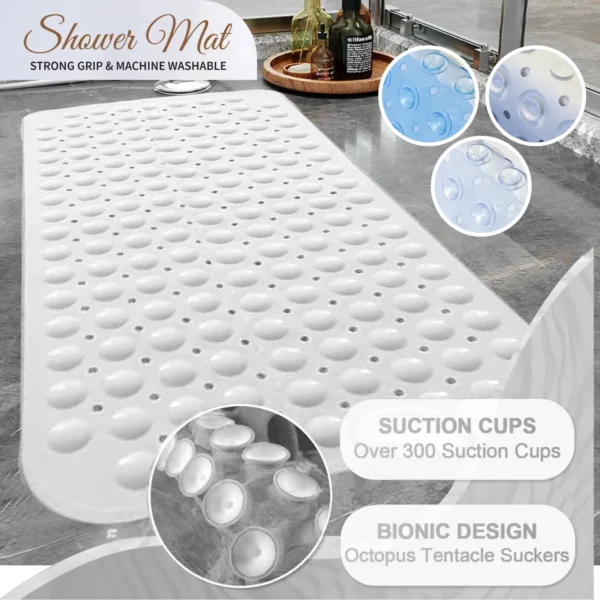
The foundation of a safe shower mat is its ability to anchor itself to the shower tray. This is achieved through suction cups, and their quantity, design, and material are critical. Look for mats with a high density of cups covering the entire underside. Well-designed cups create a powerful vacuum seal that prevents the mat from shifting, even under the pressure of moving water and shifting weight. The effectiveness of these cups makes Strong Suction Shower Mats for Elderly UK a top consideration for anyone serious about bathroom safety.
Textured Surfaces for Enhanced Grip
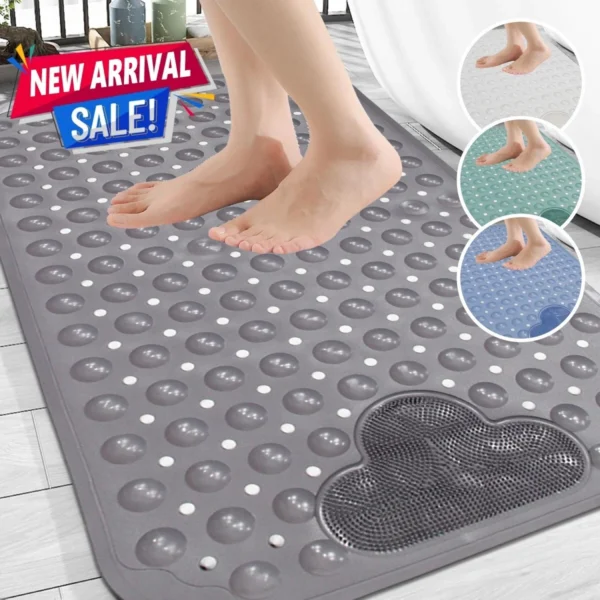
While suction cups secure the mat to the floor, the top surface is what provides grip for the user’s feet. A smooth, wet surface can be just as dangerous as the shower tray itself. The best Textured Surface Shower Mats for Enhanced Grip feature patterns such as raised bubbles, contoured lines, or a loofah-like texture. These designs serve two purposes: they create friction to prevent feet from slipping, and they help channel water away from the standing area.
Effective Drainage Systems
Water pooling on top of a mat can create a risk of aquaplaning, where a layer of water prevents the foot from making contact with the mat’s surface. To combat this, effective Shower Mats with Effective Drainage for Seniors UK are essential. Look for mats with strategically placed drainage holes or deep channels integrated into the textured pattern. This allows water to flow through and away quickly, ensuring the top surface remains as grippy as possible throughout the shower.
Sizing for UK Showers
Bathrooms in the UK often feature a variety of shower tray sizes and shapes, from compact square cubicles (e.g., 760x760mm) to larger rectangular enclosures and quadrant (curved) designs. Proper Shower Mat Sizing for UK Shower Trays is vital for safety. The mat should cover the primary standing area but must not cover the drain, as this can cause water to back up and create a hazard. It also shouldn’t be so large that its edges curl up the sides of the tray, which would break the suction seal and make the mat unstable. Always measure the flat surface of your shower tray before purchasing.
For elderly users who need full bathtub coverage, the Non-Slip Bath Mat 40x100cm is an ideal choice — its elongated shape covers the full tub floor
Advanced Materials & Anti-Mould Solutions for Lasting Safety in UK Climates
The material of a shower mat determines its durability, flexibility, and, most importantly, its hygiene. In the damp UK climate, choosing a material with inherent anti-mould properties is essential for long-term safety and health. A mat that develops mould or biofilm can become slippery and unhygienic.
Material Comparison: TPE vs. Silicone vs. Natural Rubber
Modern materials offer significant advantages over older PVC or basic rubber mats. Understanding the differences is key to making an informed choice.
- TPE (Thermoplastic Elastomer): TPE is a modern, eco-conscious material often described as a blend of plastic and rubber. It’s a highly recommended choice for
Durable TPE/PVC Shower Mats for Seniorsbecause it is naturally resistant to bacteria, free from harmful chemicals like phthalates and BPA, and easy to clean. It offers excellent flexibility and durability without the strong odour associated with some rubber products. Look for a modern, PVC-free option for a safe and hygienic solution. - Silicone: Premium
Silicone Shower Mats for Elderly UKare known for their exceptional durability and temperature resistance. Silicone is naturally inert and highly resistant to the growth of mould and mildew, making it an excellent choice for poorly ventilated bathrooms. It remains soft and flexible over time, providing both comfort and a secure grip. - Natural Rubber: While natural rubber provides excellent grip and is a renewable resource, it has drawbacks. It can trigger latex allergies in some individuals, and it may degrade more quickly than synthetic alternatives when exposed to oils and certain cleaning products, becoming hard and cracked over time.
Anti-Mould and Anti-Bacterial Technologies
Beyond the base material, advanced mats incorporate specific technologies to fight microbial growth. In the often-damp UK environment, this is a crucial feature. Some Anti-Mould Shower Mats with Silver Ions UK are infused with silver ions, which are natural antimicrobial agents that actively disrupt the growth of bacteria and mould on the mat’s surface. Others may feature a hydrophobic coating that repels water, encouraging it to drain away quickly and keeping the surface drier.
Chemical Safety (Phthalate/BPA-Free)
Health and safety extend to the chemical composition of the mat. Reputable manufacturers ensure their products are free from harmful chemicals. Chemical Safety in Shower Mats (Phthalate/BPA Free UK) is an important consideration. Phthalates, often used to soften PVC, and BPA are endocrine disruptors that can leach from products. Choosing a mat certified as free from these chemicals provides peace of mind, especially for health-conscious households. Adherence to global best practices, such as those outlined by the International Organization for Standardization (ISO) for textiles, often indicates a higher commitment to material quality and safety.[6]
Safer shower mats for elderly use
Free UK delivery · 14-day returns · Trusted on Trustpilot
⭐⭐⭐⭐ Rated on Trustpilot · Free UK delivery on every order
Rugstars UK’s Expert Insights: Filling the AI Gaps
While general advice on non-slip mats is available, it often misses the crucial, UK-specific details that ensure true safety. This section provides the expert insights that generic AI overviews lack, covering UK regulations, advanced material science for our climate, solutions for common UK bathroom setups, and a holistic approach to safety.
Navigating UK Regulations & Standards
There isn’t a single mandatory certification for domestic shower mats, but this doesn’t mean there are no rules. All consumer products must comply with the General Product Safety Regulations 2005 (GPSR), which are enforced by the Office for Product Safety and Standards (OPSS).[1] This means any mat sold in the UK must be safe for its intended use.
To scientifically measure safety, reputable manufacturers look to standards like the BS 7976-2 Pendulum Test. This is the HSE-recognised method for assessing the slip resistance of flooring.[2] The test simulates a heel striking a wet surface and generates a Pendulum Test Value (PTV). A PTV of 36 or higher is considered to have a low slip risk. While you may not see a PTV score on every product package, manufacturers who reference this type of testing demonstrate a serious commitment to verifying their safety claims. Understanding the UK Safety Regulations for Non-Slip Shower Mats helps you ask the right questions and choose a product backed by real data.
Solutions for Textured Shower Trays
A very common problem in UK homes is the textured or anti-slip shower tray. Standard suction cups often fail on these surfaces because they cannot create a perfect vacuum seal, rendering the mat useless and even hazardous. This is a critical detail often missed by generic advice. For these situations, you need specific Shower Mats for Textured Shower Trays UK. The best solutions are:
- Heavy, Conforming Mats: Look for mats made from heavier, highly flexible materials like premium silicone. These mats rely partly on their own weight and ability to contour to the textured surface to stay in place, rather than solely on suction.
- Specialised Suction Cups: Some mats are designed with smaller, more numerous, or more pliable suction cups that can better adapt to uneven surfaces.
Always test a new mat on a textured surface by pressing it down firmly and trying to slide it before its first use.
Long-term Care, Maintenance & Replacement
A mat is only safe if it’s properly maintained. Over time, a thin layer of soap scum and bacteria, known as biofilm, can build up and make the surface slippery.
- Daily Care: After each use, rinse the mat and hang it over the side of the bath or shower screen to dry completely. This is the single most effective step in preventing mould.
- Weekly Cleaning: Scrub both sides with a soft brush and a mild bathroom cleaner or a vinegar solution.
- Replacement Signs: A mat is a safety device that wears out. As recommended by safety bodies like RoSPA, you should replace it based on its condition, not a fixed schedule.[3] Look for hardening of the material, cracks, curling edges, or suction cups that no longer grip firmly. Principles on material integrity from bodies like the UK Health and Safety Executive (HSE) also support the need for regular inspection and replacement of worn safety equipment.[5]
A Holistic Approach to UK Bathroom Safety
A shower mat is the foundation, but it is not the entire structure of bathroom safety. To create a truly secure environment, it must be integrated with other aids. Guidance from Age UK consistently recommends a multi-faceted approach.[4] Consider how the mat works with:
- Grab Rails: Professionally installed grab rails provide a stable handhold for entering and exiting the shower.
- Shower Chairs: For those with limited mobility or balance, a shower chair or stool allows for safe, seated bathing.
- Lighting: Good, non-glare lighting is crucial for identifying potential hazards.
By viewing the shower mat as one component in a complete safety system, you create layers of protection that provide comprehensive security and peace of mind.
Frequently Asked Questions
What is the best non-slip shower mat for the elderly?
The best non-slip shower mat for the elderly features strong suction cups, a textured surface for grip, and is made from hygienic, anti-mould material like TPE or silicone. It should also have excellent drainage to prevent water pooling. For UK users, it’s vital to choose a mat that is sized correctly for typical shower trays and meets the principles of UK safety standards for slip resistance.
Are anti-slip mats suitable for seniors?
Yes, anti-slip mats are highly suitable and recommended for seniors as a key measure to prevent falls in the bathroom. According to UK safety bodies like RoSPA, using a securely fastened non-slip mat in the shower or bath is a fundamental step in creating a safer bathing environment.[3] They provide the necessary grip on wet, slippery surfaces, enhancing stability and confidence.
What type of mat should be used in a bathroom to prevent falls?
To prevent falls, you should use a dedicated non-slip shower or bath mat with a powerful suction cup base inside the shower, and an absorbent, non-slip floor mat outside it. The inside mat should be made of a grippy, waterproof material like TPE or silicone. The outside mat should effectively soak up water and have a rubberised backing to prevent it from sliding on the floor.
What are non slip shower trays for disabled people?
Non-slip shower trays for disabled people are trays manufactured with a permanent, textured surface that provides grip even when wet, reducing the need for a separate mat. These are often part of an accessible “wet room” or “walk-in shower” design. While effective, some users add a non-slip mat for extra comfort and perceived security, though care must be taken to ensure the mat can adhere to the textured surface.
How often should shower mats for the elderly be replaced in the UK?
There is no fixed timeline, but UK safety guidance suggests replacing shower mats for the elderly based on wear and tear. You should inspect the mat weekly. Replace it immediately if you notice suction cups losing their grip, the material becoming hard or cracked, edges curling, or if mould cannot be removed. For planning purposes, expect to replace a regularly used mat every 12-18 months to ensure optimal safety.
Are there specific UK safety certifications for non-slip shower mats?
There isn’t a single, mandatory “certification” for domestic shower mats, but they must comply with the General Product Safety Regulations 2005. Reputable manufacturers often test their products for slip resistance using methods outlined in standards like BS 7976-2 (The Pendulum Test).[2] A product that references this type of testing demonstrates a higher commitment to safety.
How do I clean a non-slip shower mat to prevent mould?
To prevent mould, remove the mat from the shower after each use, rinse it with warm water, and hang it to dry completely. Once a week, scrub both sides with a brush using a solution of vinegar and water or a bathroom cleaner. For machine-washable mats, launder on a gentle cycle according to the manufacturer’s instructions to remove soap residue and biofilm.
Can non-slip shower mats be used on textured shower trays in the UK?
Yes, but you must choose the right type of mat. Standard suction cups may not stick to textured surfaces, creating a hazard. Look for mats made from heavy, flexible materials like silicone that contour to the surface, or those with a specialised suction cup design. Always test the mat’s adhesion thoroughly before use to ensure it is secure.
What materials are best for anti-bacterial shower mats in the UK?
Silicone and modern TPE (Thermoplastic Elastomer) are excellent materials for anti-bacterial shower mats in the UK. These materials are naturally resistant to microbial growth. Some advanced mats are also infused with anti-bacterial agents like silver ions, which actively inhibit the growth of mould, mildew, and bacteria in damp bathroom environments.
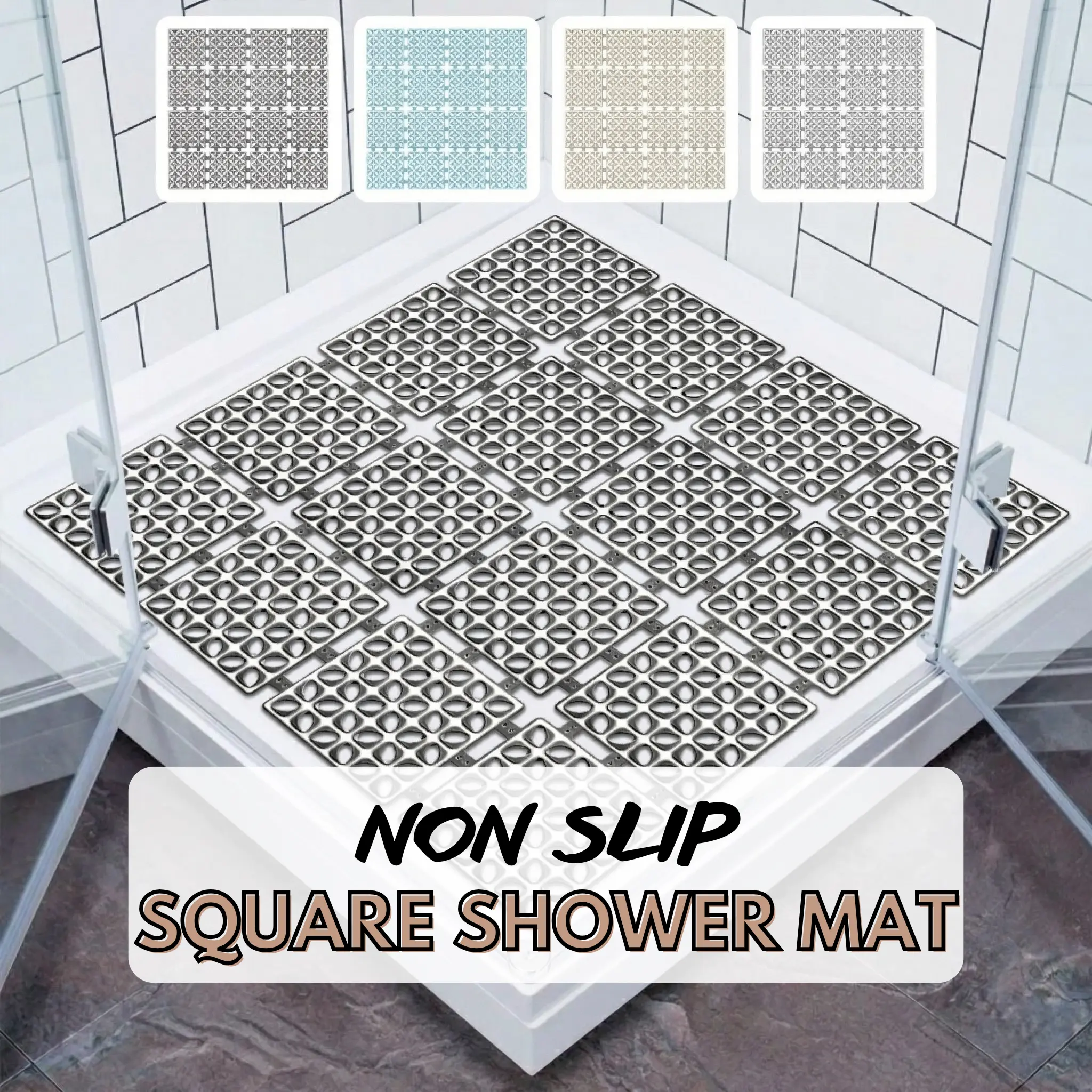
What size shower mat is best for a small UK shower cubicle?
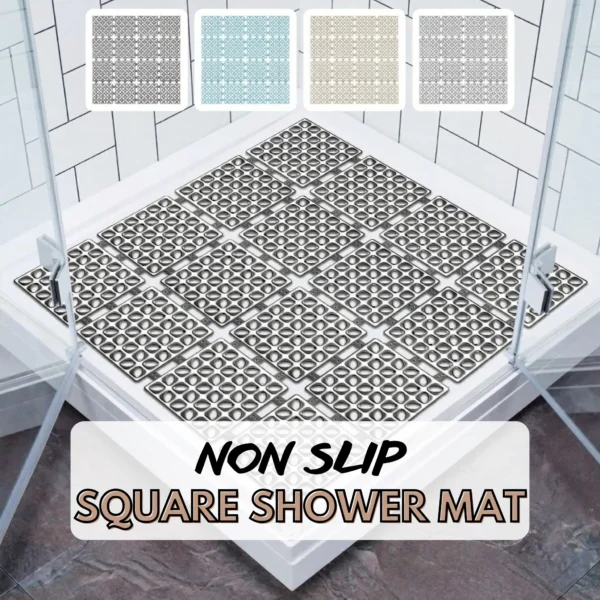
For a small UK shower cubicle, choose a square or quadrant-shaped mat that covers the main standing area without covering the drain or riding up the sides. Measure the flat floor space of your shower tray before buying. A common size for smaller UK showers is around 54 x 54 cm, but it’s essential to select a size that fits your specific tray dimensions for maximum safety.
Do non-slip shower mats help with bathing independence for disabled users?
Yes, absolutely. Non-slip shower mats are a vital aid for bathing independence for many disabled users. By providing a secure and stable surface, they reduce the fear of slipping and falling, allowing individuals to bathe with greater confidence and less reliance on assistance. They are a simple yet highly effective tool for promoting autonomy and dignity in personal care routines.
What are the benefits of shower mats with strong suction cups?
The primary benefit of strong suction cups is stability; they anchor the shower mat firmly to the shower floor, preventing it from shifting or sliding during use. This creates a secure foundation that is essential for preventing slips and falls. A mat with numerous, powerful suction cups will not move, even under shifting weight or flowing water, making it a reliable safety device.
Limitations, Alternatives & Professional Guidance
While highly effective, shower mats have limitations. Their grip can be compromised by soap residue or oils if not cleaned regularly. On some highly textured or re-glazed surfaces, even the best suction cups may not adhere perfectly. A mat is a preventative tool but cannot guard against falls caused by dizziness, loss of balance, or other medical factors. Regular inspection is crucial, as their effectiveness decreases with age and wear.
For those unable to use a mat or who require a higher level of safety, alternatives exist. Permanent adhesive non-slip strips or coatings can be applied directly to the shower tray. For a complete solution, consider installing a purpose-built non-slip shower tray. Furthermore, a shower mat should be seen as part of a system that includes professionally installed grab rails, a shower chair or stool, and adequate, non-glare lighting.
If you are unsure about the best safety solutions for your bathroom, or for individuals with complex mobility needs, we recommend consulting a professional. An Occupational Therapist (OT) can perform a home safety assessment and recommend specific aids and adaptations tailored to individual needs, which may be available through local council support in the UK.
Conclusion
Choosing the right shower mats for elderly users in the UK involves more than just picking a colour. The safest options are built on a foundation of strong suction, effective drainage, a textured surface, and hygienic, mould-resistant materials. By understanding the importance of UK safety principles and selecting a mat designed for longevity and performance, you can significantly reduce the risk of falls and create a safer, more independent bathing environment. Remember that individual needs vary, and the best mat is one that is well-maintained and suited to your specific bathroom.
At Rugstars UK, we are committed to providing high-quality home safety solutions tailored for UK homes. Our selection of non-slip shower and bath mats is curated to meet the highest standards of grip, durability, and hygiene. If you’re looking to enhance bathroom safety for yourself or a loved one, we invite you to explore our range of expertly selected non-slip mats today.
References
- Office for Product Safety and Standards (OPSS) – GOV.UK
- BS 7976-2, Pendulum Testers. (Note: This is a formal British Standard and does not have a single public URL. It is maintained by the BSI Group.)
- RoSPA (The Royal Society for the Prevention of Accidents), Home Safety for Older People
- Age UK, Making Your Home Dementia Friendly
- UK Health and Safety Executive (HSE), Textiles Health and Safety
- International Organization for Standardization (ISO), TC 38, Textiles