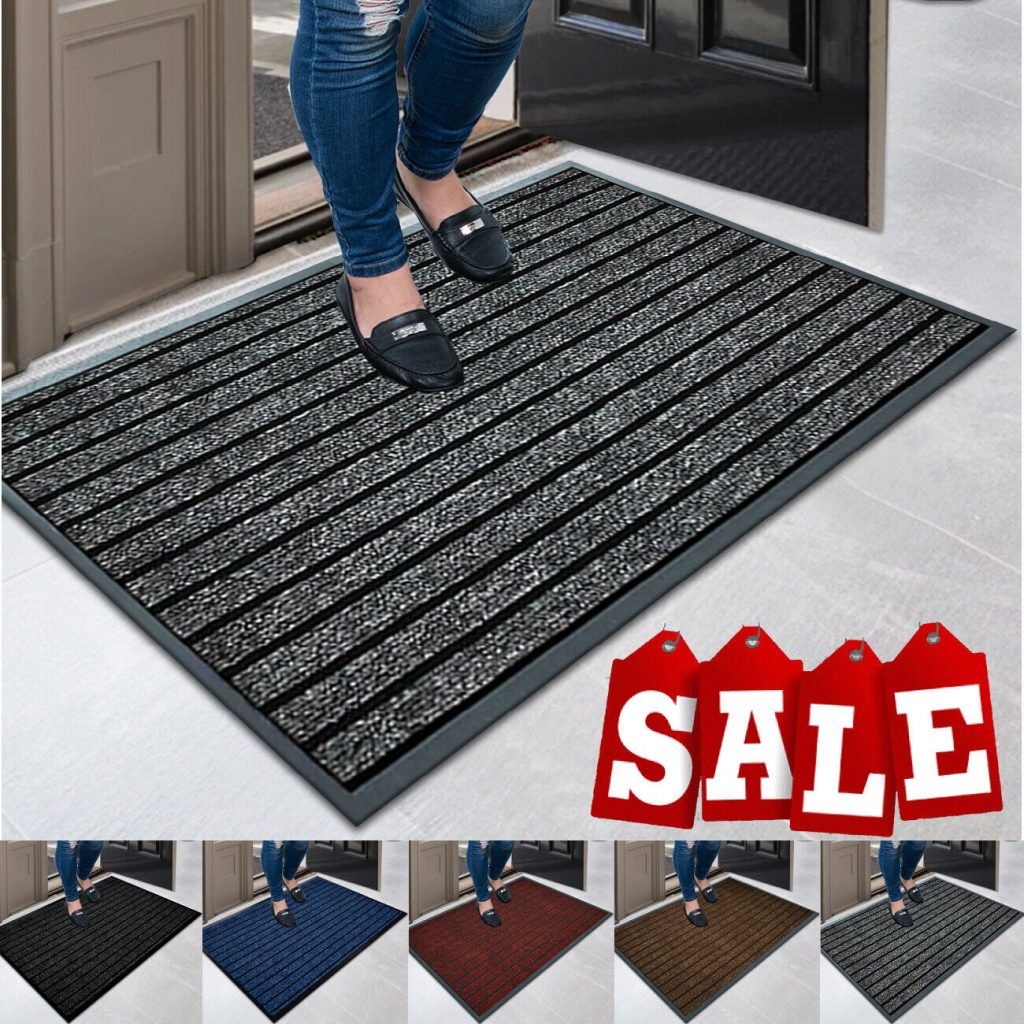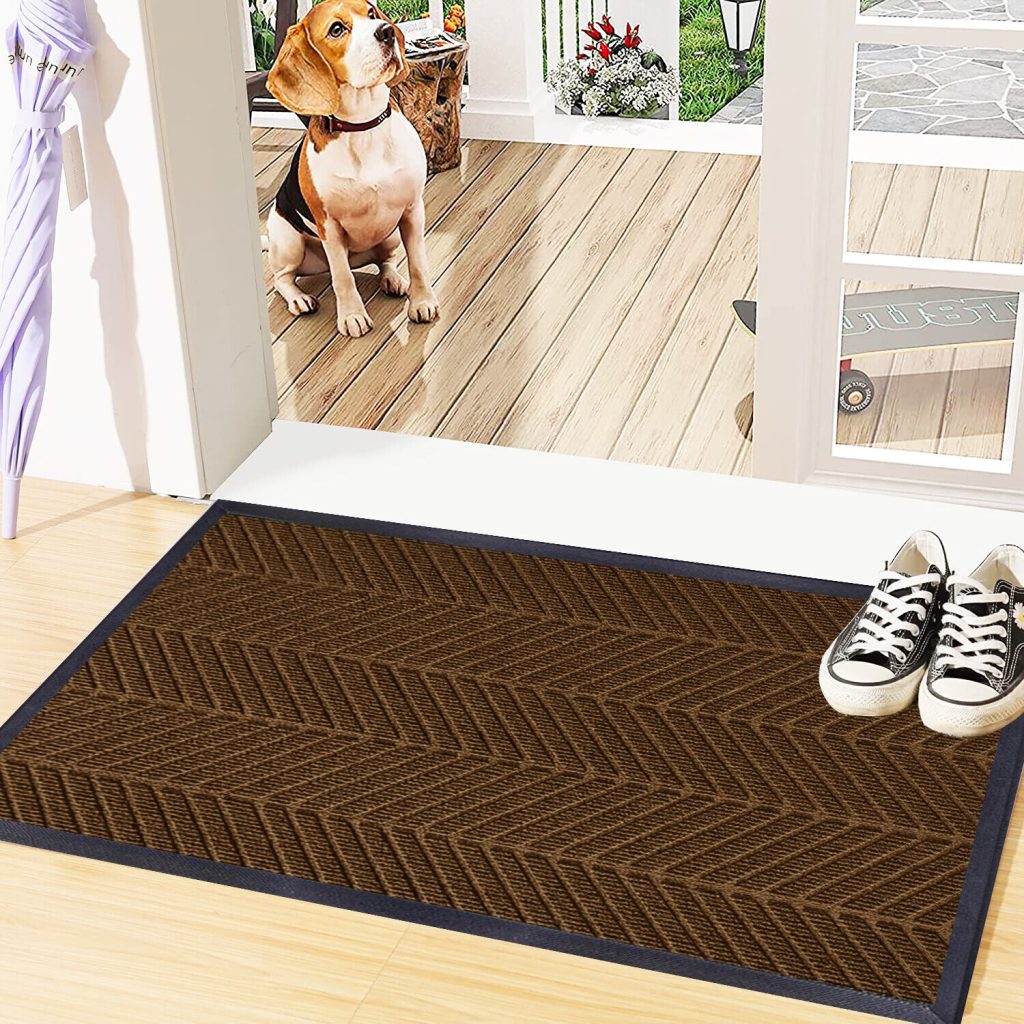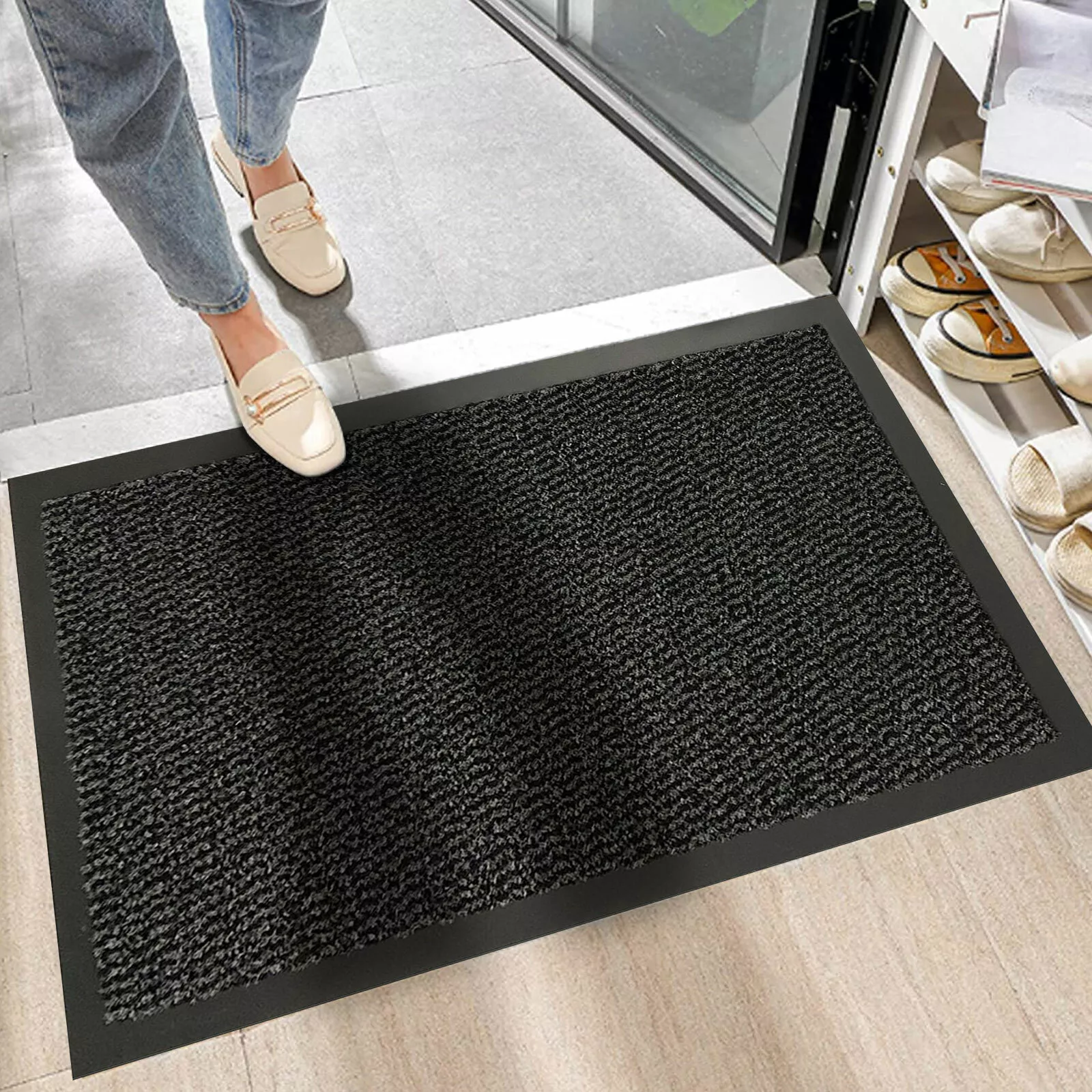
Choosing the right commercial door mats is essential for any UK business. They’re the first line of defence against dirt, moisture, and wear entering your premises and play a crucial role in safety, cleanliness, and customer impressions. With the UK’s famously unpredictable weather—ranging from heavy rain to muddy winter months—investing in the right mats can help maintain hygiene standards, prevent slips, and protect your flooring for years to come.
This 2025 guide will help you navigate the key considerations when selecting commercial door mats, including types, materials, installation, branding, sizing, cost, and maintenance. Whether you operate a retail store, office, or hospitality venue, this advice will help you make an informed decision.
Why the Right Commercial Door Mat Matters in the UK
The UK climate involves frequent rainfall, damp conditions, and mud, which can result in slippery floors and dirt buildup near entrances. Proper commercial mats:
- Improve safety by reducing slip hazards from wet shoes.
- Protect flooring and reduce cleaning costs by trapping dirt and moisture.
- Enhance appearance and leave a professional first impression.
- Provide branding opportunities with customised mats.
- Comply with health and safety regulations requiring safe floor surfaces in public areas.
A high-quality door mat matched to your business needs will balance durability, ease of maintenance, and safety.
Types of Commercial Door Mats
1. Scraper Mats
Ideal for harsh weather, scraper mats remove mud and grime before people enter your premises. Usually made of tough fibres or rubber, these mats feature rigid surfaces to scrape shoes clean effectively.
2. Absorbent Mats
Designed to soak up moisture, these mats often use materials like coir or microfiber to ensure wet shoes don’t create slippery floors. They’re essential during wet weather seasons common across the UK.
3. Combination Mats
Combining scraping and absorbent layers, these versatile mats tackle both dirt and moisture. Combination mats are popular in UK settings with frequent rain as they provide comprehensive entrance protection.
4. Rubber Mats
Rubber mats are robust and skid-resistant, perfect for high-traffic external entrances. Some heavy-duty options feature raised patterns to trap dirt and water while providing durable anti-slip surfaces.
For example, the Non-Slip Heavy Duty Rubber Mat is ideal for commercial settings needing a tough, slip-resistant entrance mat with excellent durability against UK weather conditions.
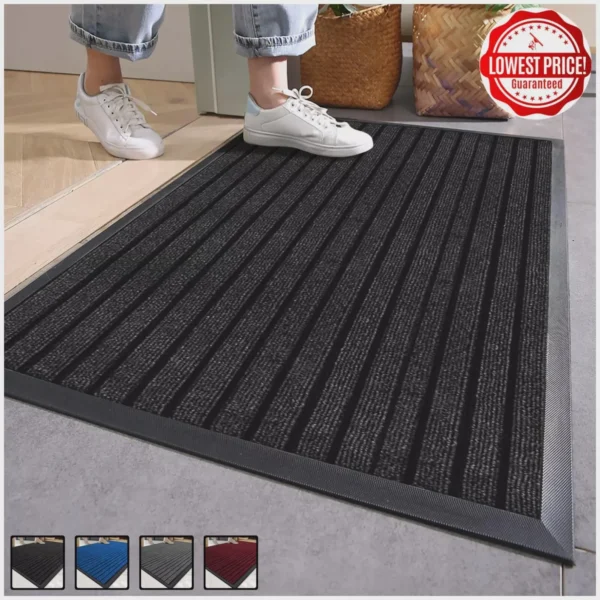
Heavy Duty Barrier Door Mat
Price range: £6.99 through £28.99
Select options
This product has multiple variants. The options may be chosen on the product page
Door Mats
Heavy Duty Dirt Trapper Doormat | Non-Slip & Washable | Rugstars UK
Price range: £6.99 through £9.99
Select options
This product has multiple variants. The options may be chosen on the product page
Door Mats
Non Slip Door Mats | Washable Indoor Outdoor Entrance Mat UK
Price range: £7.43 through £33.99
Select options
This product has multiple variants. The options may be chosen on the product page
Door Mats
Non Slip Heavy Duty Rubber Mat
Price range: £7.49 through £27.99
Select options
This product has multiple variants. The options may be chosen on the product page
Door Mats
Non Slip Rubber Back Door Mat Indoor Outdoor
Price range: £8.99 through £39.99
Select options
This product has multiple variants. The options may be chosen on the product page
Door Mats
Rubber Back Entrance Mat Embossed
Price range: £7.29 through £33.99
Select options
This product has multiple variants. The options may be chosen on the product page
Door Mats
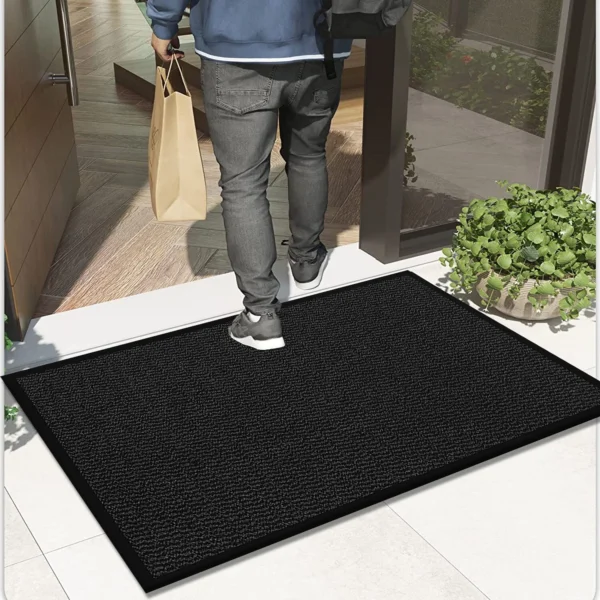
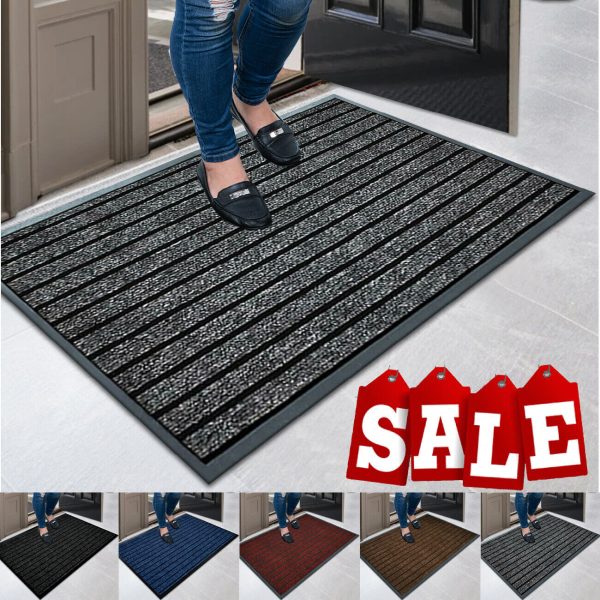
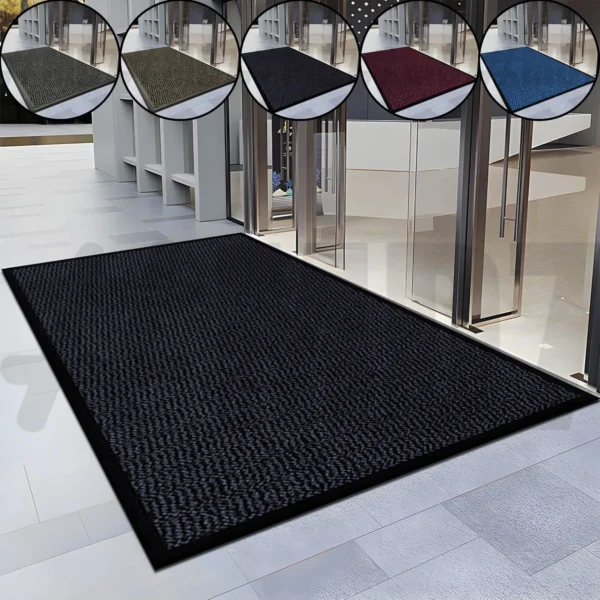


Material Considerations
Selecting the right material is crucial to durability and performance. The table below summarises common commercial door mat materials and their suitability for UK businesses.
| Material | Durability | Weather Resistance | Maintenance | Ideal Use |
|---|---|---|---|---|
| Rubber | High | Excellent | Easy (hose off) | External, heavy usage |
| Coir | Medium | Moderate | Regular shaking | Entrances with less footfall |
| Nylon/Polypropylene | High | Good | Regular vacuuming | Indoors and external mats |
| Microfiber | Low-Medium | Limited | Frequent washing | Internal wet areas |
Rubber mats stand out for UK outdoor use due to their weatherproof nature, non-slip surfaces, and ease of cleaning.
Key Features to Look For
When purchasing commercial door mats, pay attention to these critical features to ensure safety, longevity, and effectiveness:
- Slip Resistance: Mats should meet UK safety standards with non-slip backing or heavy grip surfaces.
- Durability: Choose mats designed to handle your expected foot traffic volume.
- Weatherproof: UV and water-resistant materials are essential to withstand the UK’s often wet and variable climate.
- Ease of Cleaning: Select mats that can be easily shaken, vacuumed, or hosed down depending on material.
- Size & Thickness: Ensure mats cover the entire entrance width and aren’t too thick to impede door operation.
- Backing Material: Rubber or anti-slip backing prevents movement and potential trip hazards.
- Branding Options: Custom printed mats can enhance your brand visibility and customer engagement.
Sizing and Installation
Proper sizing and installation maximise mat performance and safety. Measure your entrance width and depth accurately, aiming for mats large enough to allow two full steps on the mat. This ensures effective dirt removal before stepping onto flooring.
Standard commercial mat sizes range from 60cm x 90cm up to 120cm x 180cm or larger for wider entrances. Outdoor mats often incorporate drainage holes or raised edges to prevent water pooling. Indoor mats typically have firm slip-resistant backings to hold position on tiled or wooden floors without damaging surfaces.
Branding Opportunities
Personalised commercial mats provide a valuable marketing tool while maintaining functionality. Customising mats with logos, slogans, or brand colours increases brand awareness and impresses visitors with a professional appearance. Durable printed mats withstand heavy footfall and weather exposure, making them a lasting advertising option for UK businesses.
Cost Considerations
Commercial door mats vary in price depending on size, material quality, and customisation. Basic mats start around £20, while heavy-duty, branded mats can cost several hundred pounds.
Investing in higher-quality mats with longer lifespans often reduces long-term expenses by lowering replacement frequency and cleaning costs.
Maintenance Tips
- Regularly shake out or vacuum mats to remove accumulated dirt and dust.
- Hose down durable outdoor rubber mats weekly, especially during rainy UK seasons.
- Follow manufacturer cleaning instructions for absorbent fibre mats to maintain water absorption efficiency.
- Promptly replace worn or damaged mats to uphold safety standards and appearance.
Comparison: Waterhog Classic vs DoorGuard Large Outdoor Rubber Door Mat
| Feature | Waterhog Classic | DoorGuard Large Rubber Door Mat |
|---|---|---|
| Material | Polypropylene fibres with rubber backing | Heavy-duty rubber with raised anti-slip pattern |
| Dimensions | Various sizes, typically 90 x 150 cm | Large size, approx. 120 x 180 cm |
| Weather Resistance | Good for indoor covered areas | Excellent outdoor weatherproof durability |
| Slip Resistance | Certified anti-slip backing | Non-slip heavy-duty rubber, ideal for wet UK floors |
| Dirt & Moisture Control | Excellent moisture absorption | Superior scraping and water drainage |
| Ease of Cleaning | Vacuum or shake | Hose down or sweep |
| Branding Options | Optional custom logos | Limited, usually plain black or coloured |
| Price Range | Mid-range (£20-£100) | Slightly higher due to size and durability |
Final Thoughts
Selecting the right commercial door mat in the UK means balancing weather resilience, safety, and appearance while fitting your budget and space. For heavy UK weather and high foot traffic, durable rubber mats like the Non-Slip Heavy Duty Rubber Mat deliver excellent performance and long-term value.
By carefully considering mat types, materials, sizes, and branding, UK businesses can create safer, cleaner, and more inviting entrances in 2025 and beyond.
Invest in quality commercial door mats today to protect your floors, reduce cleaning costs, and keep your customers safe no matter what the British weather brings!
FAQ
What is the best type of commercial door mat for UK weather?
Rubber mats with raised patterns are generally best for UK weather due to their excellent water resistance, durability, and anti-slip properties. Combination mats that offer scraping and absorbency also work well in wet, muddy conditions.
How often should I replace commercial door mats?
This depends on foot traffic and mat quality, but generally, mats should be replaced every 1–3 years. Replace them sooner if they show significant wear, thinning, or reduced slip resistance to maintain safety.
Can I customise commercial door mats with my business logo?
Yes, many suppliers offer custom branding options allowing you to add logos, colours, or slogans on mats. Customisation adds a professional touch and increases brand visibility.
How do I clean and maintain outdoor commercial mats?
Outdoor rubber mats can be hosed down regularly to remove dirt and debris. Fibre mats should be shaken or vacuumed frequently, and sometimes deep cleaned following manufacturer instructions to preserve absorbency.
What size mat should I choose for my commercial entrance?
Select a mat large enough to cover the entire width of the entrance and deep enough to accommodate two full steps of foot traffic, typically between 60cm x 90cm and 120cm x 180cm depending on door size and footfall.