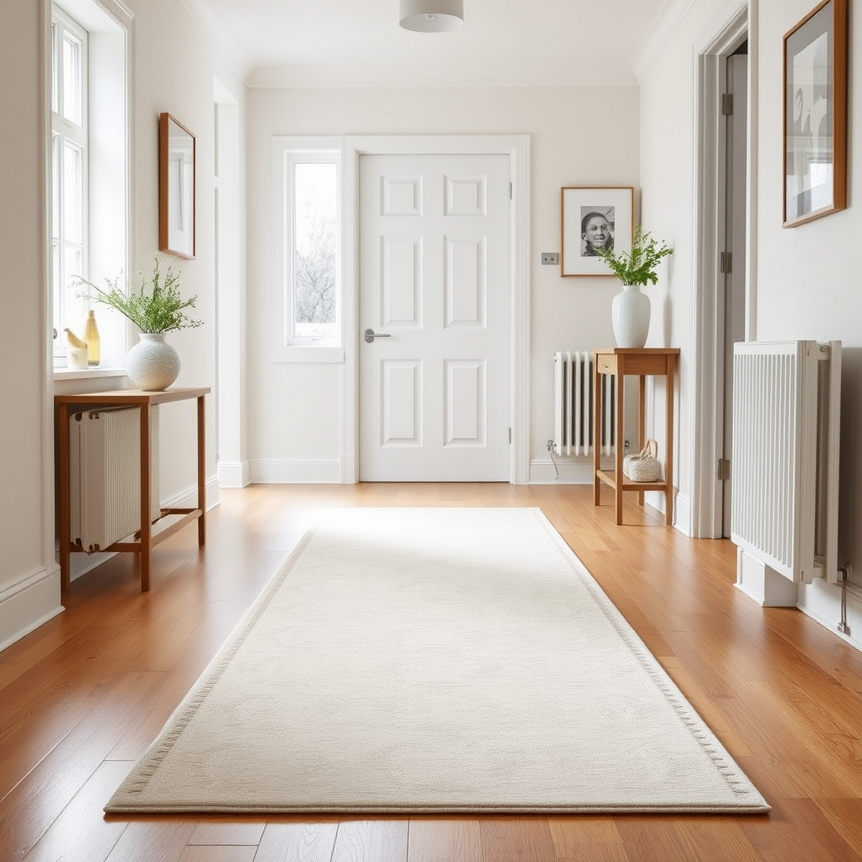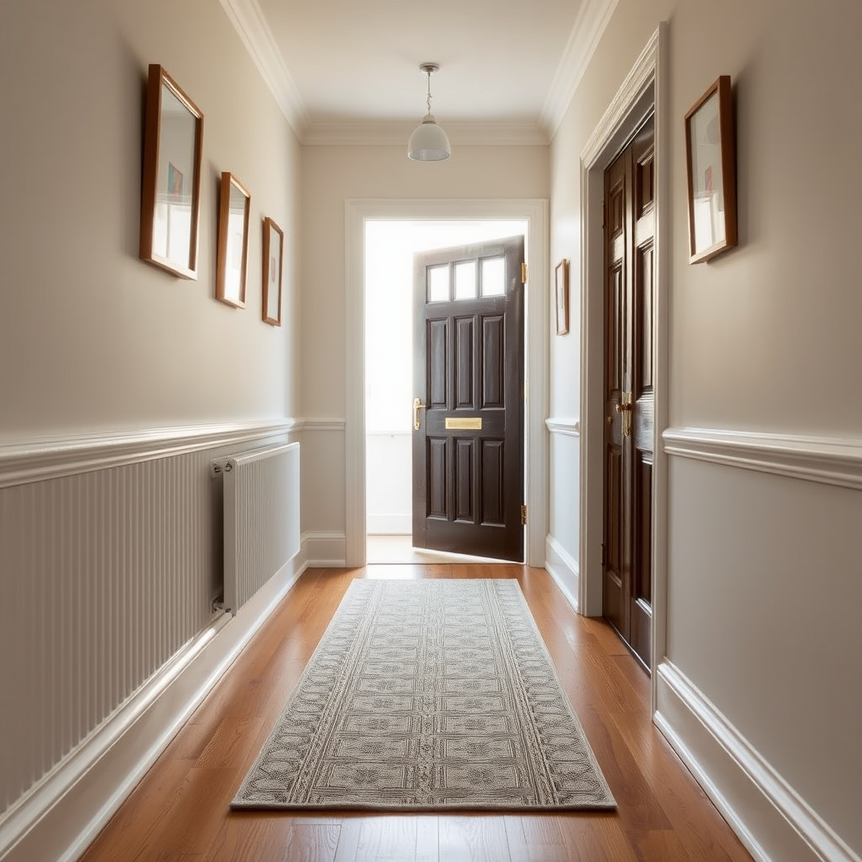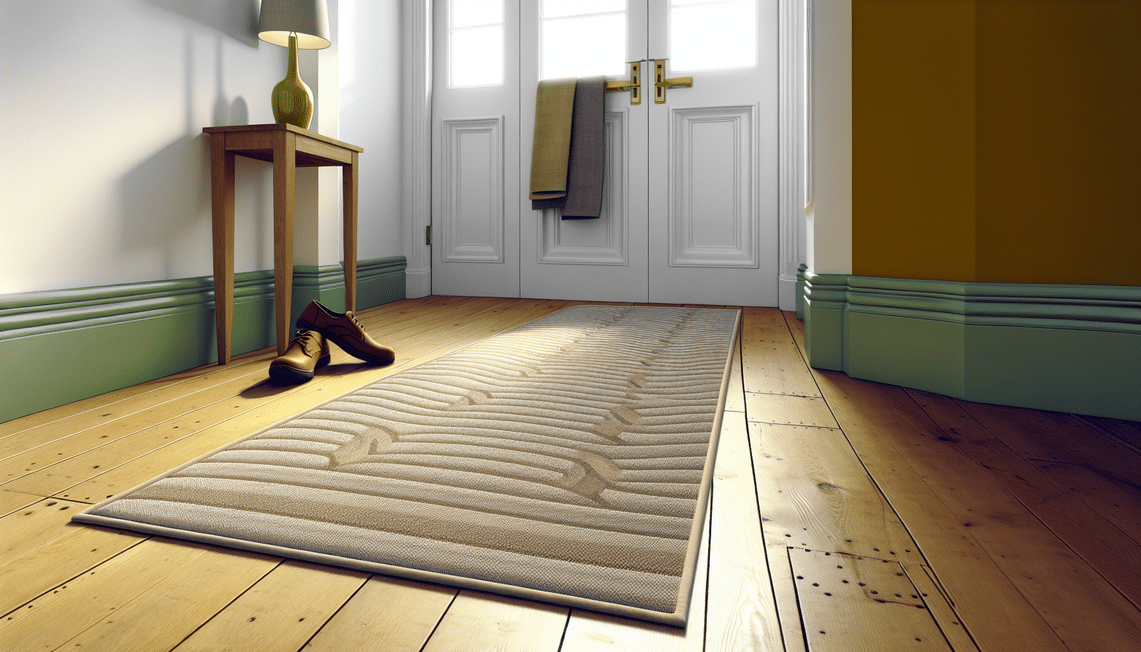
Navigating the world of home décor and safety can sometimes feel like a puzzle, especially when terms like non-skid and non-slip surface. When you’re selecting runner rugs for your hallways, staircases, or high-traffic areas in your UK home, these terms are more than just jargon – they’re critical indicators of safety and stability. Often used interchangeably, both non-skid and non-slip refer to the vital ability of a rug to stay firmly in place, significantly reducing the risk of dangerous slips and falls. For households with young children, elderly family members, or even playful pets, understanding what makes a rug truly secure is paramount for creating a safer, more comfortable living environment.
Non-slip runners that stay put
Free UK delivery · 14-day returns · Trusted on Trustpilot

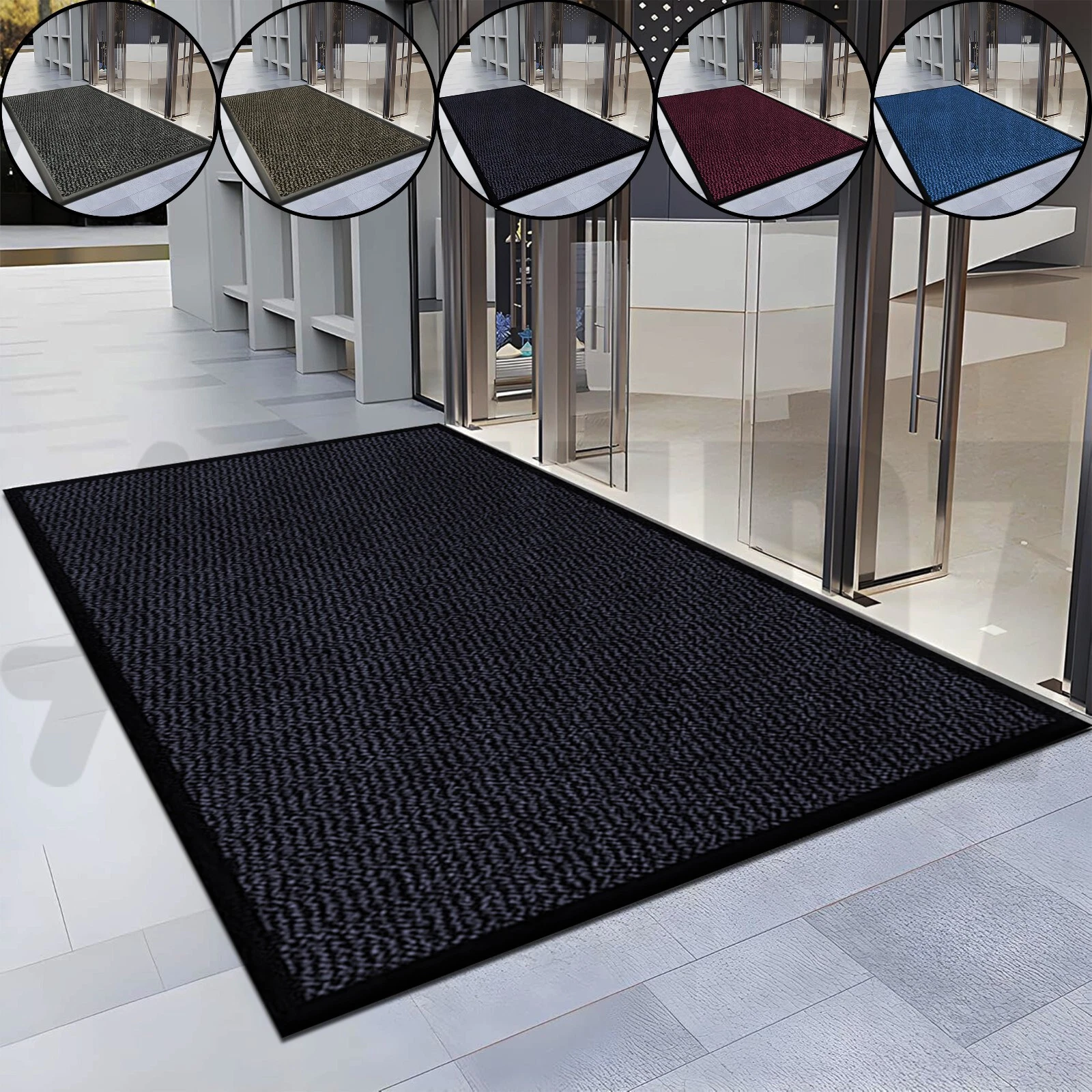
⭐⭐⭐⭐ Rated on Trustpilot · Free UK delivery on every order
Non-Skid vs. Non-Slip: Deciphering the Terminology for Enhanced Home Safety
In the UK home essentials market, the terms non-skid and non-slip are, for all practical purposes, synonymous. They both describe runner rugs and other floor coverings specifically engineered to grip the floor and resist unwanted movement. The core mechanism behind this essential safety feature lies in the special backing materials used, such as natural rubber, PVC, or latex. These materials are designed to create a high level of friction against the underlying floor surface, effectively anchoring the rug. This is particularly crucial for elongated hallway runners and stair runners, which, unlike area rugs, often cannot be secured by furniture and are constantly subjected to foot traffic. Choosing a runner with reliable anti-skid backing is a straightforward yet highly effective way to safeguard your family and visitors, transforming potential trip hazards into secure, stylish pathways throughout your home.
The Science of Stability: Unpacking Anti-Skid Backing Materials and Rug Construction
The secret to a truly secure runner rug lies in its construction, particularly the type of backing material and how it interacts with your flooring. These specialized backings are engineered to maximise friction, preventing the rug from shifting or sliding underfoot. Understanding these materials can help you make an informed choice:
| Backing Material | Characteristics | Best Flooring Surface |
|---|---|---|
| Natural Rubber | Durable, flexible, excellent grip. Resistant to cracking. | Hardwood, tile, laminate, vinyl |
| Latex | Cost-effective, moderate to good grip. Can degrade over time. | Hard floors |
| PVC (Polyvinyl Chloride) | Affordable, textured for slip resistance. Durable. | Hard floors |
| Felt-Rubber Combination | Soft cushioning with enhanced grip. | Carpet and hard floors |
Each of these materials is chosen for its ability to create mechanical resistance or a vacuum-like seal against the floor, effectively anchoring the rug. The backing can be a distinct layer or seamlessly integrated. Beyond the backing, the overall construction of the runner rug plays a significant role. Tightly woven, dense fibres and robust edges are crucial in preventing the rug from curling at the corners or bunching up in the middle, both common causes of trip hazards. A well-constructed rug, combined with a superior anti-skid backing, offers reliable long-term safety and performance.
More Than Just Style: Why Anti-Skid Runner Rugs are Indispensable for UK Homes
In the bustling environment of a modern UK home, runner rugs often find themselves in the most high-traffic zones: hallways, entryways, and staircases. These areas are constantly subjected to footfall, and without proper securing, even the most beautiful rug can become a serious safety hazard. The inherent design of anti-skid runner rugs addresses this challenge head-on, offering a multitude of benefits that extend far beyond mere aesthetics.
The primary advantage is, undeniably, safety. A conventional runner, lacking an effective anti-skid backing, can easily slip or shift underfoot, especially on smooth surfaces like hardwood, laminate, or tiled floors. This creates a significant risk of slips and falls, which can lead to painful injuries. For families with energetic young children who love to run, elderly residents whose mobility might be compromised, or even playful pets, this risk is magnified. Installing secure hallway runners or stair runners with reliable grip provides invaluable peace of mind, allowing everyone to move freely and safely throughout the home.
Beyond immediate physical safety, these rugs offer practical benefits. They protect your valuable flooring from wear and tear, absorb sound in busy corridors, and add a layer of warmth and comfort. Furthermore, for homeowners who frequently welcome guests, having secure floor coverings can even mitigate potential injury liability, ensuring a safe and welcoming environment for all. Investing in non-slip runner rugs is a proactive step towards creating a more secure, comfortable, and well-maintained home.
The Perfect Match: Selecting Your Non-Slip Runner Based on Flooring Type
The effectiveness of an anti-skid runner rug isn’t solely dependent on its backing; the type of flooring it rests upon plays an equally crucial role. Different backing materials are engineered to perform optimally on specific surfaces, ensuring maximum grip and stability.
- Hard Surfaces (Wood, Laminate, Tile, Vinyl): For smooth, hard floors, backings made from natural rubber or PVC are ideal. Natural rubber, in particular, excels due to its inherent elasticity and ability to create strong friction against non-porous surfaces. These materials effectively ‘grip’ the floor, preventing any unwanted sliding or movement, which is essential for busy hallways or kitchens.
- Carpeted Floors: When placing a runner rug on carpet, the challenge is different. The backing needs to grip the fibres of the carpet rather than the hard subfloor. Traditional non-slip backings, designed for smooth surfaces, may struggle to adhere effectively. In these instances, a dedicated rug pad is often the best solution. Look for rug pads specifically designed for carpets, typically featuring a felt-rubber combination or a waffle-like texture that interlocks with the carpet fibres while providing a grippy base.
By accurately assessing your flooring type, you can make a more informed decision, choosing a non-slip runner or complementary rug pad that guarantees stability, comfort, and enhanced safety in every corner of your home.
Maximising Security: The Role of Rug Pads and Washable Non-Slip Options
While many non-slip runner rugs come with integrated backings, there are scenarios where additional measures can significantly enhance grip and performance. Rug pads are an unsung hero in home safety and rug longevity, serving multiple purposes beyond just preventing slips.
Benefits of a quality rug pad:
- Superior Traction: Provides an additional layer of friction, ensuring the runner stays firmly put.
- Added Cushioning: Adds a plush feel underfoot, enhancing comfort.
- Floor Protection: Shields hard flooring from scratches and abrasion.
- Rug Longevity: Reduces movement and absorbs impact, extending the rug’s life.
- Noise Reduction: Helps to dampen sound in busy corridors.
Popular rug pad options:
- Natural Rubber Pads: Excellent for hard floors, often non-toxic and provide robust, long-lasting grip.
- Felt-Rubber Pads: Versatile choice, offering a good balance of cushioning and grip for both hard surfaces and carpets.
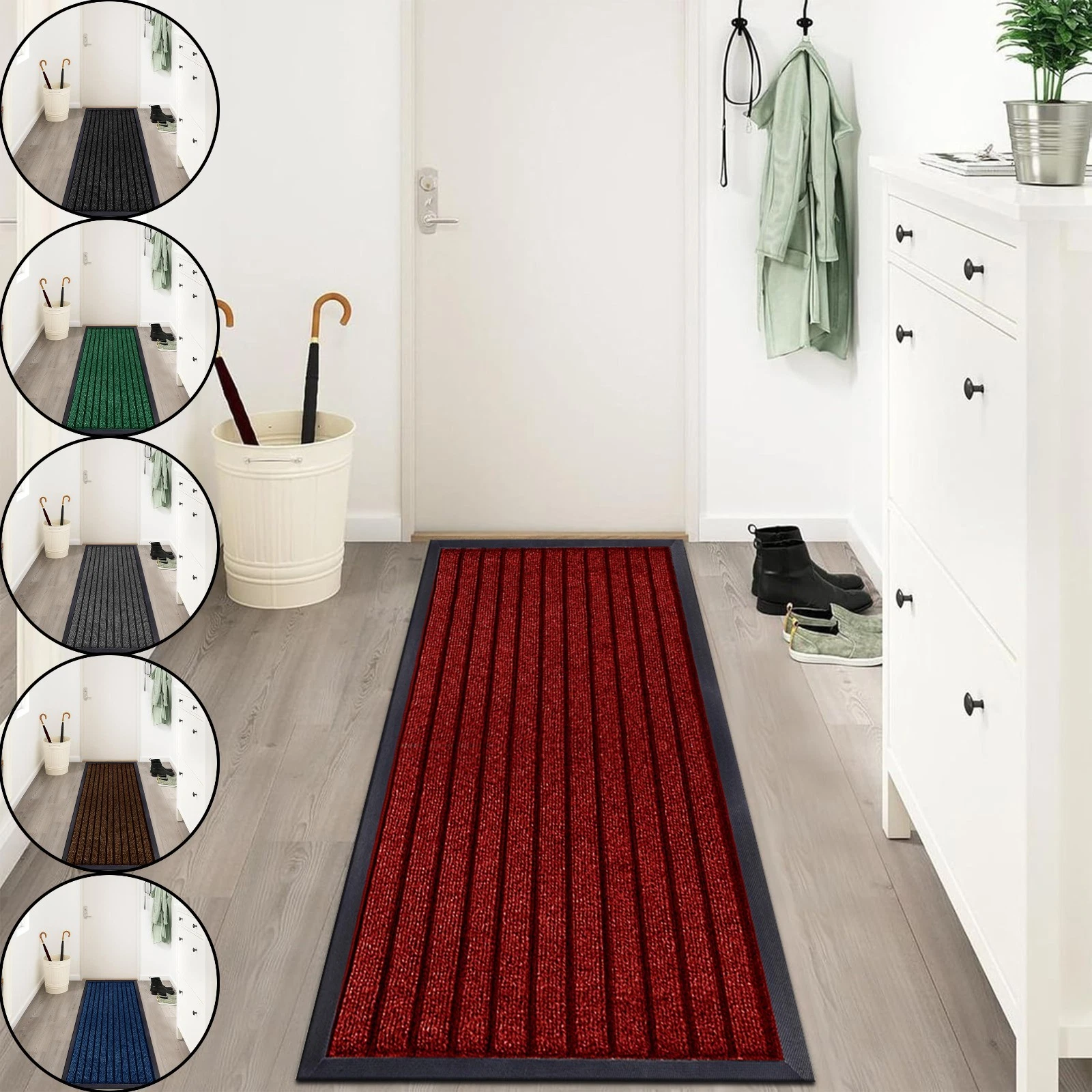
In recent years, the convenience of washable runner rugs with anti-skid backing has surged in popularity among UK homeowners. These innovative rugs offer the perfect blend of easy maintenance and reliable safety. Ideal for kitchens, entryways, or family rooms where spills and dirt are common, washable options allow for effortless cleaning without compromising their non-slip properties. When considering a washable runner, always verify that the manufacturer guarantees the backing’s integrity and effectiveness after laundering. For a blend of practicality and safety, consider options like the Non Slip Hallway Runner Rug Door Mat from Rugstars, designed to offer superior grip and easy care, making it an ideal choice for busy households.
Beyond Safety: Selecting Your Ideal Non-Skid Runner for UK Homes
Choosing the perfect non-skid runner rug goes beyond just its anti-slip properties; it’s about finding a piece that seamlessly integrates into your home’s aesthetic while providing optimal functionality and durability. Here are key considerations for UK homeowners:
- Size and Placement: Accurately measure the area where the runner will be placed. Ensure it provides adequate coverage without creating excess overhang that could curl or become a trip hazard. Position your hallway runners in areas of highest foot traffic and greatest slip risk.
- Backing Visibility and Texture: Always inspect the underside of the rug. A visible, coarse-textured backing or clear indication of embedded non-slip backing from a reputable manufacturer is crucial for grip capabilities.
- Material Quality and Durability: High-quality fibres combined with a durable backing contribute significantly to the rug’s longevity and consistent grip. A well-made runner will resist crushing and maintain its anti-skid properties.
- Design and Aesthetics: Your runner rug should also enhance your home’s interior design. Consider patterns, colours, and textures that complement your existing decor.
- Ease of Maintenance: For busy areas, consider how easy the rug is to clean. Washable runner rugs offer immense convenience.
By carefully balancing these practical and aesthetic factors, you can select a non-slip runner that not only remains firmly in place, protecting your family, but also elevates the style and comfort of your living space.
Ensuring Lasting Safety: Maintenance Tips for Your Anti-Skid Runner Rug
Even the highest quality non-skid runner rug requires regular care to maintain its crucial safety features. Proper maintenance ensures that the anti-skid backing remains effective and the rug continues to protect your home from slips and falls for years to come. Here are essential tips for longevity:
- Regular Cleaning: Dirt, dust, and debris can accumulate, reducing grip. Regularly vacuum the rug surface and periodically lift and vacuum the floor beneath it.
- Prompt Spot Cleaning: Address spills immediately. Blot spills rather than rubbing, and use appropriate rug cleaners. Avoid prolonged moisture on the backing.
- Follow Manufacturer’s Washing Guidelines: If you have a washable runner rug, adhere strictly to the care instructions. Harsh treatments can damage the non-slip backing.
- Inspect for Wear and Tear: Regularly check your hallway runners and stair runners for signs of wear like curling edges or backing degradation. If compromised, it’s time to replace or reposition to eliminate trip hazards.
- Avoid Direct Sunlight: Prolonged exposure to direct sunlight can cause some backing materials to degrade.
By dedicating a little time to consistent upkeep, you ensure that your non-skid runner rug remains a reliable and safe addition to your UK home, providing both style and security.
Non-slip runners that stay put
Free UK delivery · 14-day returns · Trusted on Trustpilot
⭐⭐⭐⭐ Rated on Trustpilot · Free UK delivery on every order
Final Thoughts on Choosing Your Safe and Stylish Runner Rug
Demystifying the terms non-skid and non-slip is the first step towards creating a safer, more stable home environment. By understanding the critical role of different backing materials and rug construction, and by making informed choices based on your flooring type and lifestyle, you can confidently select runner rugs that offer both exceptional safety and undeniable style. Investing in high-quality anti-skid runner rugs, along with proper installation and consistent maintenance, is a simple yet profoundly effective way to prevent slips and falls, protect your family, and enhance the overall comfort and beauty of your UK home. Prioritise safety without compromising on design, and enjoy the peace of mind that comes with a secure and inviting living space.
Frequently Asked Questions About Non-Skid and Non-Slip Runner Rugs
- Q1: Are non-skid and non-slip runner rugs truly the same?
- Yes, in the context of runner rugs for home use, these terms are generally interchangeable. Both refer to rugs specifically designed with special backing materials to prevent sliding and enhance safety, reducing the risk of slips and falls.
- Q2: Can I use a non-slip runner rug effectively on carpeted floors?
- While most integrated non-slip backings perform best on hard surfaces, you can still use a runner on carpet. However, for optimal grip and stability on carpeted floors, it’s highly recommended to use a dedicated rug pad, such as a felt-rubber combination, designed to interlock with carpet fibres.
- Q3: Do washable non-skid runners retain their grip after multiple washes?
- Quality washable runner rugs are specifically engineered to maintain their anti-skid backing properties even after repeated laundering. To ensure longevity and continued effectiveness, always follow the manufacturer’s care instructions regarding washing and drying.
- Q4: What’s the best way to choose the right size runner for a UK hallway?
- Measure the length and width of your hallway accurately. Your hallway runner should typically leave a few inches of flooring visible on either side and at the ends to create a framed look and prevent curling. Avoid runners that are too long or wide, which can become trip hazards.
- Q5: How often should I consider replacing my anti-skid runner rug?
- The lifespan of a non-slip runner depends on traffic and care. You should consider replacement when the anti-skid backing visibly degrades (e.g., cracks, peels), the rug’s edges start to curl persistently, or if it no longer stays securely in place, indicating a compromised grip.