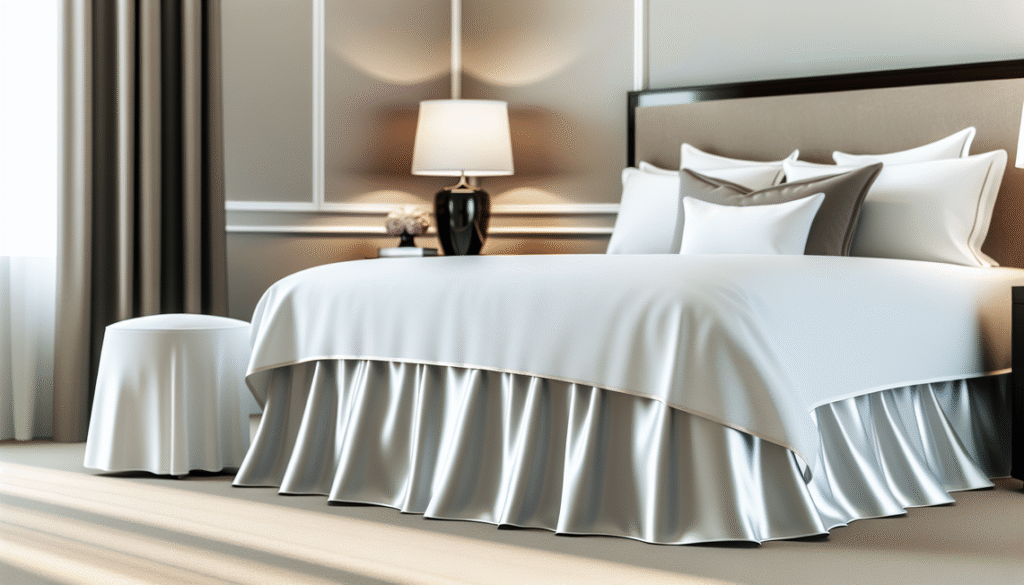
Fitted valance sheets are a stylish and practical bedding choice, especially popular for divan beds and ottoman storage beds. However, proper fitted valance sheet care is essential to keep them looking fresh, hygienic, and in great shape for years to come. In this comprehensive guide, Rugstars UK shares expert advice on everything from washing and stain removal to drying and storage — all tailored specifically for UK homes, ensuring your bedding essentials remain pristine.
Understanding Fitted Valance Sheets: What They Are and Why Proper Care Matters
What Are Fitted Valance Sheets?
Fitted valance sheets are designed with elasticated edges and extra fabric depth to fit snugly over beds with built-in storage or divans. Unlike ordinary fitted sheets, the valance option extends down the sides of the mattress, covering the base and giving a neat, tailored look without the need for a separate bed skirt, enhancing your bedroom aesthetics.
Common Materials and Their Care Differences
- Cotton: Breathable and soft, cotton fitted valance sheets are durable but may wrinkle and shrink if improperly washed.
- Polyester and Microfibre: Easy-care and stain-resistant, these synthetics dry quickly but may pill or fade without proper care.
- Cotton-Polyester Blends: Offer a balance between comfort and durability, requiring moderate care.
- Linen: Luxuriously breathable but delicate; linen sheets require gentle handling for lasting elegance.
Each fabric type calls for different washing temperatures, detergents, and drying methods — which we’ll explore in detail to ensure optimal fitted valance sheet care.
Benefits of Proper Care
- Extended Lifespan: Following recommended washing and drying routines prevents premature wear and elastic deterioration, ensuring your valance sheets last longer.
- Maintained Appearance: Proper care preserves colour vibrancy and prevents fabric pilling or shrinking, keeping your bedding looking fresh.
- Enhanced Hygiene: UK homes often experience moderate to high humidity, increasing the risk of dust mite accumulation. Regular, correct washing reduces allergens, supporting allergy-sensitive users and promoting a healthier sleep environment.
Why Rugstars UK Recommends Attentive Maintenance
At Rugstars UK, we specialise in quality bedding and understand that your fitted valance sheets are an investment in comfort and aesthetics. Careful maintenance helps you protect this investment, ensuring your bedding remains hygienic, comfortable, and visually appealing throughout its life. For premium quality, consider our range of durable fitted valance sheets designed for longevity and style.
Preparing Your Fitted Valance Sheets for Washing
Interpreting UK Care Labels
Always check the manufacturer’s care label before washing, as these provide crucial guidance for effective fitted valance sheet care:
- Washing symbols: Indicate maximum temperatures and washing methods (e.g., machine wash, hand wash).
- Bleaching symbols: UK standards generally discourage bleach on coloured sheets to prevent damage and fading.
- Drying symbols: Specify whether tumble drying is allowed and at what temperature.
- Ironing symbols: Recommend heat settings based on fabric type, helping you achieve a crisp finish.
Understanding these instructions is crucial for selecting the correct wash cycle and avoiding damage to your valuable bedding.
Sorting Sheets by Colour, Fabric, and Soil Level
- Separate whites from colours to prevent dye transfer and maintain vibrancy.
- Wash delicate fabrics like linen separately from sturdier cotton or polyester blends to protect their integrity.
- Heavily soiled sheets warrant a pre-soak or a separate wash cycle for thorough cleaning.
- Consider water hardness in your area; some UK regions have hard water, which affects detergent efficiency and may require additives for optimal cleaning results.
Essential Pre-Wash Checks
- Zip or fasten any closures to avoid snagging during washing.
- Inspect seams and elastic for loose threads or damage, repairing them promptly to prevent further deterioration.
- Turn sheets inside out where possible to protect fabric surfaces and maintain their appearance.
Step-by-Step Washing Guide Tailored for UK Homes
Achieving pristine fitted valance sheets requires adherence to specific washing guidelines. Use this table as your go-to reference for different fabric types:
| Fabric Type | Recommended Washing Temp | Detergent Type | Machine Setting | Additional Tips |
|---|---|---|---|---|
| Cotton | 40°C to 60°C | Standard or sensitive | Gentle cycle, medium spin | Avoid overloading; soak stains first for best results. |
| Polyester / Microfibre | 30°C to 40°C | Mild, liquid detergent | Delicate cycle, low spin | Cold water recommended for delicates to prevent pilling. |
| Cotton-Polyester Blend | 40°C | Standard detergent | Gentle cycle | Avoid fabric softeners, which can reduce absorbency over time. |
| Linen | Cold to 30°C | Wool or delicate detergent | Hand wash or delicate cycle | Avoid high spin to reduce creasing and protect fibres. |
Detergent Selection for UK Water Conditions
- Hard water areas: Use detergents with built-in water softeners or add a water conditioner to enhance cleaning power and prevent mineral buildup on your sheets.
- Soft water areas: Opt for milder, eco-friendly detergents to prevent fibre damage and ensure gentle cleaning.
Washing Delicate Fitted Valance Sheets Safely
Cold washes are generally gentler on elasticated edges and delicate fibres, helping maintain the fit and softness of your fitted valance sheets. For extra protection, especially for finer fabrics, consider using mesh laundry bags to shield them from friction and potential snags during the wash cycle.
Tackling Stains and Specialized Cleaning Needs
Stains happen, but with the right approach, your fitted valance sheets can look as good as new. Here’s how to manage common culprits:
Common Stains & Removal Techniques
- Oil-based stains (e.g., body lotion): Pre-treat with a gentle stain remover or a small amount of dish soap before washing.
- Sweat and body oils: Use enzymatic detergents and soak the affected areas in cool water before the main wash.
- Food or drink spills: Blot immediately with a clean cloth (do not rub!) and pre-treat with an appropriate stain remover.
Safe Stain Removal Products Suitable for UK Homes
- Enzymatic stain removers (designed for cool wash temperatures) are effective on organic stains.
- Oxygen-based bleaches (colour-safe alternatives) can lift stains without damaging fabric colour.
- Natural remedies like white vinegar or baking soda are excellent for mild stains and general freshening.
When to Seek Professional Cleaning
For persistent stains or extremely delicate, expensive fabrics such as high-grade linen or speciality blends, professional laundering is advisable. Experts ensure careful stain treatment without damage, preserving the quality of your valance sheets.
Drying, Ironing, and Storage Best Practices
Proper post-wash care is just as crucial for maintaining the longevity and appearance of your fitted valance sheets.
Drying Correctly to Prevent Damage
- Air-Drying: This is the best method, especially for cotton and linen, as it prevents shrinking, fabric stress, and helps maintain elasticity. Hang your sheets in a well-ventilated UK room, or outdoors on a breezy day, away from direct harsh sunlight to avoid fading.
- Tumble Drying: If using a tumble dryer, select a low heat setting to protect fibres and elastic. Remove sheets promptly while slightly damp to reduce wrinkles and avoid over-drying, which can lead to stiffness.
Ironing Guidelines
For a crisp, hotel-like finish, follow these ironing tips:
| Fabric Type | Iron Temperature | Precautions |
|---|---|---|
| Cotton | Medium to high | Iron while slightly damp for easier wrinkle removal. |
| Polyester / Microfibre | Low | Use a pressing cloth to prevent shine marks and protect the fabric. |
| Linen | High | Iron on the reverse side while still damp to smooth out creases effectively. |
Folding and Storage Tips
- Fold fitted valance sheets carefully to preserve elastic edges and prevent stretching.
- Store completely dry sheets in breathable fabric bags or cotton pillowcases. This allows air circulation and protects them from dust.
- Avoid plastic storage containers that trap moisture, as this can encourage mildew growth and fabric deterioration, especially in variable UK climates.
Troubleshooting Frequent Issues with Fitted Valance Sheet Care
Even with the best intentions, problems can arise. Here’s how to address common issues to ensure your fitted valance sheets remain in top condition:
| Issue | Cause | Solution |
|---|---|---|
| Colour Fading | Excessive heat during washing/drying or harsh detergents. | Use cold washes; choose colour-safe detergents and air-dry when possible. |
| Fabric Pilling | Friction from machine agitation or poor-quality fibres. | Wash on a delicate cycle; turn sheets inside out; use a fabric shaver to remove existing pills. |
| Loose Elastic | Overstretching, high heat damage, or age. | Temporarily secure with safety pins or, for a more permanent fix, replace the elastic if possible. |
| Shrinkage & Stiffness | High temperature washing/drying cycles. | Rewash in cool water with a gentle fabric conditioner to help relax fibres; air-dry to prevent further shrinkage. |
Recommended Washing Frequency and Maintenance for UK Homes
Maintaining a healthy and comfortable sleep environment is paramount. Here are our recommendations for keeping your fitted valance sheets fresh:
- Regular use: Wash every 1-2 weeks to significantly reduce dust mite populations and allergens, which are particularly prevalent in humid UK climates. This ensures optimal hygiene and freshness.
- Less frequent use: For guest beds or occasional use, wash at least every 4-6 weeks to prevent dust accumulation and keep them ready for visitors.
- Seasonal care: Before storing valance sheets for low use periods, wash and dry them thoroughly. This prevents mildew, musty odours, and keeps them fresh for the next season.
- Responsible habits: Invest in quality sheets like those from Rugstars UK. Proper care and regular rotation ensure even wear, extending the life of your bedding and protecting your investment.
Quick Comparison: Fitted Valance Sheet Materials and Care Needs
To help you make informed decisions about your bedding, here’s a concise comparison of common fitted valance sheet materials and their specific care requirements:
| Material | Durability | Ease of Care | Washing Temp | Drying Method | Ironing Need |
|---|---|---|---|---|---|
| Cotton | High | Moderate | 40°C-60°C | Air dry/Tumble low | Medium to High |
| Polyester/Microfibre | High | Easy | 30°C-40°C | Tumble low/Air dry | Low |
| Cotton Blend | High | Easy to Moderate | 40°C | Air dry/Tumble low | Medium |
| Linen | Moderate | Delicate | Cold-30°C | Air dry | High |
Frequently Asked Questions (FAQs) About Fitted Valance Sheet Care
Here are answers to common questions about maintaining your fitted valance sheets for optimal longevity and hygiene:
Q1: Can I use bleach on fitted valance sheets?
Bleach is generally not recommended, especially for coloured or delicate fabrics, as it can cause fading and damage. Opt for oxygen-based or colour-safe stain removers as safer alternatives for effective fitted valance sheet care.
Q2: How do I prevent my fitted valance sheet from losing elasticity?
To preserve the elasticity of your fitted valance sheets, avoid high heat during washing and drying. Always use a low heat setting in the tumble dryer or, even better, air-dry. Additionally, try not to overstretch the sheet when making the bed.
Q3: Is it okay to machine wash fitted valance sheets every week?
Yes, weekly washing is ideal for maintaining hygiene, especially for sheets in regular use, as it helps reduce dust mites and allergens. However, always follow the specific care label instructions and use gentle cycles with appropriate detergents for your fabric type to ensure proper fitted valance sheet care.
Q4: How should I store fitted valance sheets long term?
For long-term storage, ensure your fitted valance sheets are completely clean and dry to prevent mildew. Store them in breathable fabric bags or clean cotton pillowcases in a cool, dry place. Avoid plastic storage containers, which can trap moisture and cause fabric damage or musty odours.
Q5: My fitted valance sheet has small tears—can I fix it myself?
Minor tears or loose seams on your fitted valance sheet can often be stitched carefully by hand using a strong thread. For larger damage, intricate repairs, or if you’re unsure, professional repair or replacement is recommended to maintain the sheet’s integrity and appearance.
By following these best practices in fitted valance sheet care, you’ll enjoy fresh, comfortable, and attractive bedding that enhances your UK home. Visit Rugstars UK for premium quality fitted valance sheets designed with longevity and comfort in mind, perfect for divan beds and ottoman storage solutions.